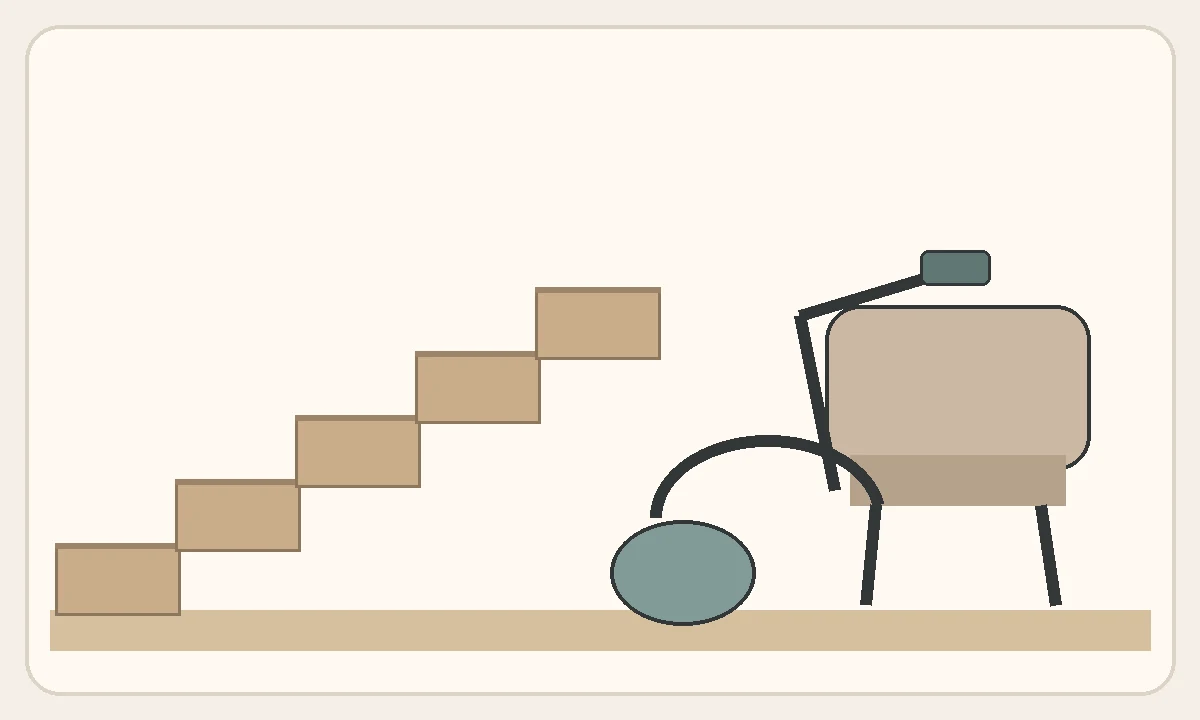
A robot vacuum is strongest when you want frequent, automatic floor upkeep; a traditional upright, stick, or canister vacuum is more flexible for stairs, upholstery, spot messes, and cleaning exactly where you direct it. If you have stairs, thick rugs, or furniture to vacuum, keeping both is often practical. A robot may cover most routine work in a mostly hard-floor, single-level home, but check its limits against your rooms before relying on it as your only vacuum.
“Traditional vacuum” can mean several manual designs, and performance varies by model, floor head, attachments, and settings. This comparison focuses on the tasks each type can handle in a typical home, rather than claiming every robot or full-size vacuum performs alike.
Robot vacuum vs. traditional vacuum at a glance
| Household task | Robot vacuum | Traditional vacuum |
|---|---|---|
| Routine floor upkeep | Can run on a schedule with little hands-on effort after setup | Works when someone pushes or carries it through the area |
| Hard floors and low-pile rugs | Convenient for repeated passes; check rug edges, cords, and thresholds | Lets you choose the route and spend more time on a specific area |
| Thick or high-pile carpet | May struggle with clearance, brush resistance, or pickup; model and carpet matter | A suitable powered floor head may be a better fit for targeted cleaning |
| Stairs and upholstery | Does not climb stairs or clean furniture surfaces | Hose, wand, and handheld attachments can reach these areas |
| Large or sudden mess | Needs the floor prepared and a run started; not ideal for every spill | Can be brought to the mess and directed immediately |
| Effort and oversight | Less pushing, but requires floor clearing, setup, and regular maintenance | Requires manual work each time, with direct control over the pass |
| Storage and station | Small robot body, plus floor space for a dock; some docks are larger | Requires closet or utility space for the vacuum and accessories |
Where a robot vacuum fits best
A robot’s main advantage is that it can repeat basic floor cleaning on a schedule. This can help keep everyday dust, crumbs, and loose hair from building up between the times you do a more targeted clean. Its low profile may also reach beneath some beds, sofas, and cabinets that are awkward to get under with a full-size vacuum.
Automation still takes preparation. Clear cords, socks, toys, and other small objects from its route; check that it can cross your thresholds and move around rugs; and set up its dock and map according to the manual. Some homes need room-by-room scheduling or restricted areas. Brushes, filters, sensors, wheels, and bins still need routine attention even when the dock empties itself.
Where a traditional vacuum is more useful
A manual vacuum gives you control over where to clean and how long to spend on one spot. Depending on the model and attachments, it can handle stairs, upholstered furniture, car interiors, edges, and sudden messes—jobs a floor-only robot cannot do. Upright, canister, and stick designs differ, so check the exact floor head, hose, and tools rather than assuming every model covers the same tasks.
Carpet performance also varies. A suitable powered brush head can be useful for carpet, but results depend on the vacuum, pile, debris, and settings. A robot may be convenient on low-pile rugs and hard floors yet have trouble navigating or cleaning certain thick rugs. Check the robot maker’s floor guidance and the rug’s care instructions before scheduling it across delicate or high-pile surfaces.
Should you own one or both?
A robot may cover most routine cleaning when…
- Your home is mostly one level and has open floor paths.
- Hard floors or compatible low-pile rugs make up most of the area you want to maintain.
- You value frequent scheduled cleaning and are willing to prepare the floor and maintain the robot.
- You already have another way to clean stairs, upholstery, and occasional larger messes, or those needs are limited.
A traditional vacuum should remain in the plan when…
- You need to clean stairs, furniture, corners, vehicles, or other above-floor areas.
- Your home has thick rugs or carpet where the robot’s clearance or pickup is uncertain.
- You want to respond quickly to a localized mess or direct extra passes at a specific spot.
- Floor clutter would make robot runs unreliable or require too much daily preparation.
Using both can make sense when…
You want the robot to handle repeated surface upkeep and a manual vacuum for periodic targeted cleaning. This is a division of tasks, not a guarantee that either machine will remove every kind of embedded soil. If you need a deeper carpet-cleaning treatment, follow the carpet maker’s guidance and choose equipment intended for that job.
Questions to check before choosing
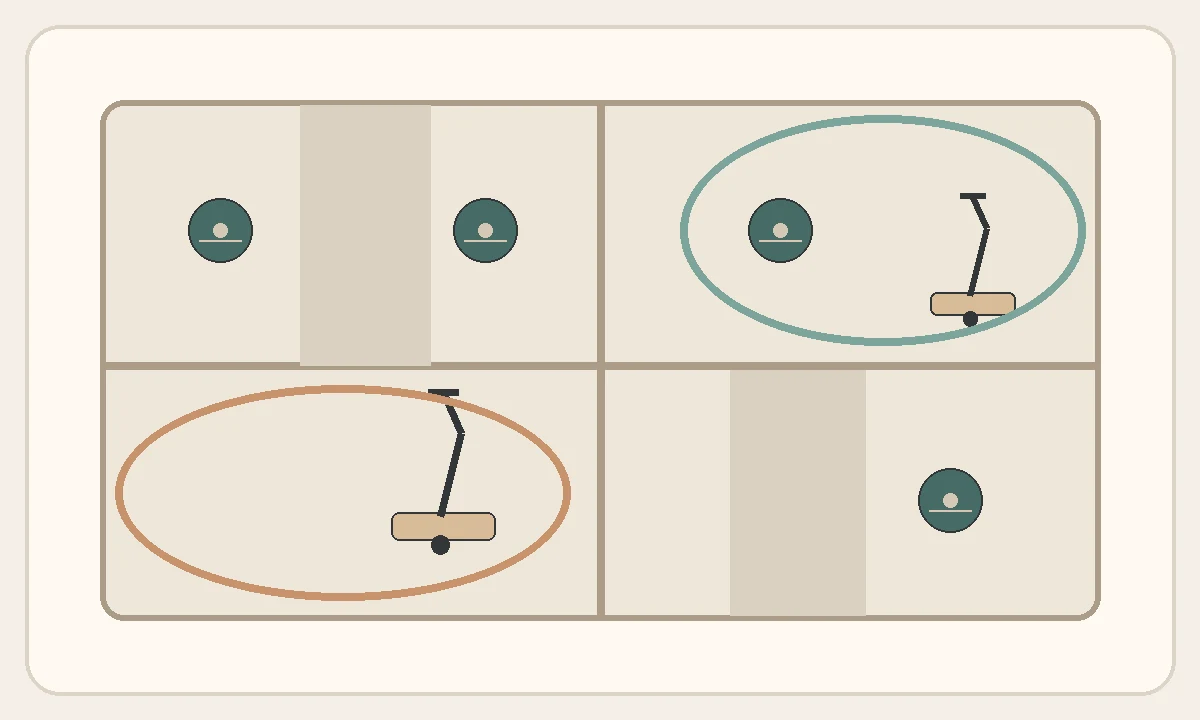
- What surfaces do you clean most? List hard floors, area rugs, and carpet, including any thick or delicate rugs.
- Do you have stairs or upholstered furniture? If so, plan for a manual vacuum or another appropriate tool even if you add a robot.
- How much floor preparation is realistic? Consider cords, toys, loose mats, pet bowls, and furniture clearances.
- Do you need immediate spot cleaning? A manual vacuum is easier to direct to a sudden mess.
- What routine maintenance will you keep up with? Robots need their brushes, filters, sensors, and dock cared for; manual machines also need their bins or bags, filters, and heads maintained.
- Where will each device live? Include dock clearance, charging access, and storage for attachments.
For more context on deciding whether a robot fits your household at all, see our guide to whether robot vacuums are worth it. For robot-specific upkeep and symptoms, use our robot vacuum troubleshooting guide. A separate lifespan guide is in progress and will be linked after it is available to readers.
The takeaway
Choose a robot vacuum for repeated, hands-off floor upkeep when your layout and surfaces suit it. Choose a traditional vacuum when you need control, attachments, stairs, upholstery, or quick targeted cleaning. Many households can use both for different jobs; if you want only one, start with the tasks your home cannot do without and confirm that the specific model can handle them.
Product capabilities vary by model and home. Check manufacturer manuals and floor-care instructions before use. This guide compares general vacuum types and does not report hands-on tests.

Ethan Miller
Ethan Miller writes about home improvement, interior design, cleaning, and everyday living at Home & Living Daily. He shares practical tips and simple ideas to help readers create more comfortable and functional homes.