The most effective way to remodel a bathroom on a budget is to retain what is sound and useful, simplify what must be replaced, and spend first on the work that prevents another repair. A new mirror or painted vanity can improve a tired room. It cannot solve a leaking shower or a soft floor.
Decide whether you need a cosmetic update or construction before shopping. The savings come from choosing a smaller, coherent scope, not from asking an incomplete budget to cover a full renovation.
Sort the existing room into retain, repair, and replace
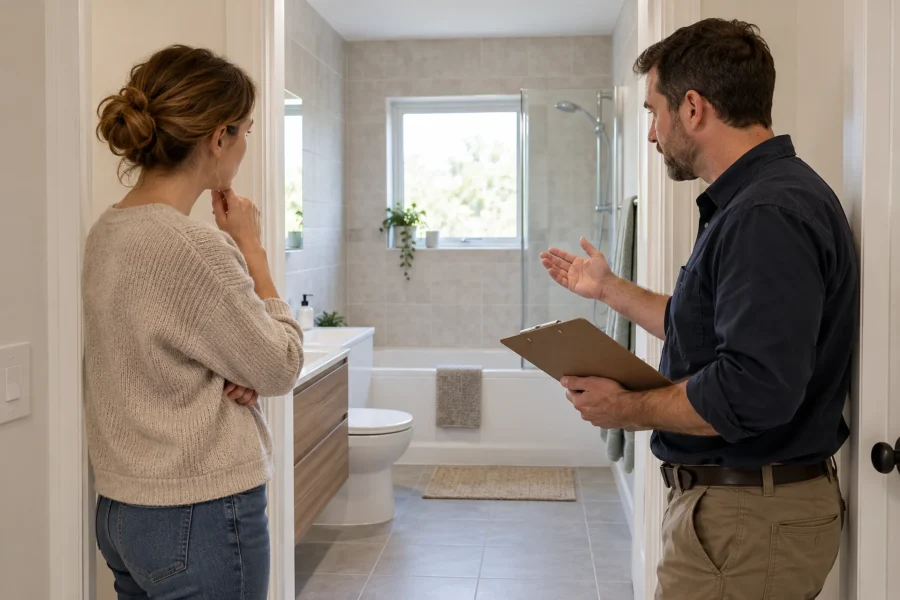
Walk through an ordinary morning in the bathroom. Identify the actual frustrations: poor storage, awkward cabinet doors, weak lighting, a difficult bathing entry, or failing surfaces. Then separate those problems from finishes you simply no longer like.
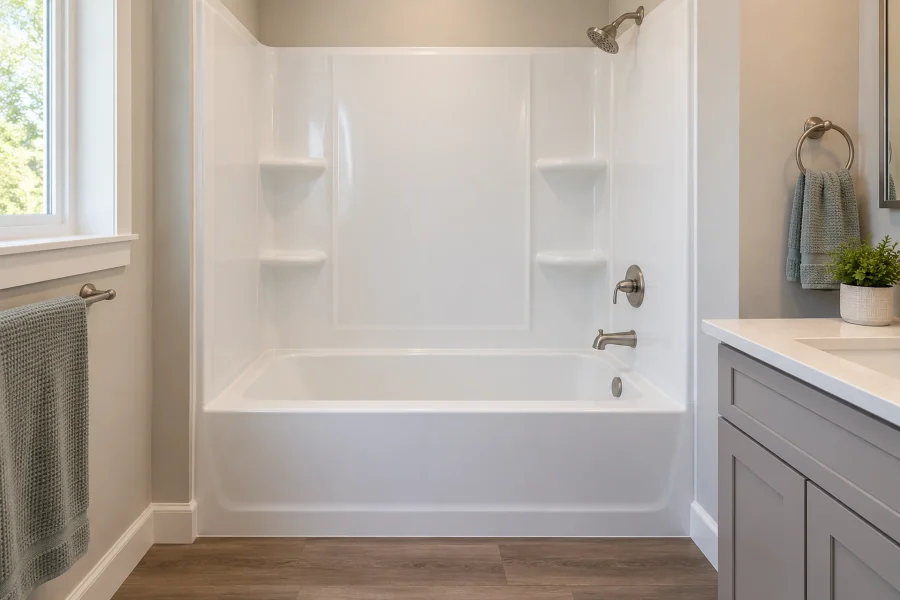
A sound vanity with suitable storage may be worth repainting. A cabinet with swelling, a poor layout, or too little plumbing space is a less promising candidate. Similarly, keeping a comfortable, serviceable tub can save work, but retaining a damaged bathing area just to fund decorative tile reverses the priorities.
Make the decision before surrounding retained fixtures with new materials. Replacing the tub later may disturb the new flooring, wall finish, or trim. A cheap first phase becomes expensive if it creates demolition in the second.
Choose savings that do not depend on hiding a problem
Keep useful fixture positions
If the current arrangement works, ask for a proposal that retains the toilet, sink, and bathing locations. Moving them can add trade and repair work. Keeping them is not automatically the right choice, though: a layout that blocks access or fails the household’s needs may deserve a targeted change.
Refresh a suitable cabinet and check hardware fit
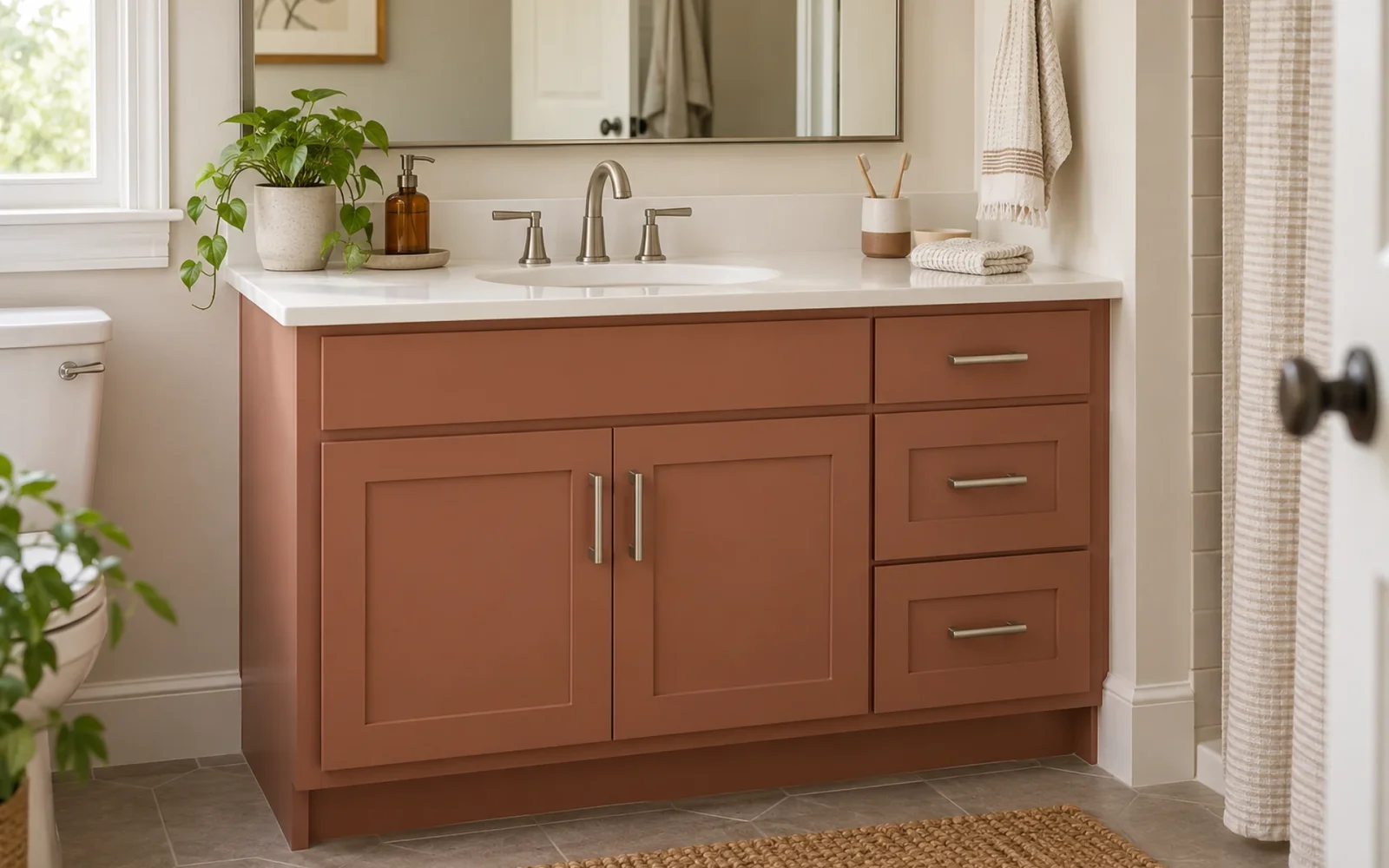
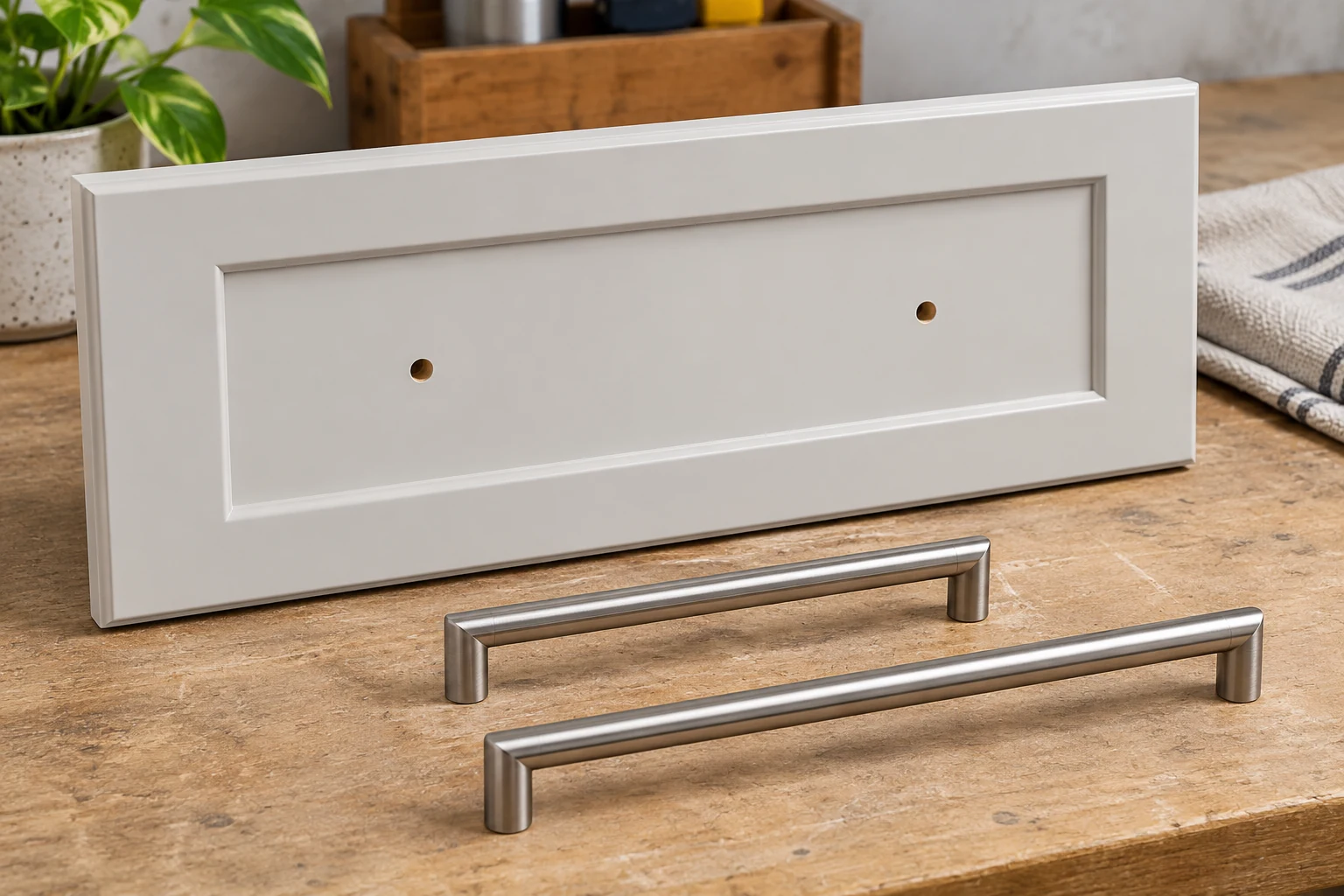
For a sound cabinet, a finish change and new pulls can update the room without replacing the top and plumbing. Follow the coating manufacturer’s preparation and cure requirements for the existing finish. Include the time and materials needed for preparation rather than budgeting only for paint.
Measure the existing pull-hole spacing before choosing hardware. A replacement that uses the same holes avoids filling, drilling, and refinishing visible areas. Check that the new pulls and hinges work with the door and drawer movement.
Use a simpler finish across a smaller area
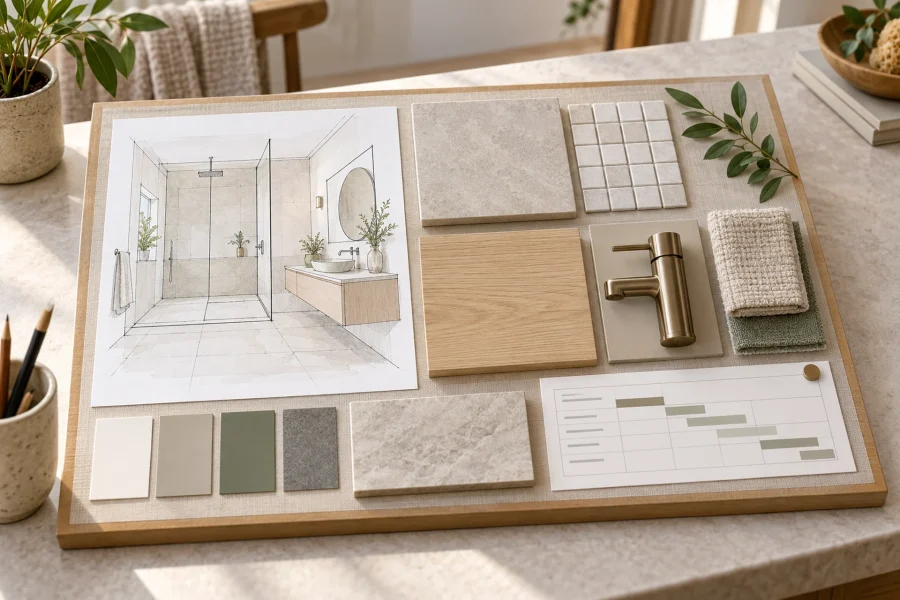
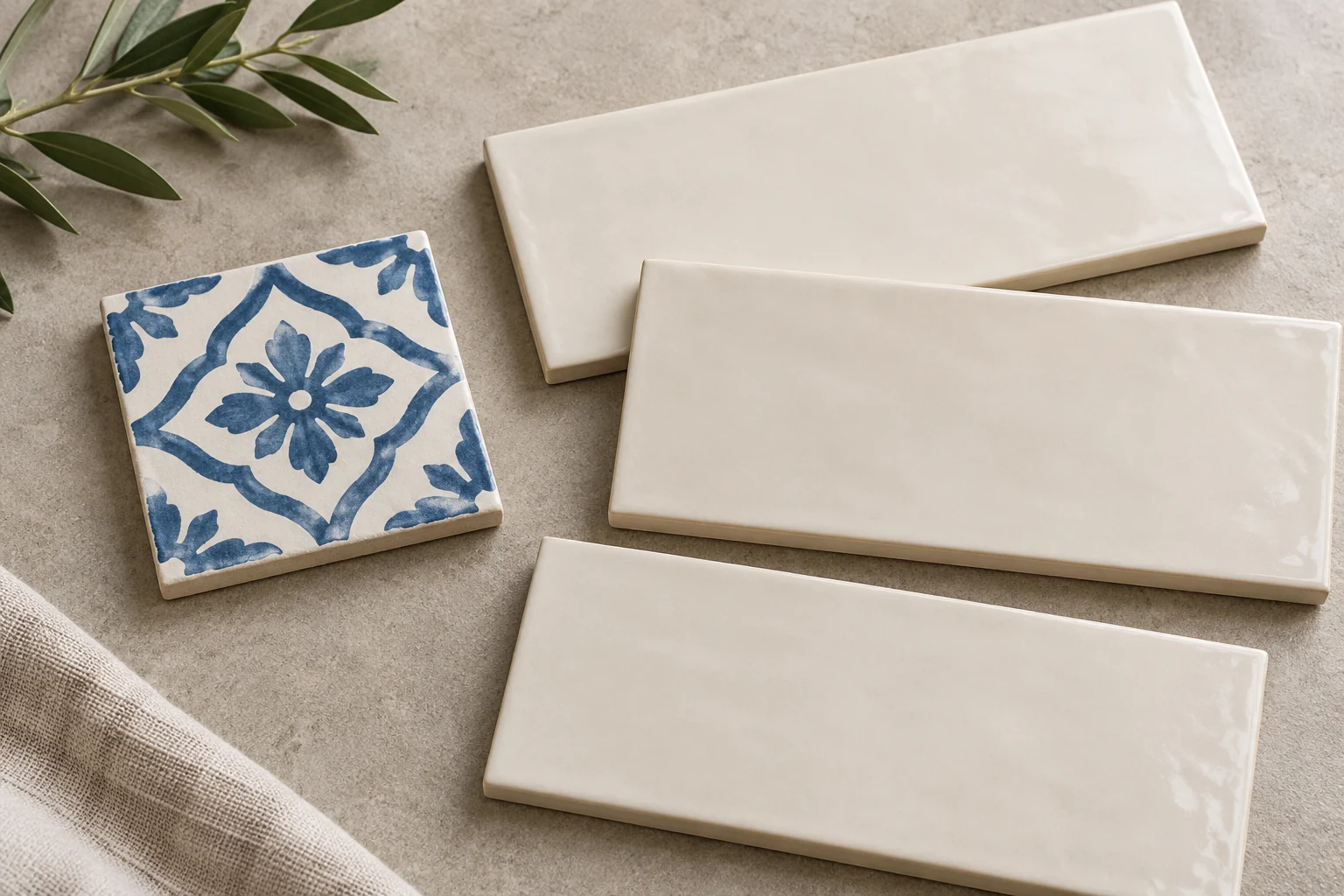
Plain field tile with straightforward edges can suit a restrained budget. Request installed prices for the actual pattern and surface condition; the lowest tile shelf price does not necessarily produce the lowest installation total. Niches, numerous cuts, and decorative layouts add decisions as well as work.
Limit a costly accent to a small, deliberate location if it matters to you. In a dry area, paint may provide the color you want without adding more tile. Do not substitute a decorative adhesive covering for the water-management assembly inside a shower.
Keep the hidden essentials in the scope
Substrate repairs, plumbing corrections, appropriate electrical work, ventilation, and wet-area waterproofing should not disappear to make a total look affordable. Ask for a simpler finish over the correct assembly.
When comparing tiled shower options, our tile shower cost guide separates tile-setting from demolition, preparation, and a new shower assembly. That distinction helps identify a genuine scope saving rather than a missing line item.
A curtain may cost less than custom glass where the bathing design accommodates one. A suitable stock vanity may avoid custom fabrication. Neither is universally preferable; compare fit, cleaning, water containment, and total installation cost before deciding.
Shop the complete purchase, not the discount
Include tax, shipping, delivery access, missing components, installation, and return charges. A clearance vanity is only a saving if the top, sink, and plumbing arrangement suit the room. Check damaged-packaging exclusions and who handles a faulty owner-supplied item.
Use exact model numbers when comparing prices. Similar-looking faucets or enclosures can have different included parts. Confirm availability before scheduling work around a bargain that has not arrived.
Leave a useful room after each phase
If the bathroom is sound, a first phase might address storage, lighting, paint, and worn accessories while you save for a larger change. Set a limit for temporary improvements that would be removed later. If the wet area is failing, direct the funds to that repair and defer cosmetic upgrades elsewhere.
A successful budget project solves the most important problem without creating another one. Keep the decisions small enough to fund completely, and judge each upgrade by how well it fits the bathroom you intend to keep.

Ethan Miller
Ethan Miller writes about home improvement, interior design, cleaning, and everyday living at Home & Living Daily. He shares practical tips and simple ideas to help readers create more comfortable and functional homes.