You do not need advanced tools or a full-room renovation to make a home feel more personal. These DIY home decor ideas focus on small projects you can finish with basic supplies: frame fabric or your own art, update a thrifted accent piece, sew or use no-sew textiles, and add a simple handmade detail where a room feels unfinished.
Start with one item you already own and one problem you want to solve. A bare wall may need color; a plain pillow may need texture; a cluttered entry may need a better landing spot. Choose a project that fits your skill level and your lease, then test the idea before committing to the whole room.
12 DIY Home Decor Ideas for Beginners
Skill levels below are relative: “easy” means little or no cutting and straightforward assembly; “intermediate” involves more measuring, finishing, or tool use. Materials and surfaces vary, so follow product labels and test finishes in an inconspicuous area first.
1. Frame fabric, wallpaper samples, or your own artwork
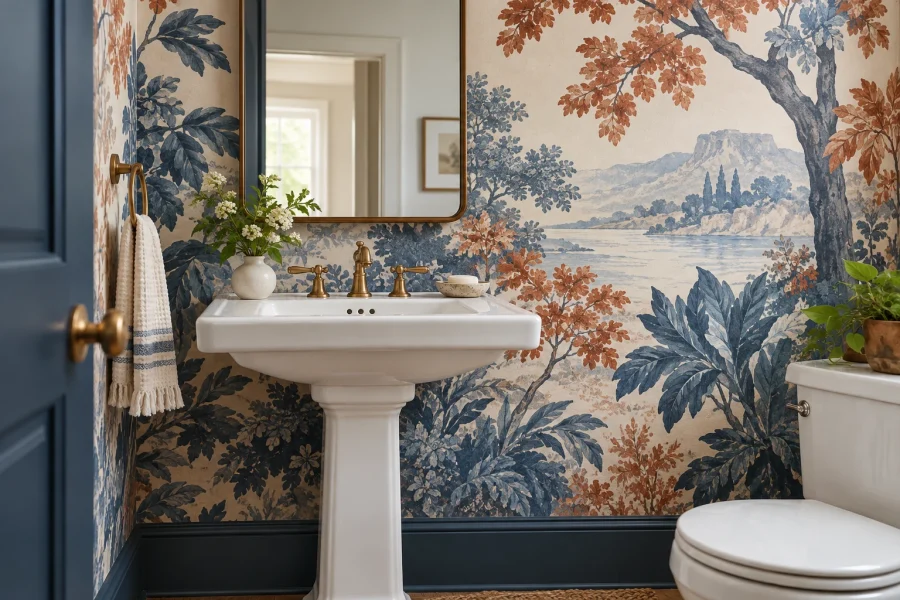
Skill: Easy. You need: A frame, backing board, scissors or craft knife, and fabric or paper. Try it: Cut a favorite textile or a large wallpaper sample to fit a frame. Use a mat if the pattern feels busy, then hang one piece or group several frames as a single gallery. This gives an expressive pattern a clear boundary and is easy to change later. Keep sharp tools away from children and cut on a protected surface.
2. Make a simple abstract canvas
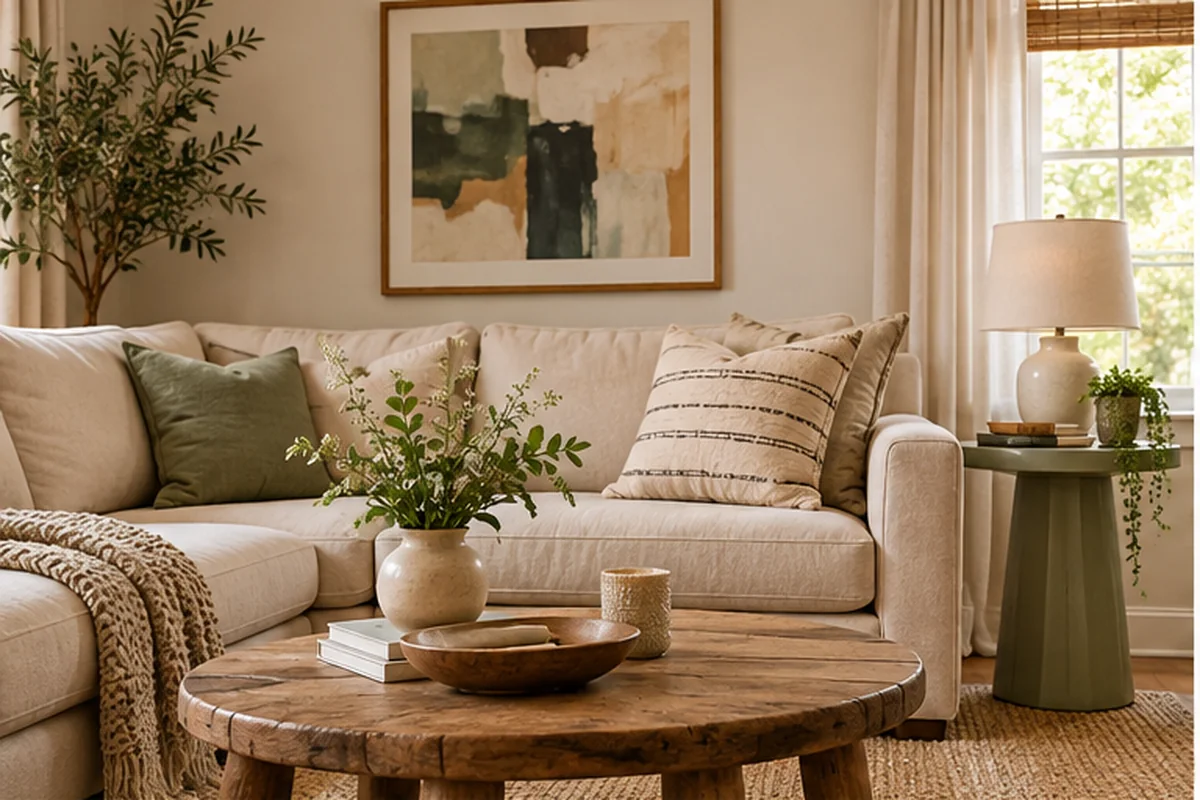
Skill: Easy. You need: Canvas or heavy paper, acrylic paint, brushes, and painter’s tape if desired. Try it: Choose two or three colors already present in the room and make broad shapes rather than trying to copy a specific artist. Step back between layers; leave some open space so the piece can breathe. Let it dry fully before framing or hanging, and avoid placing unsealed work where it may get wet.
3. Refresh a lampshade with a removable trim
Skill: Easy. You need: A plain lampshade, ribbon or trim, and an adhesive suitable for the shade material. Try it: Measure the top or bottom edge, cut trim with a small overlap, and attach it evenly. Keep trim away from the bulb and socket, preserve the shade’s ventilation, and follow the lamp maker’s maximum bulb wattage and clearance instructions. If the shade runs hot or the adhesive is not rated for the material, choose a different project.
4. Paint a small accent shape or color block
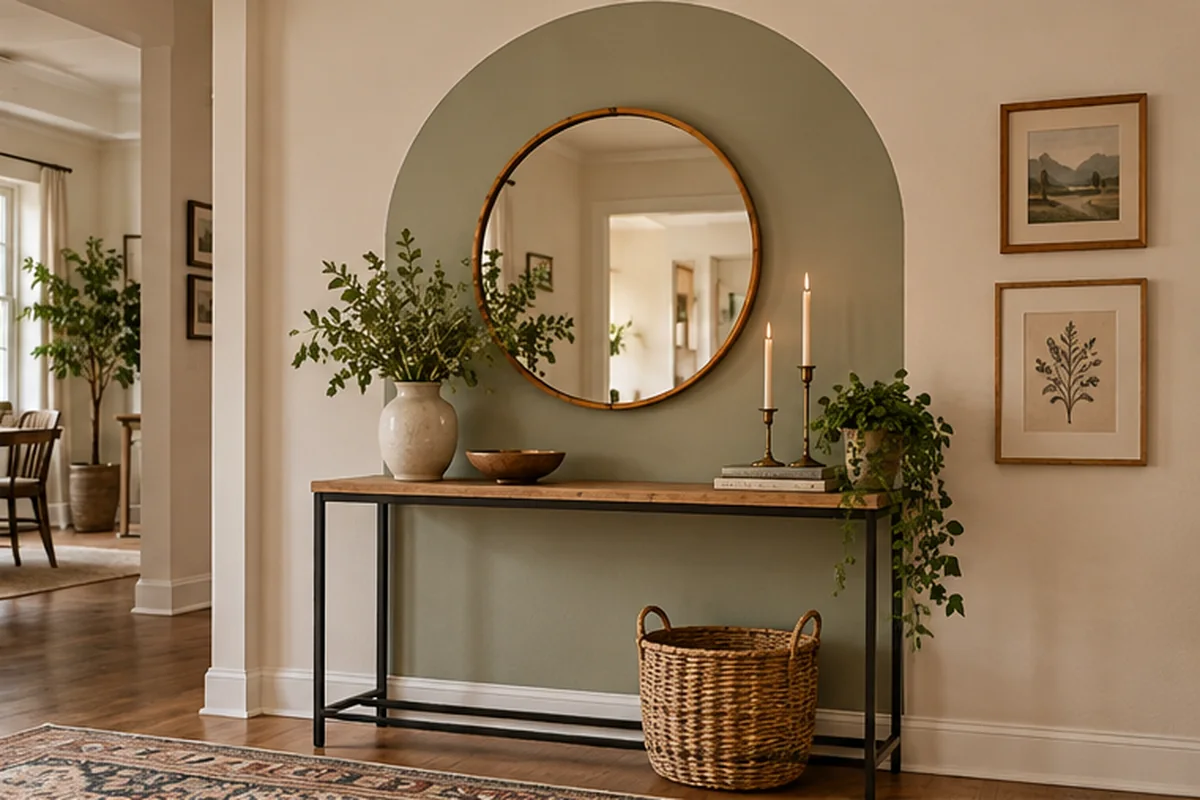
Skill: Easy to intermediate. You need: Interior paint, painter’s tape, a level, drop cloth, and a suitable brush or roller. Try it: Sketch a simple arch, block, or border on paper first. Mark the outline with a level and tape, test the paint color on a sample, and check it in daylight and at night. Use the coating and surface preparation recommended on the paint label. In a rental, get written permission before painting.
5. Turn an old frame into a pinboard
Skill: Easy. You need: A sturdy frame, cork sheet or pinboard, backing, and appropriate mounting hardware. Try it: Replace the frame’s glass with a cut-to-fit cork panel. Cover the cork with fabric if you want a softer finish, securing it on the back. Hang only with hardware suited to the frame’s weight and wall type; use it for light notes and photos, not heavy objects.
6. Make a no-sew pillow cover
Skill: Easy. You need: Fabric, an existing pillow insert, fabric scissors, and iron-on hemming tape or fabric adhesive. Try it: Measure the insert and cut fabric with enough allowance to wrap and close it according to the product directions. A simple envelope-style back avoids a zipper. Check that the finished cover can be removed for washing, and choose fabric and adhesive that tolerate the cleaning method you plan to use.
7. Add a hand-painted detail to a plain planter
Skill: Easy. You need: A clean ceramic or terracotta planter, suitable paint, and a brush or stencil. Try it: Add a stripe, small repeating marks, or a painted rim. Keep drainage holes open and use a coating appropriate for the planter material. If it will hold a live plant, place a waterproof saucer beneath it and do not let paint contact edible plants or soil unless the product is rated for that use.
8. Give a thrifted side table a careful paint refresh
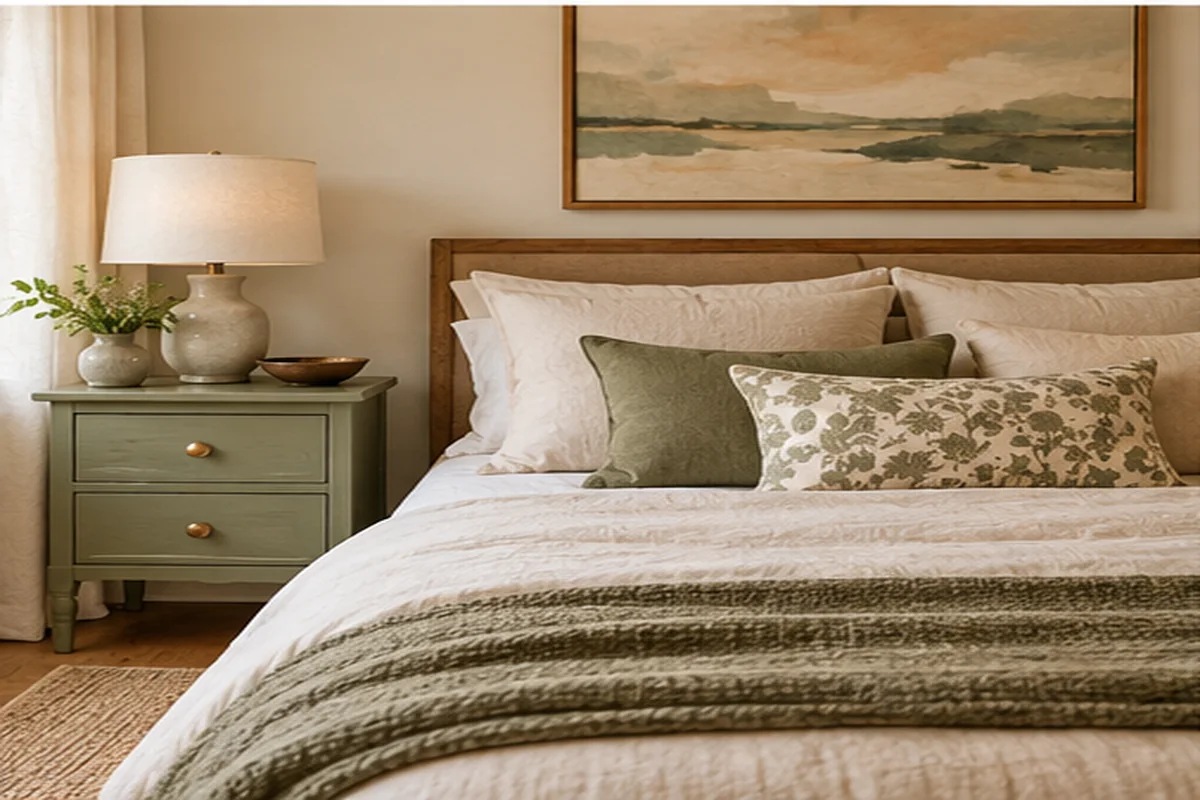
Skill: Intermediate. You need: A stable table, cleaner, sandpaper or deglosser as directed, primer if required, paint, and a compatible clear finish if needed. Try it: Check that the table is structurally sound before painting. Clean it, prepare the surface following the coating manufacturer’s instructions, and apply thin coats with adequate drying time. Work with ventilation and protective equipment specified on the product label. Avoid sanding old painted furniture until you know what the coating is and can use appropriate lead-safe precautions.
9. Replace cabinet knobs or drawer pulls
Skill: Easy. You need: New hardware, a screwdriver, and a ruler or template. Try it: Measure the distance between existing screw holes before buying. If the new hardware uses a different spacing, fill and refinish the old holes only if you are comfortable matching the surface; otherwise choose a same-spacing replacement. Tighten by hand and check that drawers still open smoothly. Renters should retain the original hardware and confirm permission first.
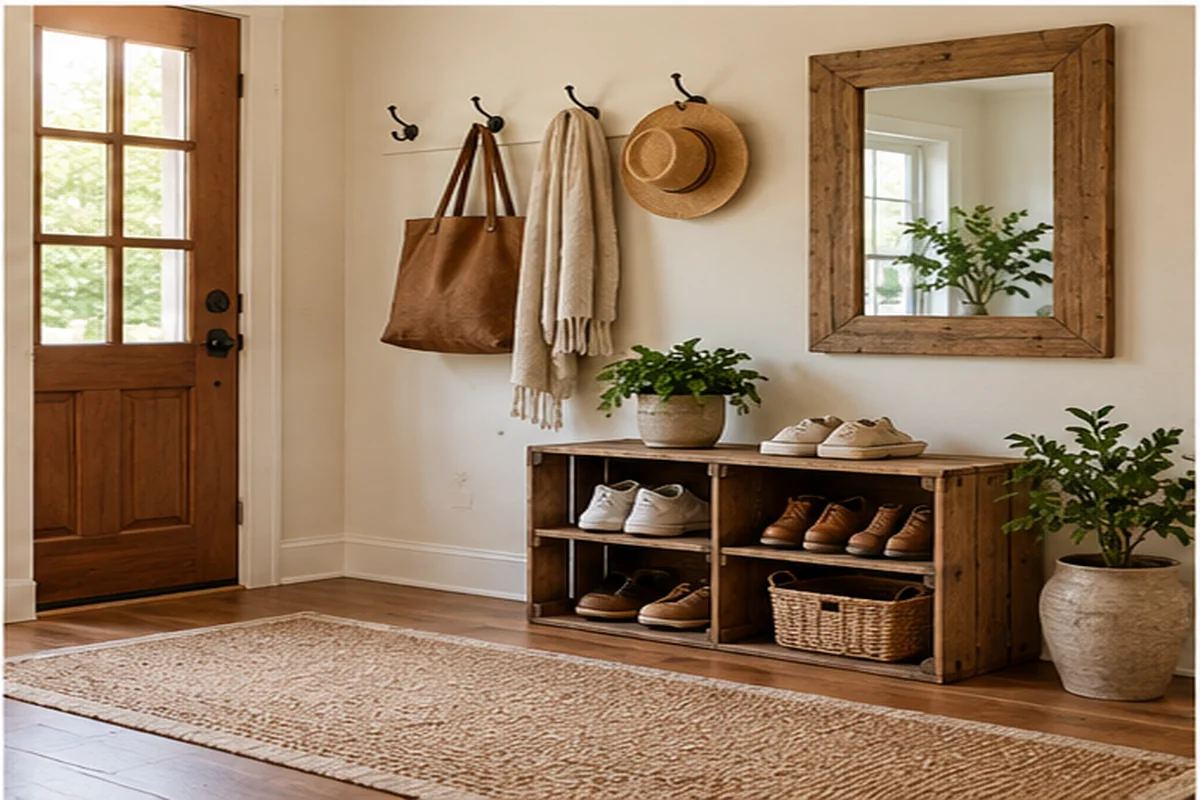
10. Create a simple entryway drop zone
Skill: Easy. You need: A tray or bowl, freestanding basket, and optional hook rail. Try it: Give keys, mail, and shoes one designated place using pieces you already own. If you add a wall rail, use anchors and fasteners rated for the wall and expected load. Mark the footprint with painter’s tape and test the door swing and walkway before installing anything.
11. Style a bookshelf with handmade bookends
Skill: Easy. You need: Two stable objects such as finished wood blocks or clean, weighty decorative pieces, plus a non-slip pad if needed. Try it: Arrange books in small groups and use a pair of bookends to keep them upright. You can paint wood blocks to coordinate with the shelf, letting them cure fully before use. Avoid objects with sharp edges or unstable shapes, especially on shelves accessible to children or pets.
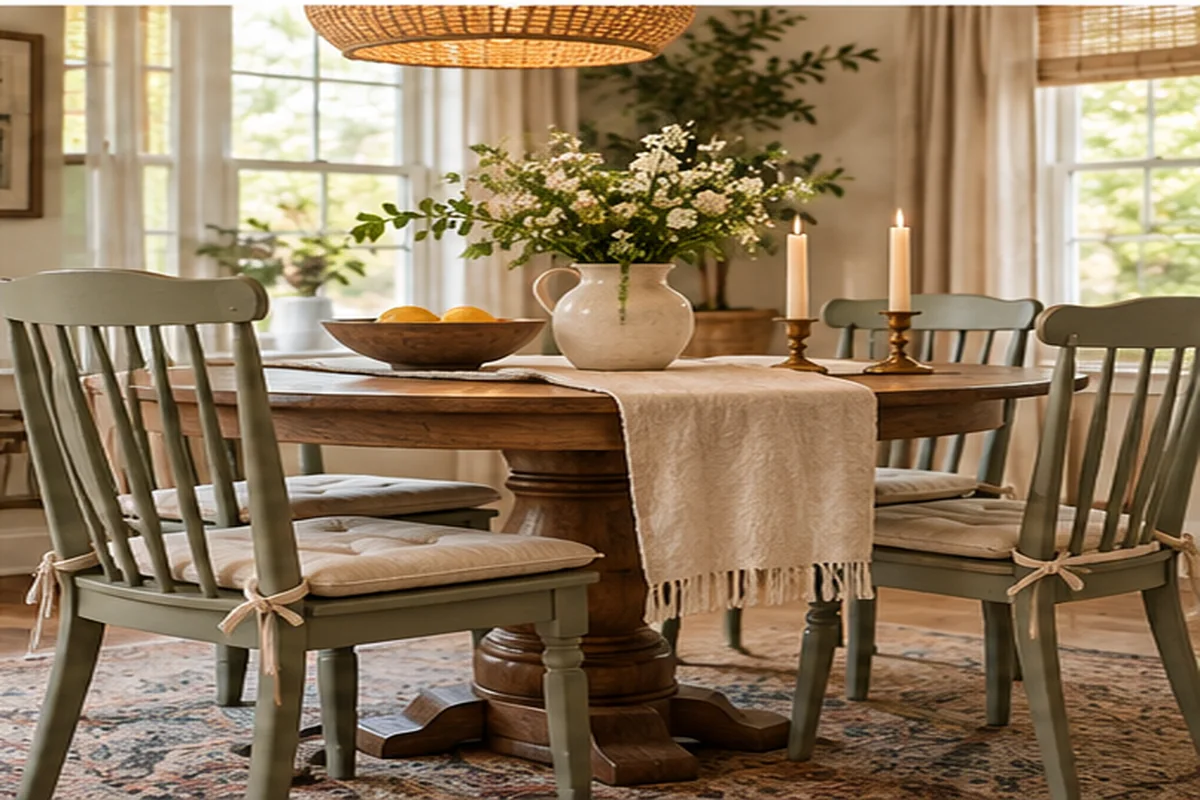
12. Make a fabric runner or centerpiece for the dining table
Skill: Easy. You need: Washable fabric, scissors, and optional hemming tape. Try it: Cut fabric to a length that leaves table edges and place settings clear. Finish the edges according to the fabric and tape directions. Pair it with a low bowl or vase, and keep fabric, dried botanicals, and decorations well away from candles, hot cookware, and food prep. Use a washable finish if the table is used daily.
How to Make a DIY Project Look Finished
- Repeat something already in the room. Pick a color, material, or shape from a rug, artwork, or furniture piece. Repeating one detail helps a new object feel connected.
- Choose the right scale. A tiny frame may disappear above a wide sofa; one large piece or a balanced group can read more clearly. Mock up the size with paper before drilling.
- Prepare the surface. Dirt, grease, loose paint, and shiny finishes can interfere with adhesion. Follow the paint, glue, or fabric product instructions instead of skipping prep.
- Use fewer materials with intention. Two coordinated finishes often feel more considered than many unrelated colors and patterns.
- Let finishes cure before use. “Dry to the touch” does not always mean ready for handling, washing, or placing objects on top. Check the manufacturer’s full cure guidance.
If you are deciding how an updated piece fits the wider room, our home decor ideas guide covers room-level planning, layout, and choosing what to change first.
Renter-Friendly DIY Home Decor Considerations
Start with reversible projects such as framed fabric, removable textiles, freestanding decor, and furniture you own. Read your lease before painting, replacing hardware, or making holes. Removable hooks and adhesive products have surface, humidity, and weight limits; follow the label and test in a discreet spot when the manufacturer recommends it. Never treat adhesive strips as universal support for heavy mirrors, shelves, or anything mounted overhead.
For any hanging project, identify the wall type and select hardware rated for the load. Keep cords and decor out of walkways, away from heat sources, and clear of outlets, vents, and appliance openings. For projects involving electrical wiring, plumbing, structural changes, or uncertain old coatings, choose a non-invasive decor alternative or consult a qualified professional.
Choose Your First Project
Take a photo of the room and circle one spot that feels unfinished. Decide whether the issue is color, texture, lighting, or storage. Then:
- Choose the simplest project that addresses that issue.
- Mock up size and placement with paper, tape, or a temporary arrangement.
- Gather the materials and read their instructions before starting.
- Finish one project, live with it for a few days, and only then decide what comes next.
The best DIY home decor idea is one you can complete safely, maintain easily, and enjoy seeing in your everyday routine. A small, well-finished change can do more for a room than a pile of unfinished crafts.
Sources and Further Reading

Ethan Miller
Ethan Miller writes about home improvement, interior design, cleaning, and everyday living at Home & Living Daily. He shares practical tips and simple ideas to help readers create more comfortable and functional homes.