Hire a smart home installer when the job needs building work, dependable coverage across several rooms, coordination between systems, or troubleshooting you cannot reasonably maintain yourself. A few accessible plug-in devices may be a manageable DIY project. Concealed cabling, fixed electrical controls, and a household relying on several integrated systems deserve a more deliberate scope and the right specialists.
The useful question is what professional help should deliver. Paying someone to mount devices is different from paying for network design, integration, testing, and a system you can confidently operate afterward.
Identify the part of the project that needs help
You do not have to outsource everything. A homeowner might pair lamps while commissioning a network assessment, or have the wiring prepared professionally before adding devices in stages.
| Situation | Useful professional scope |
|---|---|
| New cables through finished walls or during a remodel | Route planning, appropriate installation, labeling, testing, and coordination with other trades |
| Several rooms with unreliable connections | Investigation of coverage, device requirements, network configuration, and the failed control path |
| Lighting, shades, locks, and media under shared controls | Compatibility design, programming, usable physical controls, and commissioning |
| Fixed wiring, altered supplies, or questionable electrical conditions | A properly qualified electrical professional for that work |
| Devices work, but the household cannot operate them comfortably | Simplified controls, naming, scenes, and training rather than automatically more hardware |
Device count alone is a poor threshold. Two incompatible products can create more integration work than a larger set designed to operate together. Equally, a weak connection at an outbuilding does not establish that the whole house needs replacing.
If the project coincides with construction, involve the relevant specialists before routes and finishes are fixed. Our smart-home wiring planning guide explains which locations and infrastructure decisions are difficult to change later.
Give candidates a brief built around household tasks
Describe a few things the finished installation must accomplish. For example: lights should work from an obvious wall control; a camera recording should be retrievable away from home; shades should remain operable by someone who has no app.
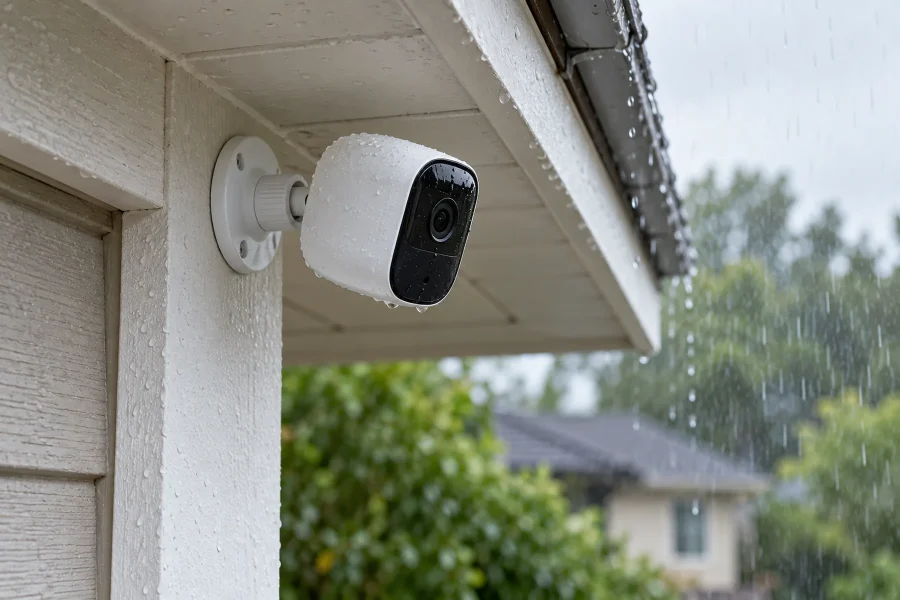
List existing models, platforms, account ownership, troublesome locations, and any equipment you hope to keep. Explain what happens when the problem occurs. “The driveway camera goes offline after rain” is a more useful starting point than “the Wi-Fi is bad.” Avoid diagnosing the cause before it has been investigated.
Identify essential behavior during a broadband outage or controller failure. An installer cannot design a useful fallback from the vague request that everything “just works.” Nor should the project quietly expand to professional monitoring if what you need is a better recording arrangement.
Ask for an assessment when the solution is still uncertain. Establish the fee and deliverables for that assessment, and whether its findings can be used with another contractor. A paid design stage can be worthwhile without committing you to every proposed device.
Match experience to the work being purchased
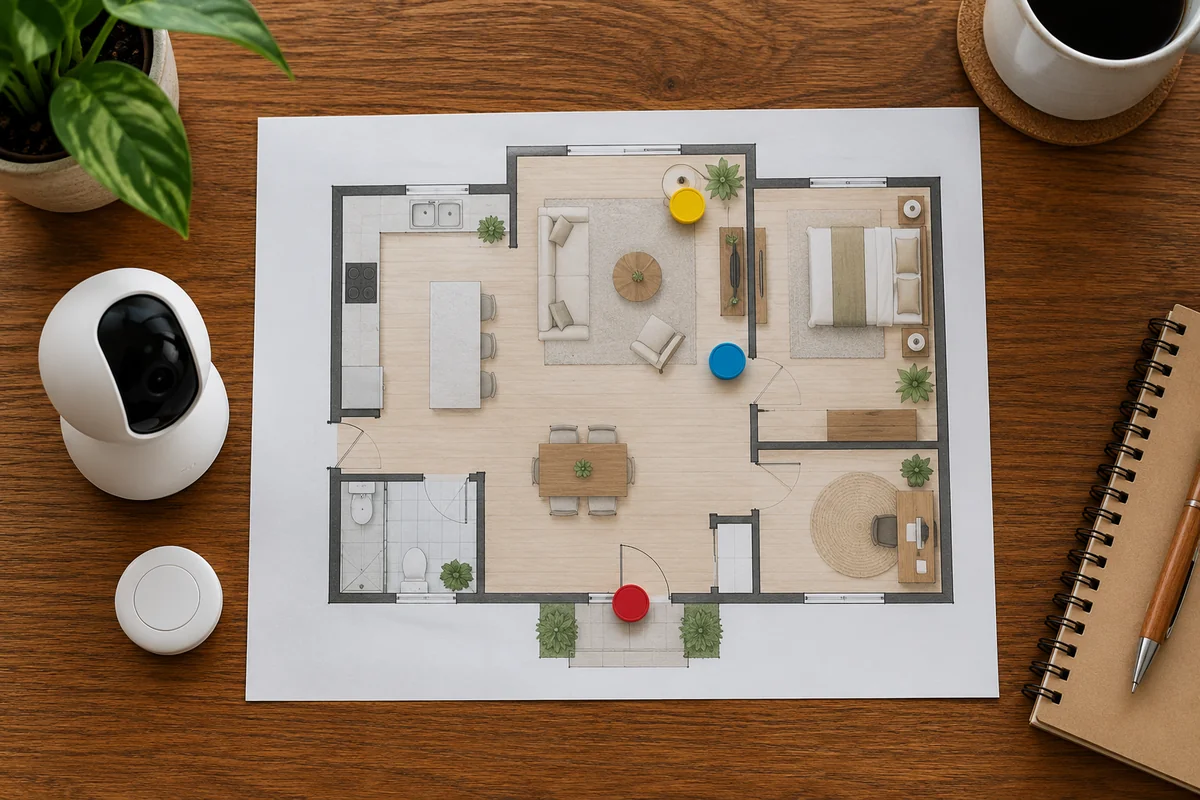
Ask who will actually attend, which systems they regularly configure, and whether they have completed comparable work in a similar property. Speak to references about operation after handover, not only how tidy the installation looked.
CEDIA's questions for a smart-home installer distinguish company membership from individual certifications and recommend asking which credentials the team holds. A credential can help you investigate expertise; it does not replace checking the applicable trade licensing, insurance, and permissions for your property's work.
Be specific about boundaries. Who handles mains electrical work? Who makes good openings? Who supplies the network equipment? If several contractors are involved, name the person responsible for resolving an interface problem rather than leaving each trade to say its own component is working.
Compare written proposals on the same basis
Request named equipment and clear quantities, with design, installation, programming, testing, and household instruction identified separately. Check what is excluded: cable routes, access equipment, subscriptions, electrical alterations, decorative repairs, and return visits can change the comparison.
Ask whether your existing equipment will be reused, replaced, or excluded from support. A proposal for a supported unified system and a proposal to connect an assortment of older products do not promise the same result.
Specify account ownership before setup. The household should control its owner accounts, recovery routes, and necessary administrator credentials. An installer can receive appropriate delegated access where the service supports it. A personal installer login should not become the only way to manage a camera or recover the home.
For ongoing support, ask what the fee covers, how requests are made, expected availability, remote-access permissions, and the cost of work outside the agreement. Separate equipment warranties from support for configuration changes or a third-party service outage.
Agree on acceptance tests before installation
A commissioning visit should demonstrate the household tasks in the brief. Use the actual phones, normal controls, and important device locations. Useful checks include:
- Operate a room without the installer's phone or personal account.
- Retrieve and export a saved camera event through the agreed access route.
- Run an automation from its real sensor location, including its off condition.
- Show the documented behavior when an agreed nonessential service is unavailable.
- Explain how to recover access, identify a failed component, and request help.
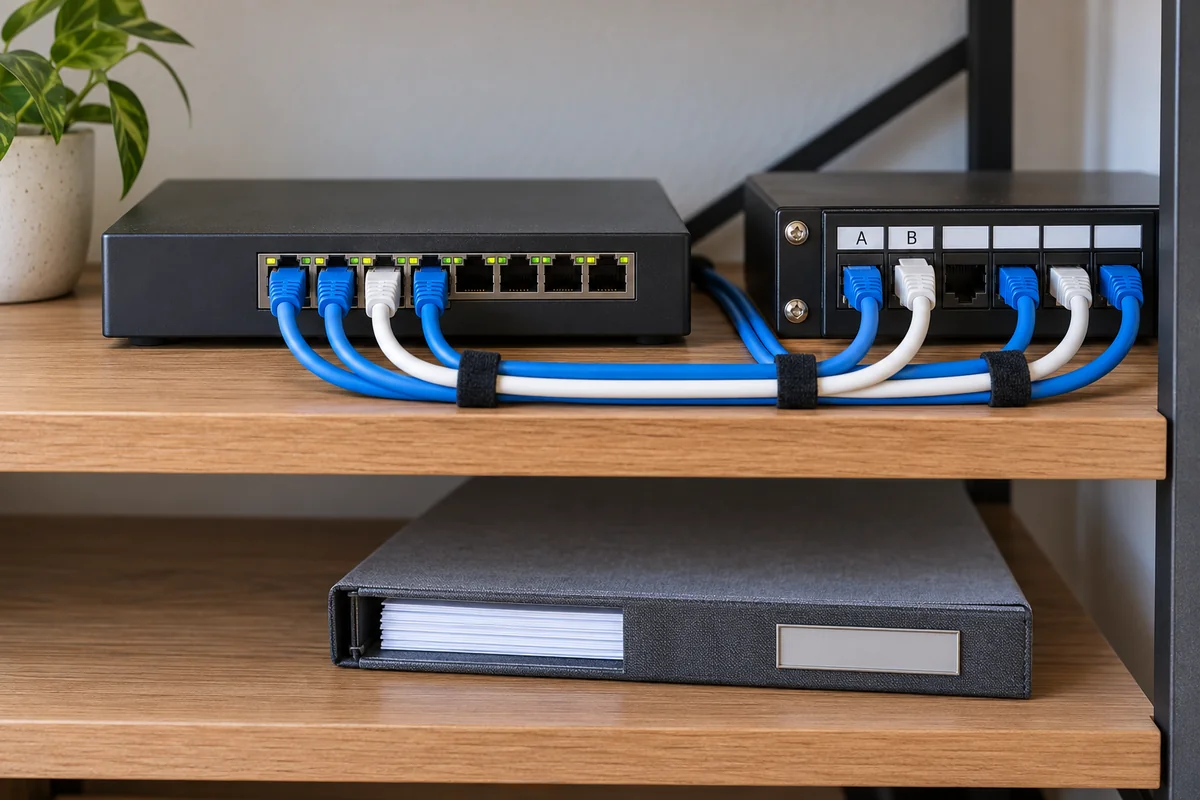
Obtain the equipment list, relevant drawings, labels, test records, configuration backups where available, and a short guide to everyday operation. Record outstanding items and who will close them. A familiar-looking dashboard is not a substitute for those deliverables.
Conclusion
Hire help for a defined result you cannot safely or reliably deliver alone. Favor the proposal that explains dependencies, ownership, testing, and aftercare clearly enough that you can judge completion. The installation is successful when the household can use and maintain it after the technician leaves.

Ethan Miller
Ethan Miller writes about home improvement, interior design, cleaning, and everyday living at Home & Living Daily. He shares practical tips and simple ideas to help readers create more comfortable and functional homes.