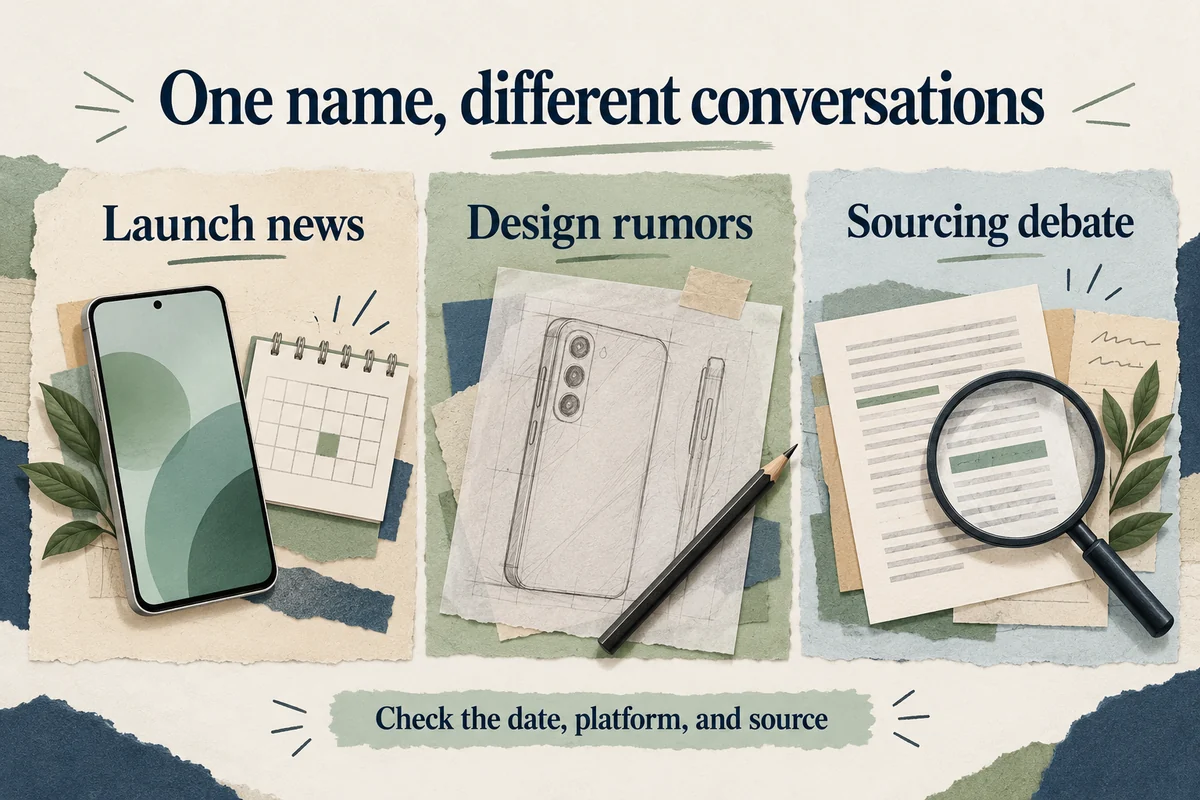
Discussion of “iPhone 18” combines several stories: the launch of the Pro models, uncertainty about the standard model, pictures and rumors about new designs, and social-media criticism of Apple’s supply chain. Which story prompted a trend depends on the date, country, and platform. There is no verified single cause that explains every post or search using the name.
For someone arriving from a headline or a social feed, the useful first step is to identify which conversation it belongs to. Product news, a campaign allegation, and an unofficial render require different kinds of evidence.
The launch news behind the name
Apple announced iPhone 18 Pro and Pro Max on September 9, 2026. The launch introduced a variable-aperture main camera, A20 Pro, new finishes, and other changes that generated product coverage.
But “iPhone 18” is often used loosely in a headline. The standard model has not been announced as of October 21, 2026. Its expected timing is a different story from the Pro models already on sale.
That naming distinction explains some apparently conflicting coverage. “The iPhone 18 has launched” may be shorthand for the Pro family, while “iPhone 18 is still coming” may refer to the standard model. Read the full model name before treating those headlines as mutually exclusive. Our iPhone 18 release-date breakdown keeps those timelines separate.
Folding-phone and design posts can mix different products
Apple’s foldable is called iPhone Duo, according to its separate product announcement. A post using an older unofficial label such as “iPhone 18 Fold” can therefore blend a real product story with an outdated name.
Design images need a similar check. An official image of a Pro phone does not confirm the appearance of a standard iPhone 18. A concept image shows an artist’s or generator’s proposal; a dummy unit is a physical mockup. Neither becomes a final product photograph simply because many accounts repost it.
Look for the original image caption and publication date. A pre-announcement rumor can keep circulating after a different design or name has been confirmed. Its continued visibility is not fresh confirmation of the old claim.
Why boycott posts are part of the discussion
In September 2026, ABP reported on calls to boycott iPhone 18 connected to concerns about minerals and the Democratic Republic of Congo. The report described a Team Congo Instagram post and said Greta Thunberg had reshared it in an Instagram Story. It distinguished that reshare from a separate statement issued by Thunberg.
That is a different conversation from camera specifications or release dates. The report documents a campaign and the concerns campaigners raised; it does not, by itself, establish the origin of minerals in a particular phone or prove a supply-chain allegation.
Apple’s own description of its supply-chain checks says its assessments use third-party auditors, supplier-employee interviews, site reviews, and document checks, and that it investigates allegations. Those are Apple’s published descriptions of its program. They should be read as the company’s account, rather than treated as an independent finding about every material or a resolution of every criticism.
If a post makes a specific sourcing or legal claim, look for the underlying investigation, dated evidence, and the parties’ responses. Do not substitute a launch photograph, a component’s name, or the popularity of a hashtag for that evidence.
A trending label is not a sales figure or a verdict
Searches can come from people considering a purchase, checking a rumor, criticizing a company, or trying to understand a news story. A rise in attention does not tell you which of those motives dominates, and it does not establish customer satisfaction or sales.
Likewise, a trending panel can reflect a particular platform, location, or time window. Before repeating a claim that the phone is “trending everywhere,” check what was actually measured. A frequently shared screenshot without its date or geographic setting gives an incomplete picture.
This article identifies the different stories behind the phrase; it does not claim a live ranking or assign a percentage of interest to each one. For the specific post that brought you here, inspect its original date and source rather than assuming today’s discussion has the same trigger as last month’s.
How to check the claim you encountered
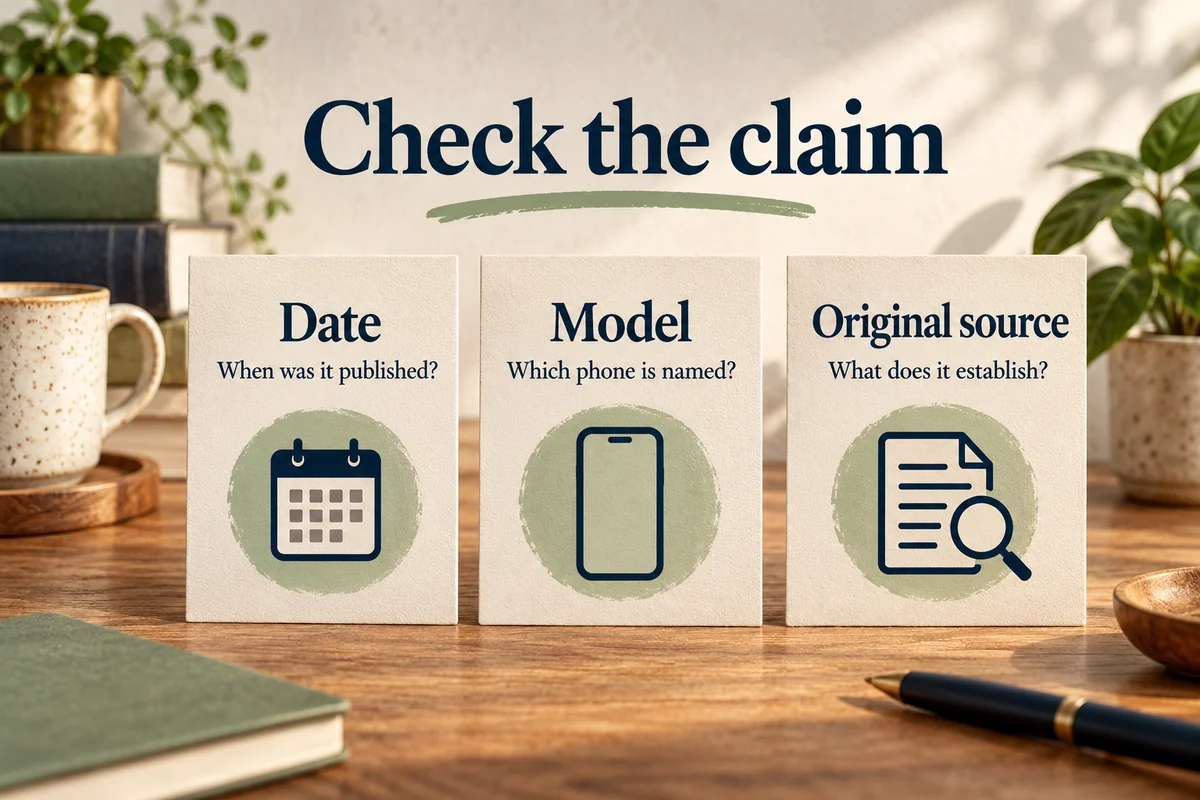
For a release or specification claim, start with the manufacturer’s page for the exact model. For a campaign claim, find the original statement and credible reporting about it. For a number, identify its measure: search interest, shipments, orders, and sales are different quantities.
Then read what the evidence actually establishes. An announcement can confirm a product feature; it cannot prove why a social-media audience is discussing it. A campaign can establish what participants are asking for; its reach alone cannot verify every allegation it repeats.
Conclusion
Treat “iPhone 18 is trending” as a prompt to identify the story, not as an explanation in itself. Model names, dates, and source types will usually tell you whether you are looking at confirmed product news, an older rumor, or a separate ethical debate. That is a firmer basis for understanding the attention than a single catch-all reason.

Ethan Miller
Ethan Miller writes about home improvement, interior design, cleaning, and everyday living at Home & Living Daily. He shares practical tips and simple ideas to help readers create more comfortable and functional homes.