The phrase palm tree has a literal meaning and a symbolic one. Literally, it refers to a tree-like member of the palm family, with fronds gathered at the top of a usually unbranched trunk. In language and culture, palms can suggest victory, peace, resilience, welcome, and a warm outdoor setting.
Where the name palm tree comes from
The word palm is linked to the Latin palma, meaning the palm of the hand. The name reflects the way many palm fronds spread like fingers from a central point. Botanically, palms belong to the family Arecaceae. “Tree” describes their familiar form, although palm species vary widely in size, trunk shape, and growth habit.
What palm trees commonly symbolize
Symbolism changes across cultures and settings, so no single meaning applies everywhere. Four associations appear often:
- Victory and welcome: palm branches have long been used in ceremonial processions and are strongly associated with Palm Sunday.
- Peace and paradise: palms can represent rest, refuge, and an idealized tropical landscape.
- Resilience: a palm’s flexible trunk and ability to keep producing new fronds make it a useful image of endurance.
- Place and leisure: in modern design, a palm silhouette often signals a coastal, resort, or warm-climate setting.
How the meaning changes in a home or garden
In a home, a palm motif usually communicates relaxed hospitality rather than a fixed religious message. A potted palm can soften a living room, sunroom, or covered porch. Outdoors, a palm can frame an entry, pool, patio, or other gathering space. Choose the plant for its actual light, climate, mature size, and maintenance needs first; treat symbolism as a design layer.
Does every palm mean the same thing?
No. A date palm, coconut palm, fan palm, and indoor parlor palm have different appearances and cultural associations. The surrounding design, the occasion, and the reader’s cultural background also affect interpretation. Avoid presenting one religious or spiritual meaning as universal.
A practical way to use palm symbolism
- Start with the space: decide whether you need a real plant, a print, or a silhouette.
- Match the choice to conditions: check light, temperature, mature height, and watering needs.
- Use symbolism lightly: let the palm support a feeling of welcome or escape without replacing practical plant selection.
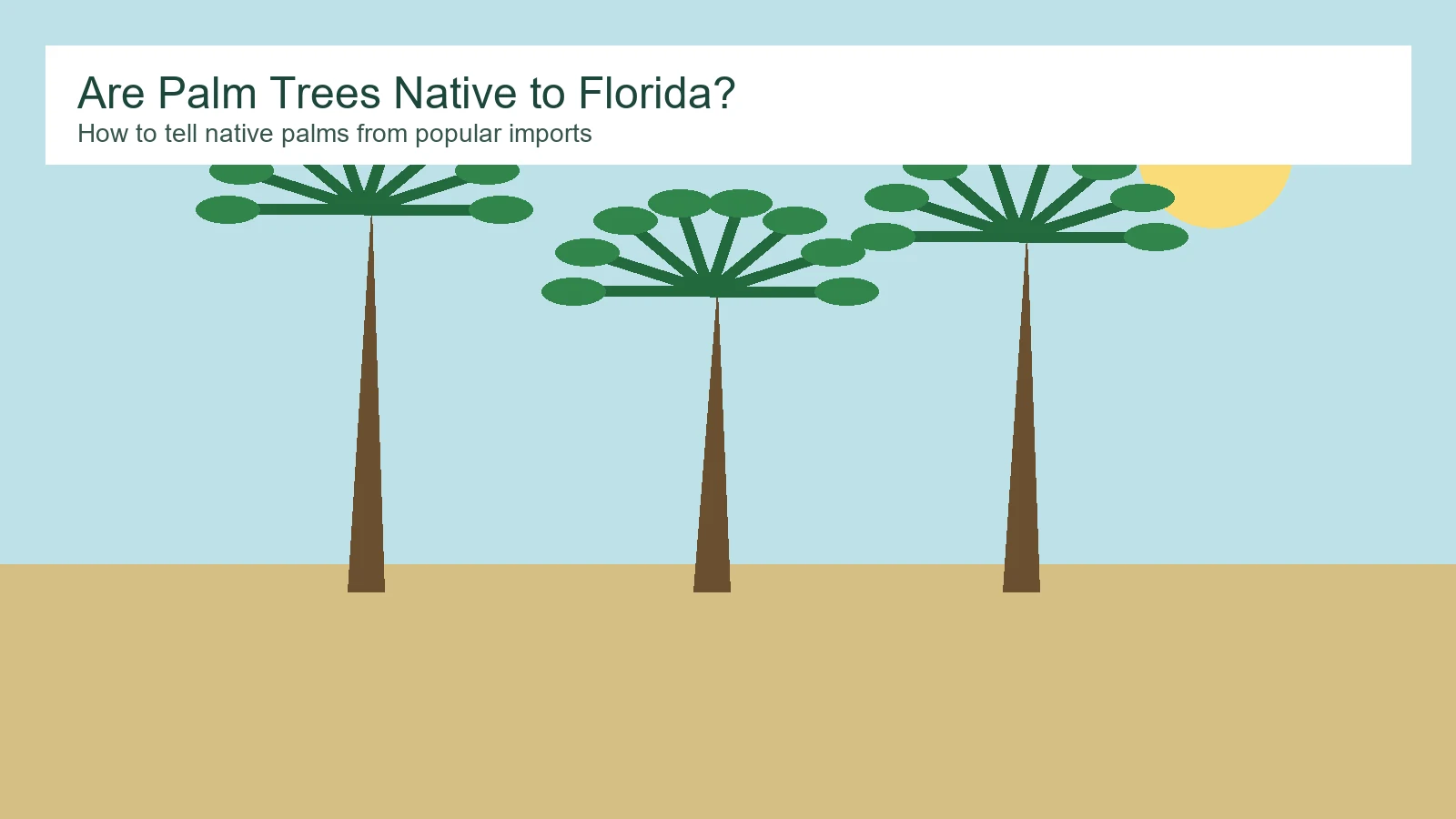
For plant selection, compare our guide to different types of palm trees. If you are planning a Florida landscape, see which palm trees are native to Florida.
Bottom line
The meaning of a palm tree combines a hand-shaped botanical name with long-standing associations of victory, peace, endurance, and tropical place. In home and garden design, that symbolism works best when paired with a palm that genuinely fits the space.

Ethan Miller
Ethan Miller writes about home improvement, interior design, cleaning, and everyday living at Home & Living Daily. He shares practical tips and simple ideas to help readers create more comfortable and functional homes.