Decor styles are recognizable combinations of shapes, materials, colors, and details—not rigid rules. The most useful way to choose one is to notice what you consistently like, match it to your home’s architecture and daily routines, then use one style as the lead with a smaller number of complementary influences.
This guide compares 12 widely used residential styles, explains several pairs people often confuse, and offers a practical way to narrow your choices. The examples describe common visual cues; real rooms can mix periods and influences, and labels are not always used identically by every designer.
What Does an Interior Design Style Mean?
A design style is a shorthand for a group of recurring choices: furniture silhouettes, surface finishes, color relationships, patterns, and the amount of ornament in a room. It helps you describe a direction, but it does not require every piece to match. A home can feel cohesive when a few choices repeat even as individual rooms and objects differ.
Style labels are also flexible. Contemporary usually refers to what feels current now, while modern often points to design ideas associated with the early-to-mid twentieth century. Trend names such as Japandi combine multiple influences. Treat the descriptions below as useful starting points rather than official checklists.
12 Interior Design Styles to Know
1. Modern
Modern interiors often favor clean lines, functional forms, open space, and limited ornament. Natural materials may appear, but they are usually used in a deliberate, uncluttered way. Modern design is connected to a particular design movement and period; it is not simply a synonym for new or fashionable.
2. Contemporary
Contemporary interiors reflect current preferences and can shift over time. A room may combine streamlined furniture with rounded shapes, tactile materials, or colors that are popular now. If it looks current but does not follow one historical movement closely, contemporary may be the more useful label.
3. Traditional
Traditional rooms often draw on historical European and American interiors through balanced arrangements, classic furniture shapes, substantial wood, patterned fabrics, and layered accessories. The look can be formal, but a restrained palette or simpler upholstery can make its familiar forms feel relaxed.
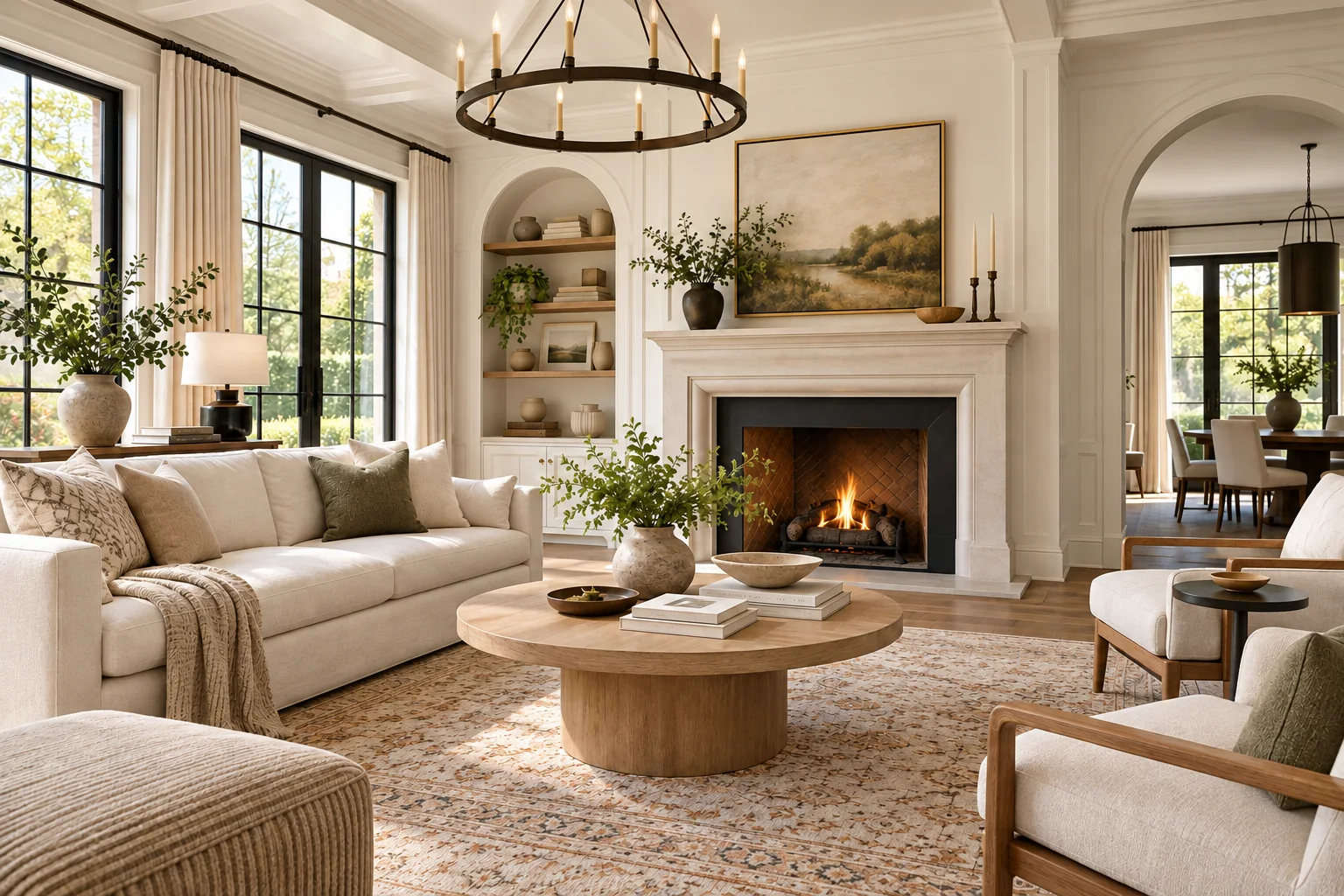
4. Transitional
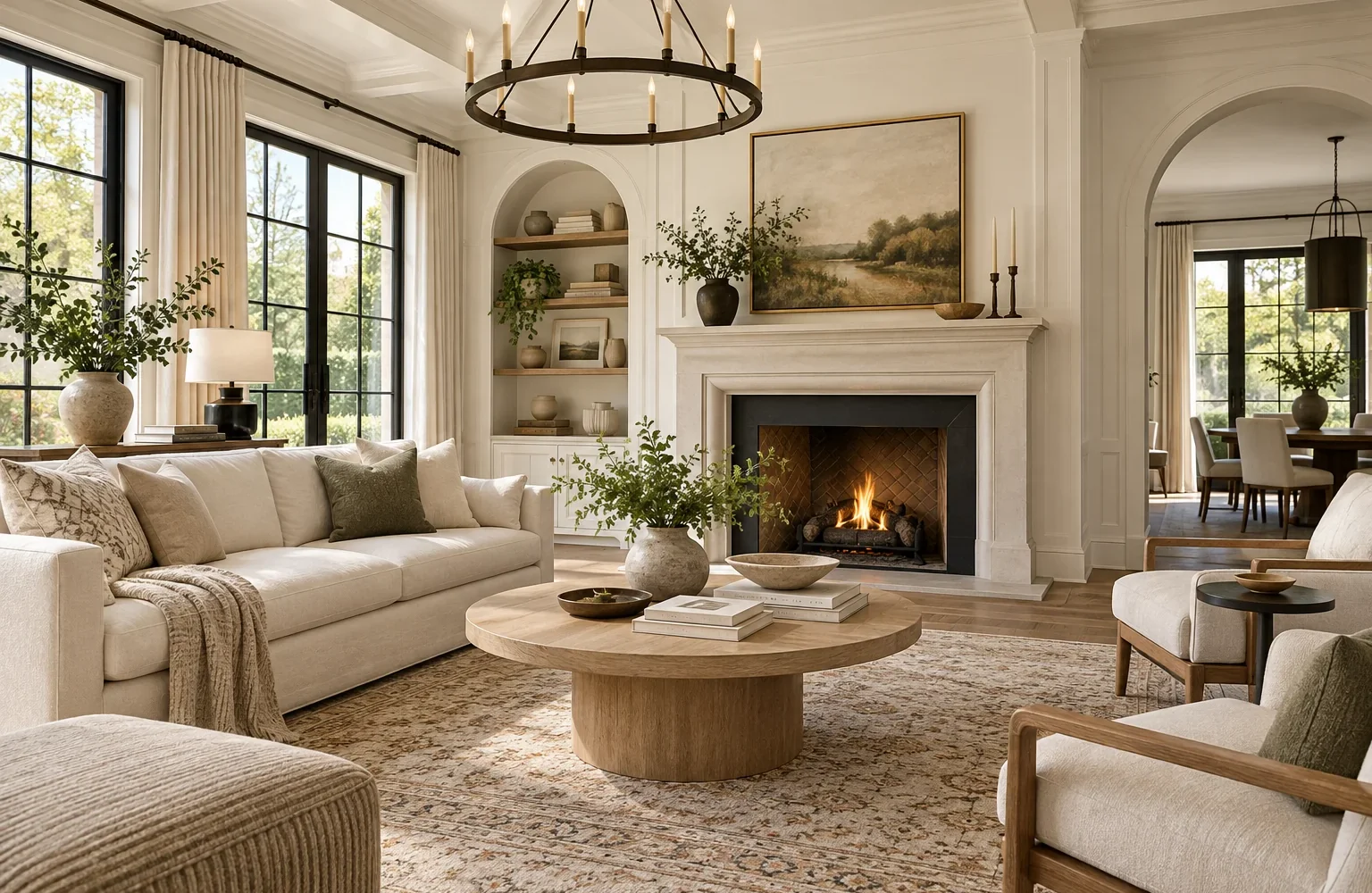
Transitional style bridges traditional and contemporary choices. It may pair classic trim or furniture proportions with simpler upholstery, fewer accessories, and current lighting. The balance can help a home with older architectural details feel updated without making every surface look stark.
5. Mid-Century Modern
Mid-century modern interiors commonly feature streamlined furniture, tapered legs, warm woods, practical shapes, and graphic patterns. The style references design from the middle decades of the twentieth century. A few well-chosen pieces can signal the look; filling a room with replicas is not necessary.
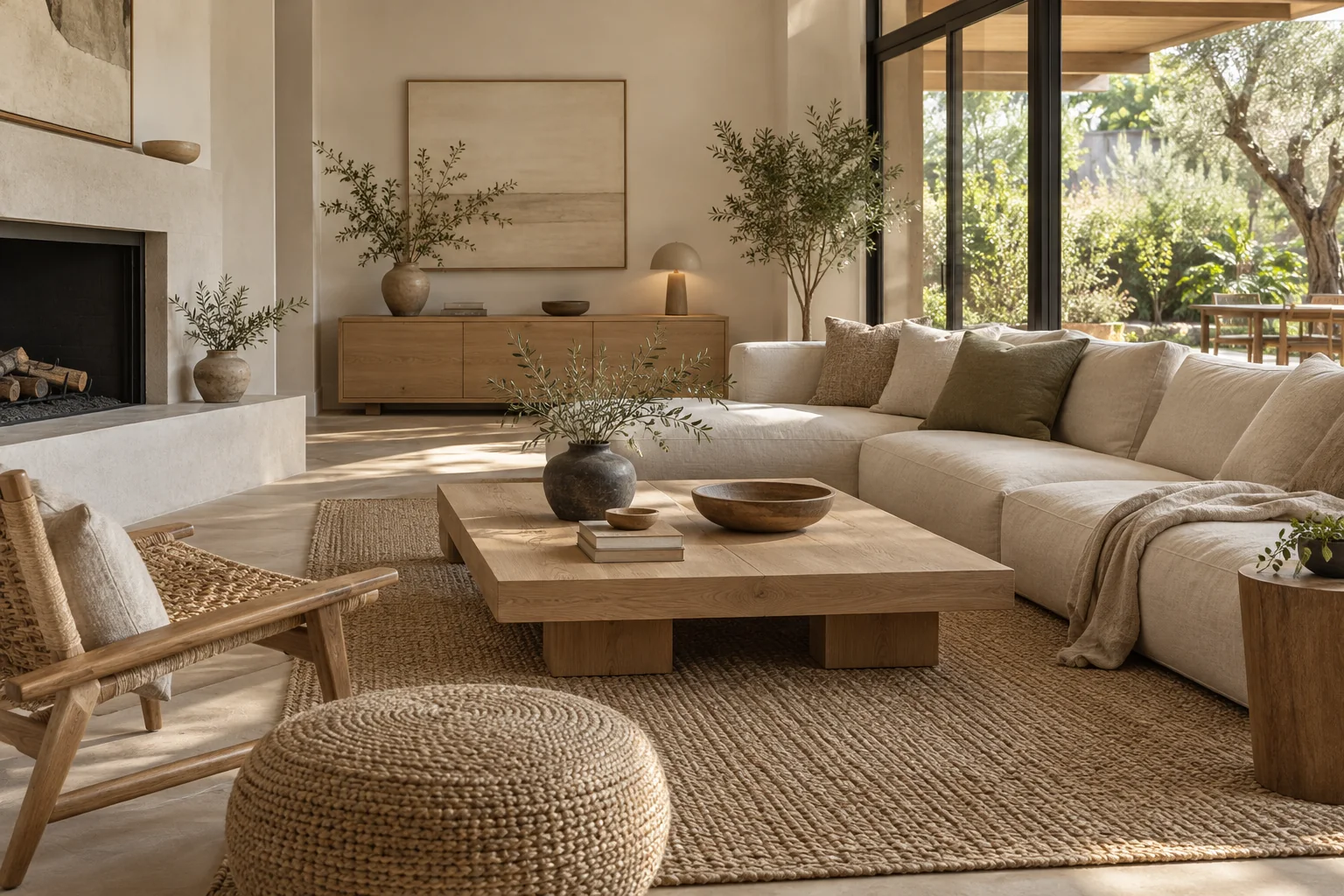
6. Scandinavian
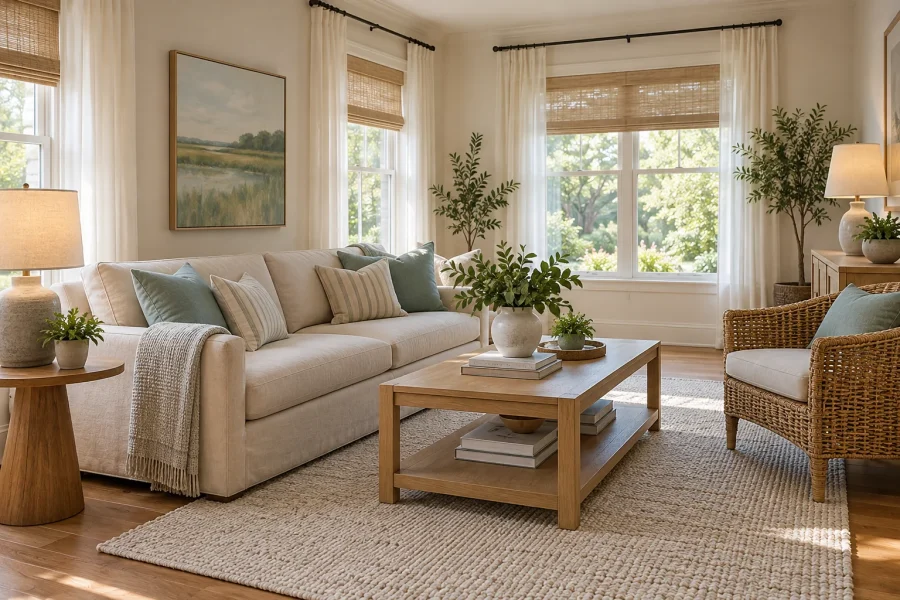
Scandinavian interiors are associated with practical forms, light woods, comfortable textiles, and a bright, pared-back feeling. White or soft neutral surfaces often help reflect daylight, while natural textures keep the room from feeling cold. Function remains part of the aesthetic.
7. Japandi
Japandi is a contemporary blend of Japanese and Scandinavian design influences. It often combines low, simple forms, natural materials, restrained colors, and an emphasis on useful objects. The goal is not an empty room; the few items present should feel considered and serve a purpose.
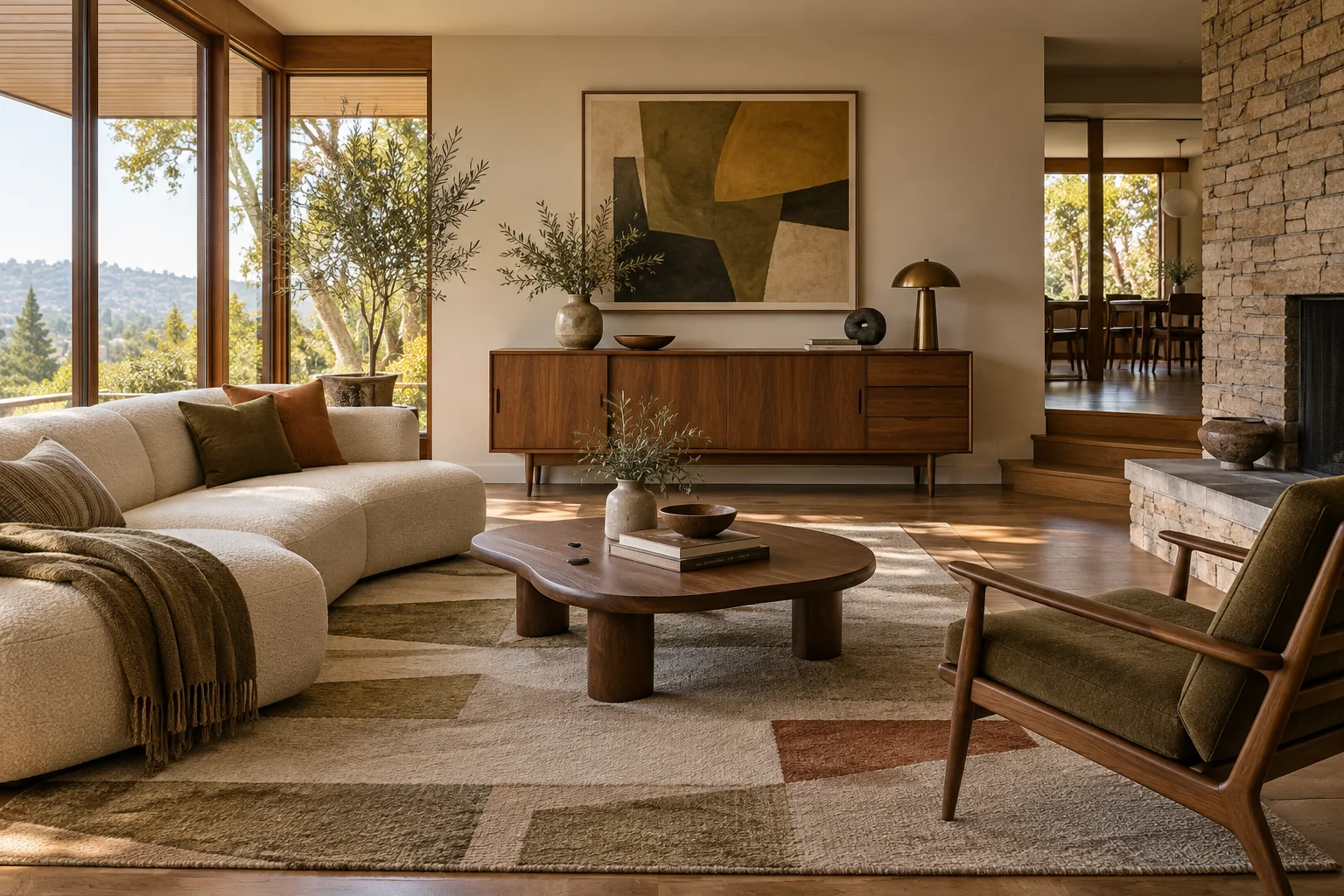
8. Minimalist
Minimalist interiors reduce visual clutter and focus attention on proportion, light, and a limited selection of furnishings. Minimalism is not synonymous with all-white rooms: texture, contrast, and personal objects can add character while keeping the overall arrangement simple.
9. Industrial
Industrial style takes cues from workshops and converted commercial buildings, including exposed brick, concrete, metal, visible structure, and utilitarian lighting. In a typical home, these materials can be balanced with rugs, wood, and comfortable upholstery so the room feels welcoming rather than unfinished.
10. Farmhouse and Modern Farmhouse
Farmhouse interiors draw on practical rural homes through sturdy furniture, natural materials, and familiar details. Modern farmhouse pares back ornament and combines rustic wood or simple architectural references with cleaner lines. Too many distressed surfaces and decorative signs can make the result feel themed instead of personal.
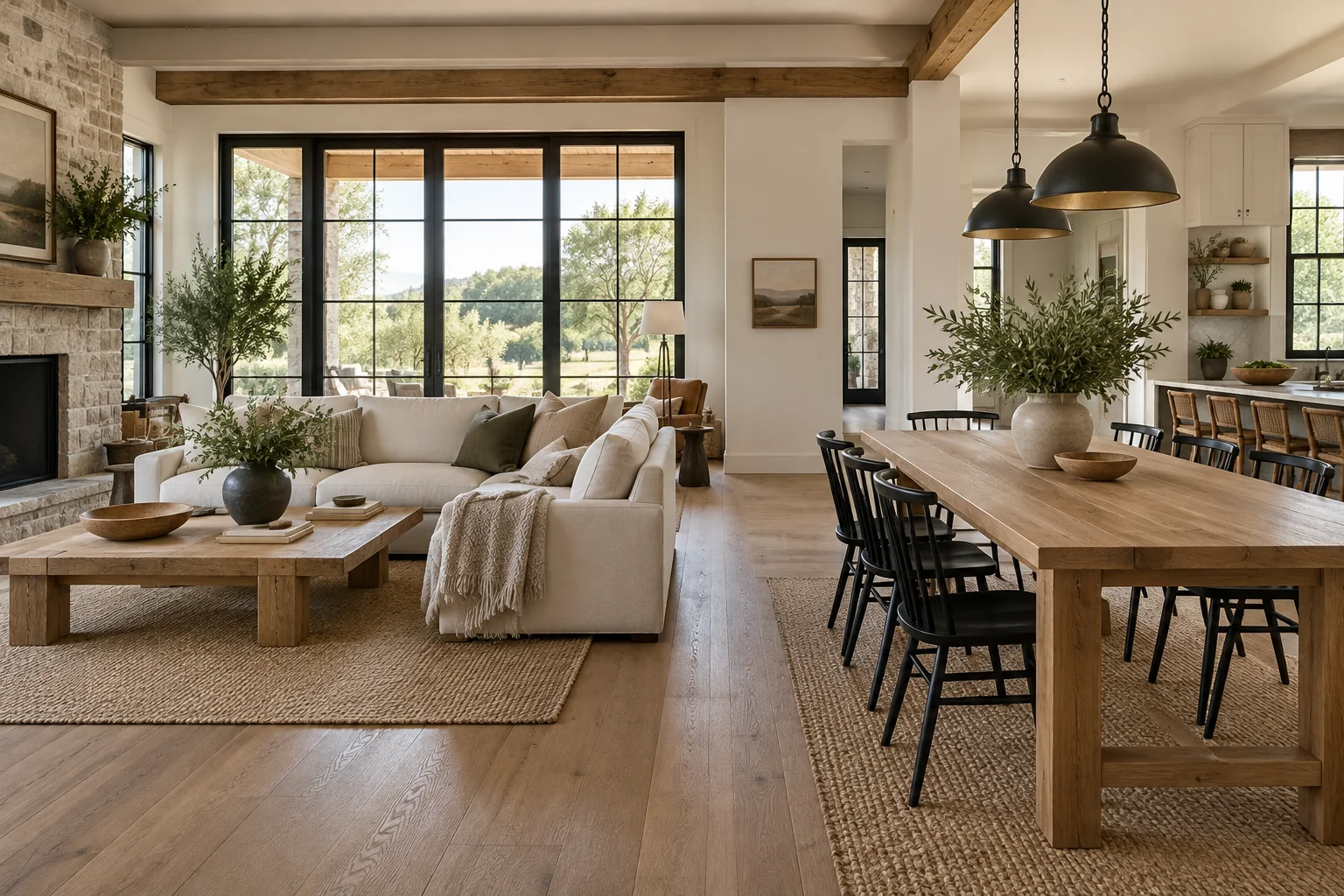
11. Bohemian
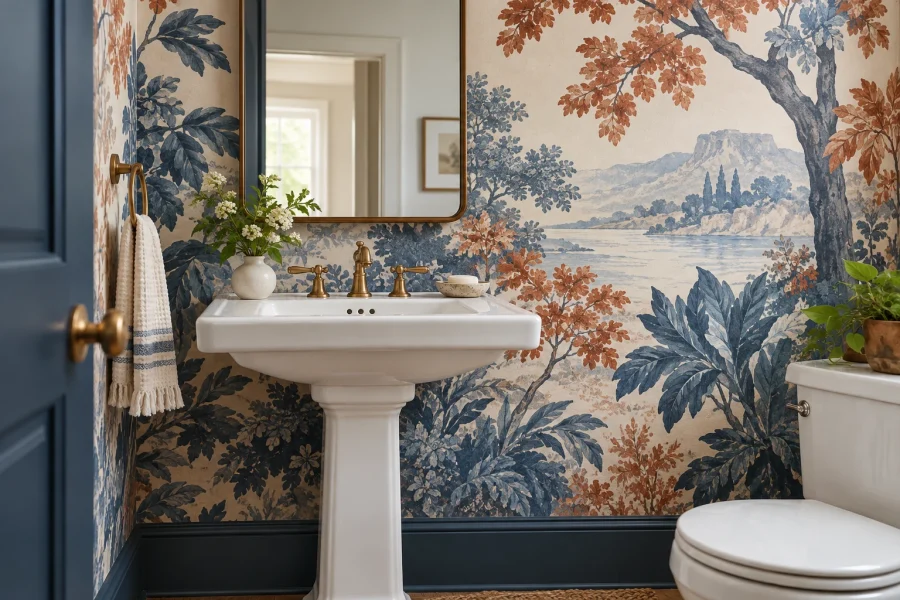
Bohemian rooms tend to feel collected and expressive, often mixing textiles, art, plants, vintage finds, and patterns. There is no single required palette. Repeating a color or material helps varied objects feel connected, while leaving some breathing room keeps the display from becoming visually tiring.
12. Coastal
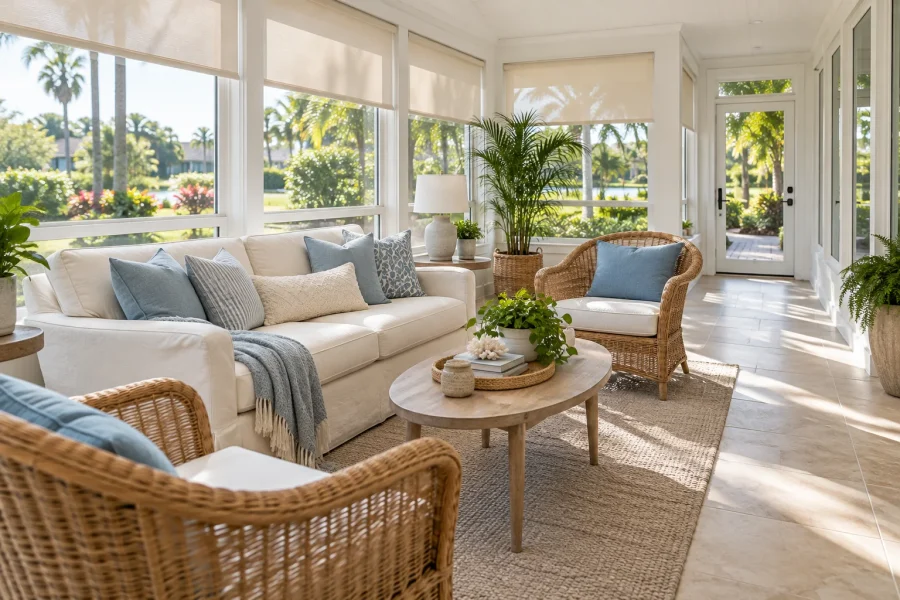
Coastal style uses cues associated with shorelines: relaxed furniture, natural textures, airy colors, and sometimes blue or sea-inspired accents. It does not require shells or nautical motifs. A lighter palette and woven materials can create a coastal feeling without turning the room into a beach theme.
Interior Design Styles That Are Easy to Confuse
- Modern vs. contemporary: Modern usually refers to a historical design movement; contemporary means current and changes with time.
- Traditional vs. transitional: Traditional leans more fully into classic forms and layered detail. Transitional mixes those references with simpler, more current choices.
- Scandinavian vs. Japandi: Both can use light wood and restrained colors. Japandi more visibly combines Japanese-influenced low forms and material restraint with Scandinavian practicality.
- Farmhouse vs. modern farmhouse: Both may use rustic materials, but modern farmhouse generally reduces decorative detail and pairs those materials with cleaner shapes.
- Minimalist vs. Scandinavian: Minimalism is about reducing visual elements; Scandinavian design also emphasizes practical comfort, natural materials, and a bright atmosphere.
These are broad distinctions, not strict boundaries. A single room can reasonably include cues from more than one style.
How to Choose an Interior Design Style for Your Home
- Collect examples you genuinely like. Save rooms rather than isolated products. Include examples from different sources so you can look for repeated patterns.
- Identify the common thread. Note recurring furniture shapes, wood tones, colors, patterns, and how full or spare the rooms feel. Circle the details that appear more than once.
- Look at what the home already gives you. Floors, windows, trim, ceiling height, and built-ins can point toward styles that will feel natural. Work with fixed features before replacing them.
- Consider everyday use. Think about maintenance, pets, children, storage, comfort, and how rooms are used. A style should support life in the home, not only look good in a reference photo.
- Choose one leading direction. Use a primary style to guide large decisions, then add a secondary influence through smaller furniture, art, textiles, or accessories.
- Test the idea before committing. Try a small textile, paint sample, or rearranged grouping. View colors in the room’s actual light and live with the choice before buying several large pieces.
If you are also planning furniture placement, lighting, color, and a project budget, see our practical interior design planning guide. It covers the room-planning process; this article focuses on style recognition and selection.
How to Mix Interior Design Styles Without Visual Clutter
Start with a dominant style and let a second one contribute a smaller number of details. Repeat a finish, color, or shape to connect pieces from different sources. For example, a traditional room can take on a more current feel through simple lighting and less ornate textiles, while a modern room can feel warmer with vintage wood and patterned fabric.
Keep large purchases relatively cohesive and use smaller items to experiment. If every piece competes for attention, edit the room until a few strong elements have space around them. A style mix tends to feel intentional when the room has a clear focal point and a limited palette of repeated materials.
Frequently Asked Questions
What are the most popular interior design styles?
Modern, contemporary, traditional, transitional, mid-century modern, Scandinavian, Japandi, minimalist, industrial, farmhouse, bohemian, and coastal are commonly discussed residential styles. Popularity varies by region and changes with trends; choose by fit rather than ranking.
Can a home have more than one interior design style?
Yes. Many homes combine influences. Keeping one direction dominant and repeating a few materials or colors can help rooms feel connected without making every space identical.
How do I figure out my decorating style?
Collect rooms you like, look for recurring shapes and materials, and compare those patterns with your home’s fixed features and your daily needs. Test a small change before making a large purchase.
Is modern the same as contemporary?
No. Modern usually refers to a historical design movement, while contemporary describes styles that feel current. Contemporary interiors can borrow from modern design, but the terms are not interchangeable.
Which design style works best in a small home?
No one label guarantees a room will function well. Clear circulation, appropriately sized furniture, useful storage, and lighting matter more than adopting a particular style. A restrained approach can help a small room feel less crowded, but it should still fit how you live.
Choose a Direction, Then Make It Yours
Use style names as vocabulary, not a set of rules. Identify what you are drawn to, account for the home’s existing features, and pick one clear direction to guide your biggest choices. A few complementary pieces can bring in other influences over time. The result should feel coherent while still reflecting the people who live there.
Sources and Editorial Note
- Architectural Digest: 15 Essential Interior Design Styles to Know Now
- House Beautiful: The 30 Most Iconic Interior Design Styles, According to Experts
- AND Academy: Top Interior Design Styles
Style descriptions are editorial summaries of recurring visual conventions, not formal standards. Images in this article are AI-generated illustrations and do not depict verified design projects.

Ethan Miller
Ethan Miller writes about home improvement, interior design, cleaning, and everyday living at Home & Living Daily. He shares practical tips and simple ideas to help readers create more comfortable and functional homes.