Kitchen hardware trends for 2026 pair practical cabinet pulls with warmer finishes, tactile surfaces, and a few more personal shapes. Aged brass and bronze bring depth, mixed metals can make a room feel collected, and sculptural or colorful knobs offer an easy accent. The useful rule is to choose a look that works with your cabinet style, feels comfortable in your hand, and will be easy to live with every day.
You do not need a full kitchen renovation to use these ideas. Replacing knobs and pulls can refresh existing cabinets, while new builds and remodels can use hardware to set the tone from the start. Here is what is gaining attention, what current survey data says homeowners are choosing, and how to select sizes and finishes without making the kitchen feel busy.
What Is Changing in Kitchen Hardware for 2026?
The broad direction is toward more character in the details, with finishes and forms that add texture without taking over the kitchen. Designers are talking about aged metals, bronze, mixed finishes, subtle surface detail, and the return of decorative backplates. At the same time, simple slim pulls remain useful in contemporary kitchens, especially where clean cabinet lines are the priority.
There is a difference between a design forecast and what homeowners actually install. In the 2026 U.S. Houzz Kitchen Trends Study, 95% of renovating homeowners chose cabinets with handles. Bar pulls led the hardware styles at 74%, followed by knobs at 37%; the survey allowed respondents to choose more than one style. Brushed nickel was the most common reported finish at 28%, followed by black at 18% and brushed gold at 12%. These figures describe survey respondents renovating in 2025–26, not a prediction that every kitchen should use the same hardware.
The practical takeaway: classic pulls and knobs are still common, while finish, scale, and placement offer room to make the choice feel personal. Trends work best as options to test against your cabinets, lighting, and routine.
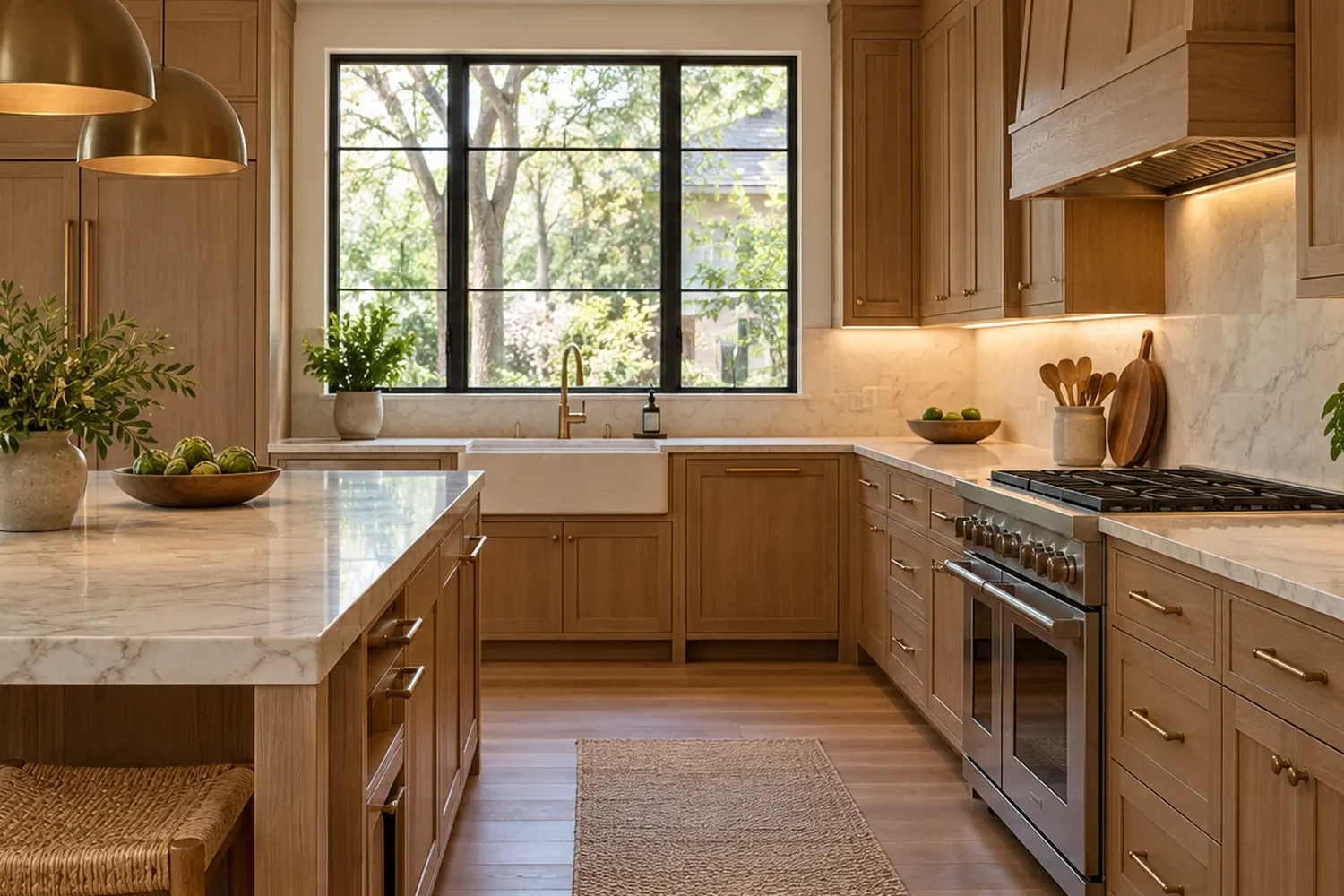
1. Warm, Aged Finishes Bring More Depth
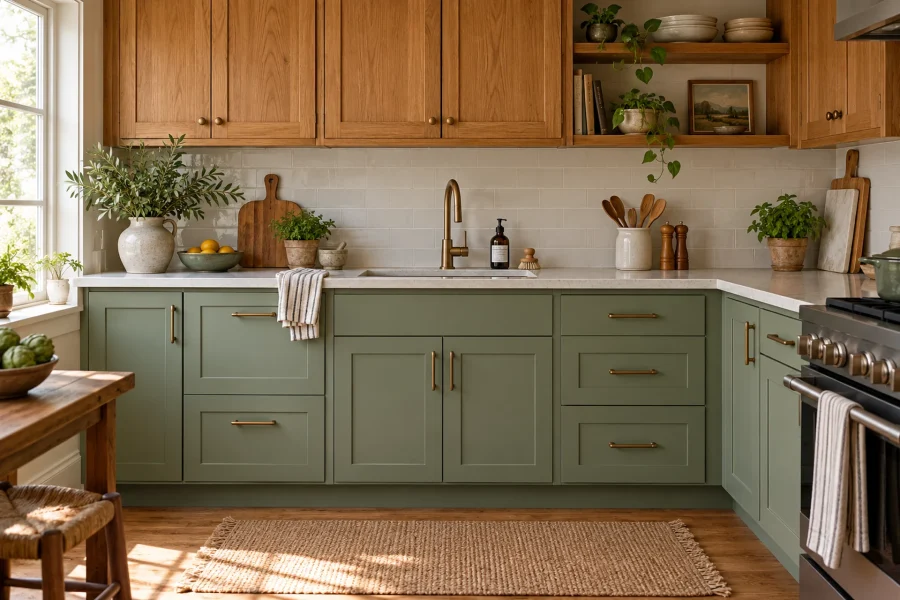
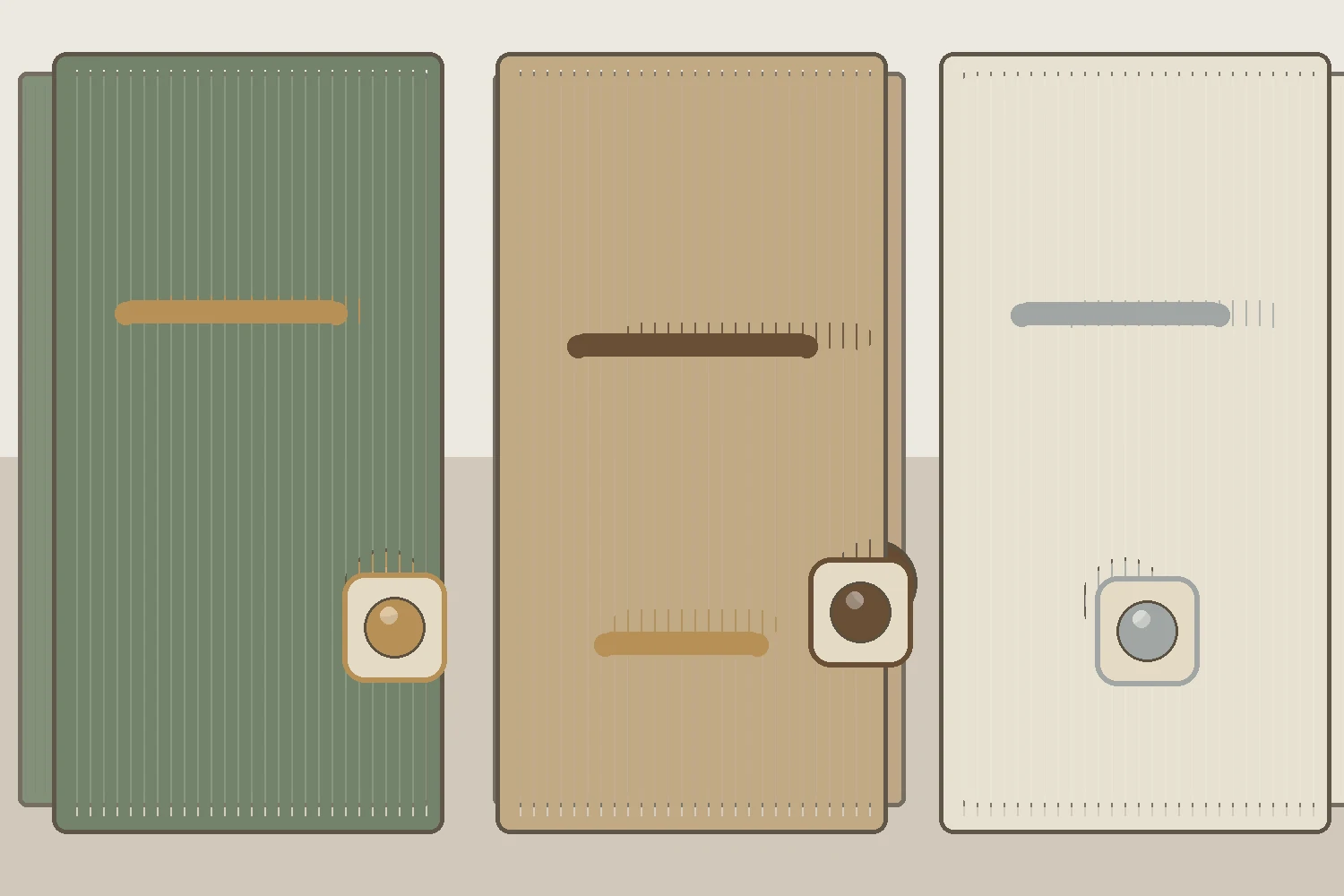
Antique brass, brushed brass, burnished bronze, and other softened metal finishes are prominent in 2026 coverage. Their appeal comes from a less reflective look that can sit comfortably beside wood grain, painted cabinets, stone, and tile. An aged finish can also make a newer kitchen feel less uniform.
Unlacquered brass is often described as a “living finish” because it can change as it is handled and exposed to air. That variation is part of the appeal for some homeowners, but it is not a maintenance-free choice. The patina may develop unevenly, and cleaning or polishing can alter it. Check the manufacturer’s care instructions and look at an actual sample before ordering a full set.
Bronze can be a useful alternative if brass feels too bright or familiar. Darker brown tones bring warmth while offering more contrast against cream, pale wood, or muted green cabinets. For a contemporary look, brushed nickel remains a durable-feeling, widely available option; the data also shows it remains widely selected, so forecasts that call every cool metal “out” overstate the shift.
2. Mixed Metals Look Collected When They Have a Plan
Matching every metal in the kitchen is no longer a strict requirement. Cabinet hardware can differ from a faucet, pendant, or appliance finish and still feel intentional. The key is to repeat or connect finishes so the room reads as layered rather than accidental.
A straightforward approach is to choose one dominant metal and one supporting finish. For example, aged brass cabinet pulls can sit alongside a stainless appliance suite, or dark bronze knobs can add contrast to a kitchen with a brushed nickel faucet. Keep the number of competing finishes limited, and compare samples in the actual room because lighting changes how metals appear.
Think about visual weight as well as color. A small knob and a large faucet do not carry equal emphasis. If a finish appears only once, repeat it in a light fixture, shelf bracket, or accessory—or keep it as a deliberate single accent.
3. Sculptural Knobs Meet Slim, Simple Pulls
Hardware is getting more attention as a small design feature. Rounded forms, knurled textures, curved profiles, and hand-finished shapes can give flat cabinet fronts a focal point. These details work particularly well when most of the kitchen is visually quiet.
There is also room for restraint. Slim bar pulls, pared-back D-shaped handles, and recessed pulls suit slab fronts and open-plan kitchens where a heavy profile might compete with the rest of the room. A useful combination is to choose a distinctive knob for a small bank of cabinets and keep longer drawers in a simpler pull. That variation can add rhythm without turning every cabinet into a statement.
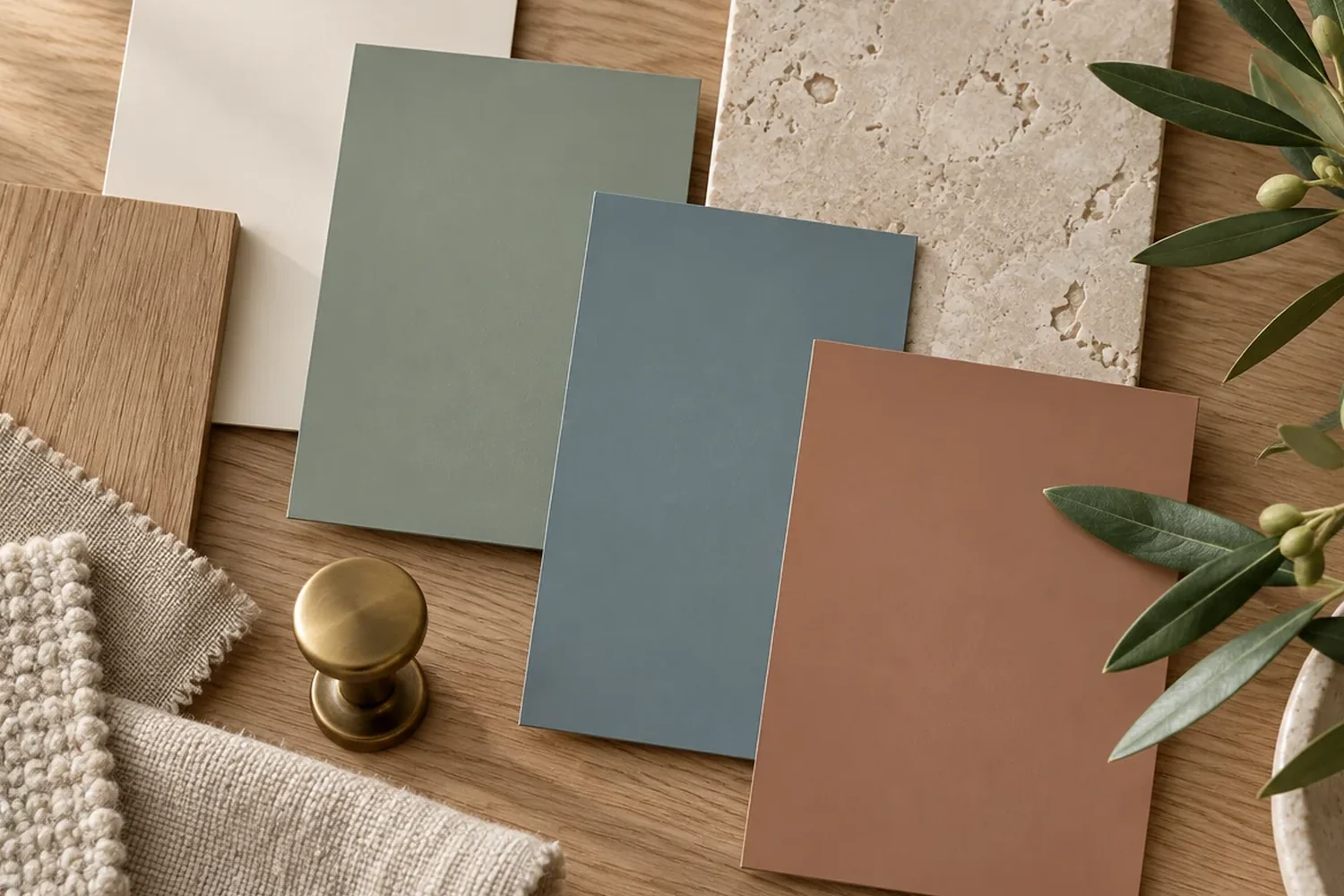
Before committing to an unusual shape, test how it feels to grip and whether it catches clothing or obstructs a narrow walkway. Hardware is touched many times a day; comfort matters as much as its appearance in a photograph.
4. Backplates and Color Add a Personal Note
A backplate is a decorative plate mounted behind a knob or pull. It can add contrast, emphasize a traditional cabinet, or cover old screw marks when you replace hardware. Backplates are appearing again in design coverage because they add detail without changing the cabinet door itself.
Colorful ceramic, glass, painted, or resin knobs offer another way to make a small update feel personal. Use them where a playful note makes sense—on a pantry, a furniture-style island, or a small run of upper cabinets. If every door gets a bold accent, the room can feel visually scattered; repeating a color or limiting it to one zone helps it feel considered.
Specialty details such as catches, rails, and decorative locks can make cabinetry feel furniture-like. They are best used where they are practical and compatible with the cabinet construction. For a quick refresh, a new knob or backplate is usually simpler than adding a detail that requires drilling or altering the door.
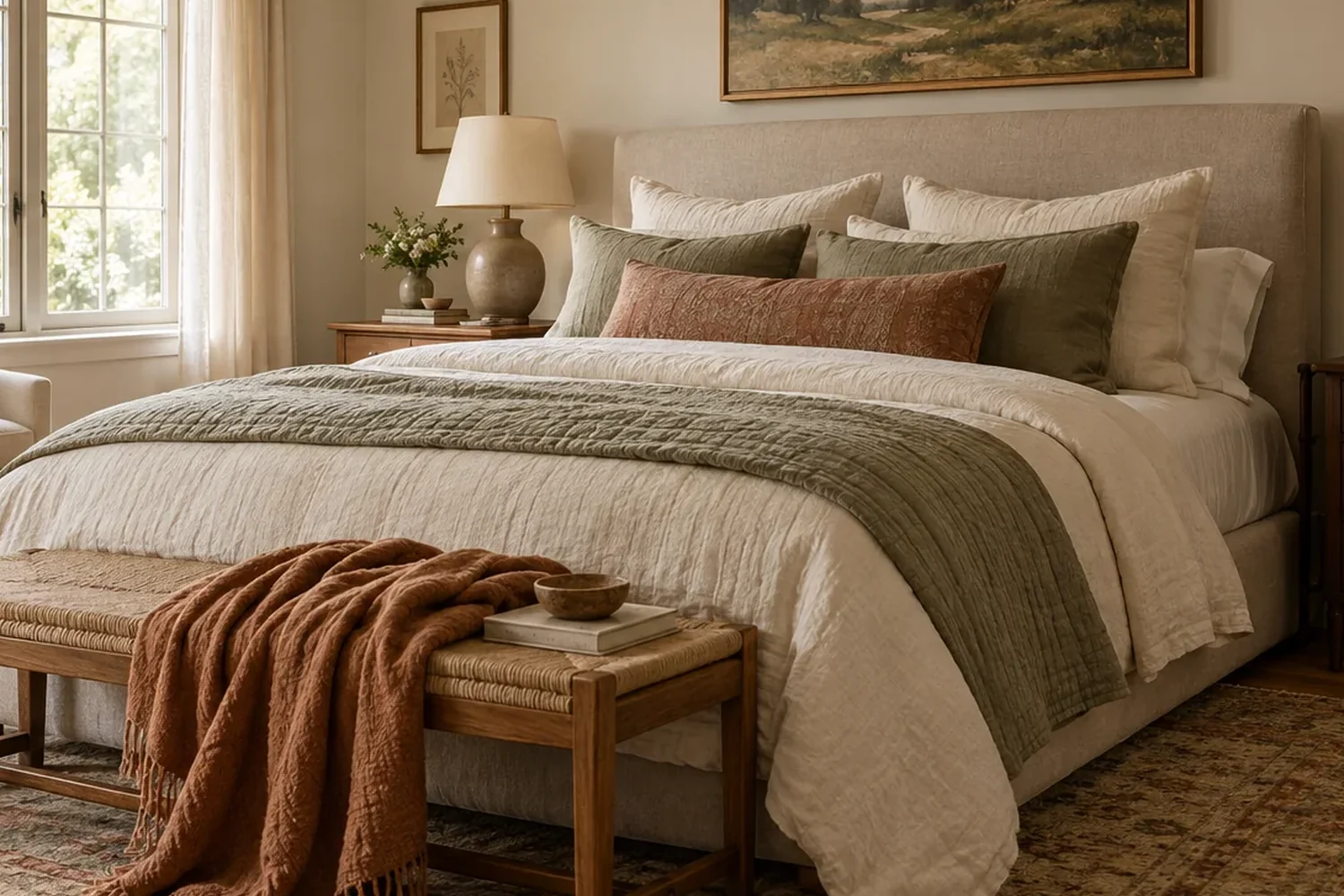
How to Choose Hardware That Works
Start with the cabinets and the job
Look at the cabinet door style, material, and color first. A decorative knob may suit a traditional Shaker door, while a long pull can emphasize the horizontal lines of a wide drawer. Also consider who uses the kitchen: a pull that is easy to grasp may be more comfortable than a small knob for someone with limited hand strength.
Measure hole spacing before you buy
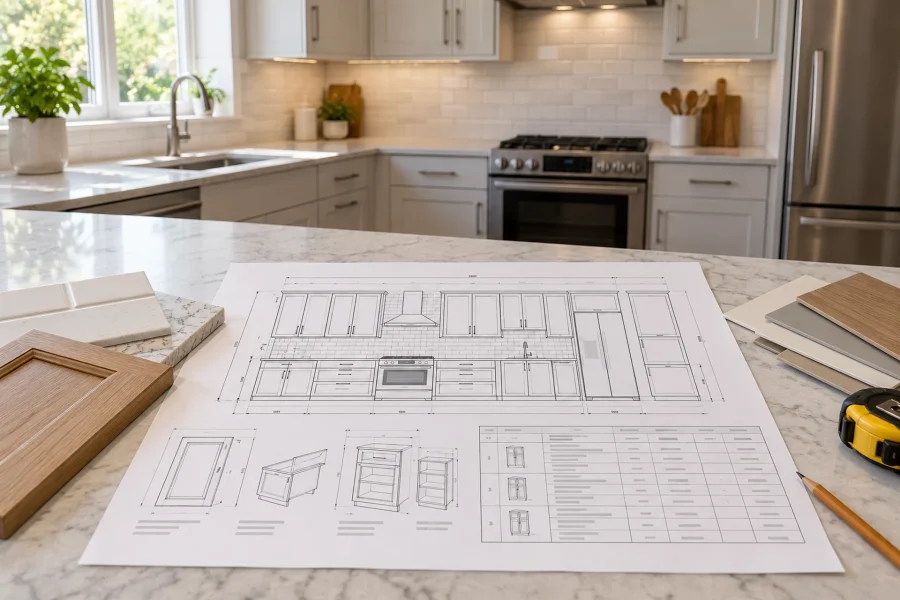
For replacement pulls, measure the distance from the center of one screw hole to the center of the other. This is the center-to-center measurement. Matching it lets you reuse existing holes; a different spacing may require filling, refinishing, or drilling new holes. For new cabinets, make a placement template and test it on a sample door before installing the full set.
Choose scale by testing a sample
There is no single pull length that suits every drawer. Compare the hardware against the drawer width and cabinet profile, and make sure the pull leaves enough room for fingers. Large drawers often feel easier to open with a longer pull, while a small door can look crowded with an oversized handle. Use painter’s tape to preview position and proportion before drilling.
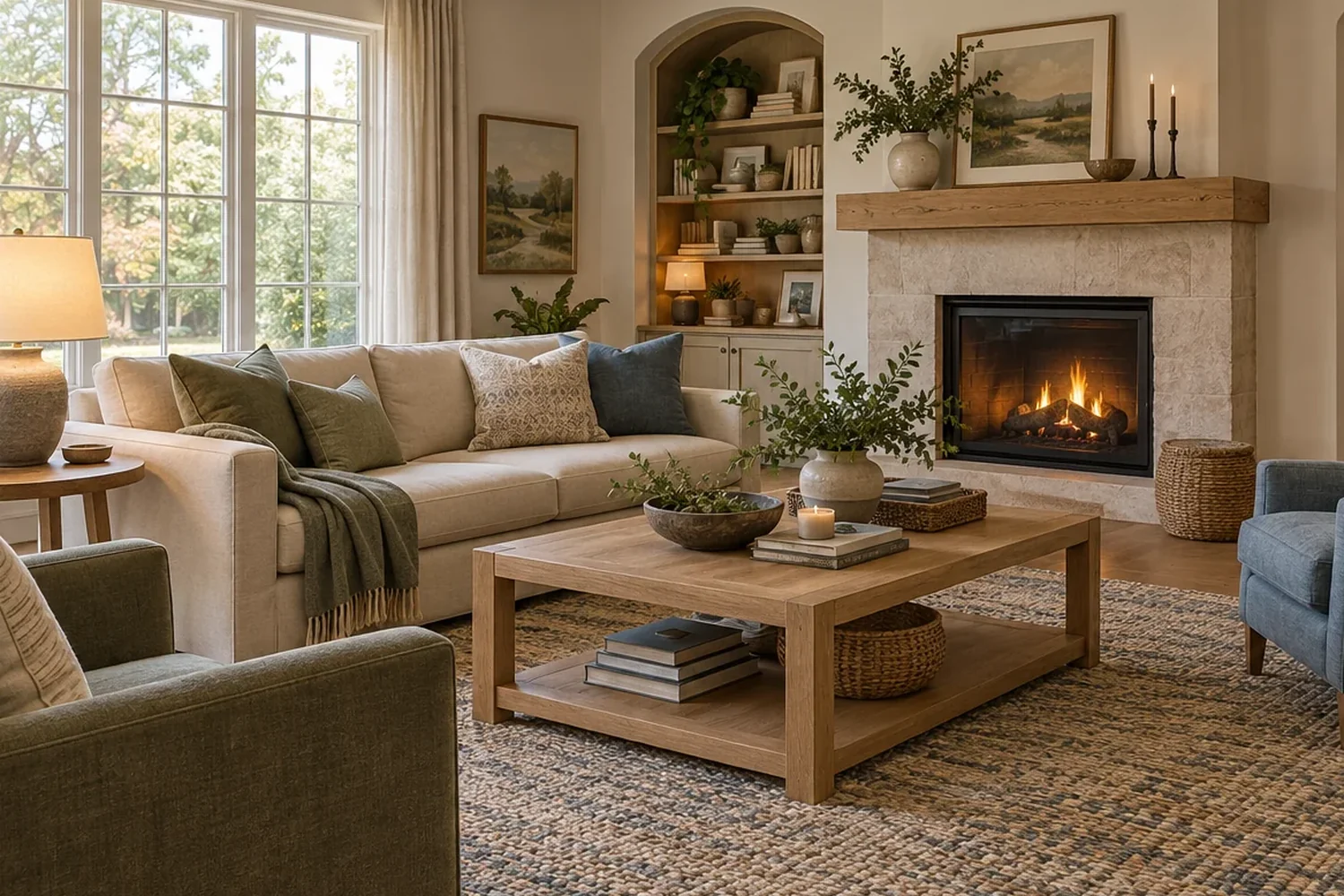
Check the finish and maintenance
Order a sample when possible, then view it against cabinets, counters, faucets, and appliances in daylight and at night. Ask whether the finish is plated, coated, or designed to patina, and follow the care instructions. A finish that looks right in a showroom may read differently under warm bulbs or next to a specific paint color.
Keep installation consistent
Knobs and pulls can be mixed, but placement should look deliberate. Use the same reference points across similar doors and drawers, and check clearances around corners, appliances, and adjacent handles. If you are changing hole positions or working with specialty cabinet fronts, a carpenter or cabinet installer can help prevent visible mistakes.
Quick Pairing Ideas for Different Kitchen Styles
- Warm wood cabinets: Try aged brass or bronze for a tonal pairing, or brushed nickel for a cooler contrast.
- White or cream cabinets: Use bronze for gentle contrast, brass for warmth, or colorful knobs as a small accent.
- Dark cabinets: Brushed brass can brighten the fronts; a muted metal keeps the contrast softer.
- Slab-front cabinets: Consider slim pulls, recessed hardware, or one sculptural profile repeated consistently.
- Traditional or furniture-style cabinets: Backplates, rounded knobs, and specialty catches can reinforce the detailing.
These are starting points rather than fixed rules. Cabinet undertones, countertop patterns, and natural light all affect the final pairing.
Kitchen Hardware Trends 2026 FAQs
Is brass cabinet hardware still in style in 2026?
Yes. Brass remains a common choice, especially brushed, aged, or softer versions. The current direction includes more varied finishes such as bronze and nickel, so choose the tone that works with the room instead of treating one metal as mandatory.
Are knobs or pulls more popular for kitchen cabinets?
In the 2026 U.S. Houzz survey, bar pulls were reported more often than knobs among homeowners updating cabinets, but respondents could choose more than one style. Both remain common, and the most useful option depends on cabinet size, grip comfort, and the look you want.
Can I mix cabinet hardware finishes?
Yes. Pick a dominant finish, add one supporting metal, and repeat the supporting choice where possible. Compare physical samples in your kitchen to see whether the tones work together.
What is a living finish?
A living finish is intended to change through use and exposure rather than stay visually uniform. Unlacquered brass is a common example. Ask the maker how it will age and how to clean it before choosing it for a high-touch kitchen.
Can new hardware update old kitchen cabinets?
Often, yes. Replacing knobs or pulls is a relatively small change that can refresh the appearance of cabinets. Match the existing screw spacing if you want to avoid filling or drilling holes, and check that the new hardware fits the door thickness and edge clearances.
Choose a Trend You Will Enjoy Using
The strongest kitchen hardware choice is one that feels good in your hand and belongs with the rest of the room. For 2026, aged metals, mixed finishes, sculptural forms, backplates, and colorful accents offer ways to add character; familiar bar pulls and knobs remain practical staples. Start with samples, confirm the measurements, and use a trend where it supports the cabinets rather than dictating the whole kitchen.
For more room-wide planning, see our guides to rich-colored marble kitchen trends and the closed-kitchen trend.
Image note: Article cover is an editorial illustration and body images are AI-generated editorial visualizations and do not depict a verified product installation or home.

Ethan Miller
Ethan Miller writes about home improvement, interior design, cleaning, and everyday living at Home & Living Daily. He shares practical tips and simple ideas to help readers create more comfortable and functional homes.