Remodel a kitchen on a budget by keeping useful components and choosing a sequence that avoids removing new work later. Resolve the cabinet plan before buying counters, confirm appliance fit before changing openings, and spend on the daily problem that matters most. A smaller complete project is easier to control than a full renovation with essential work missing.
Begin with what already works. An attractive kitchen update does not require every cabinet, appliance, and surface to change at once.
Identify the expensive frustration, not just the dated finish
List the problems you encounter while cooking and cleaning. Perhaps pans are hard to reach, a drawer is broken, lighting leaves the preparation area in shadow, or an appliance blocks a walkway when open. Separate those issues from colors you have grown tired of.
Then inspect what you intend to keep. A finish refresh makes more sense on sound cabinets with a useful layout than on swollen boxes or failing joints. Investigate leaks or damage before putting funds into a new visible surface.
Decide the cabinet route before the countertop route
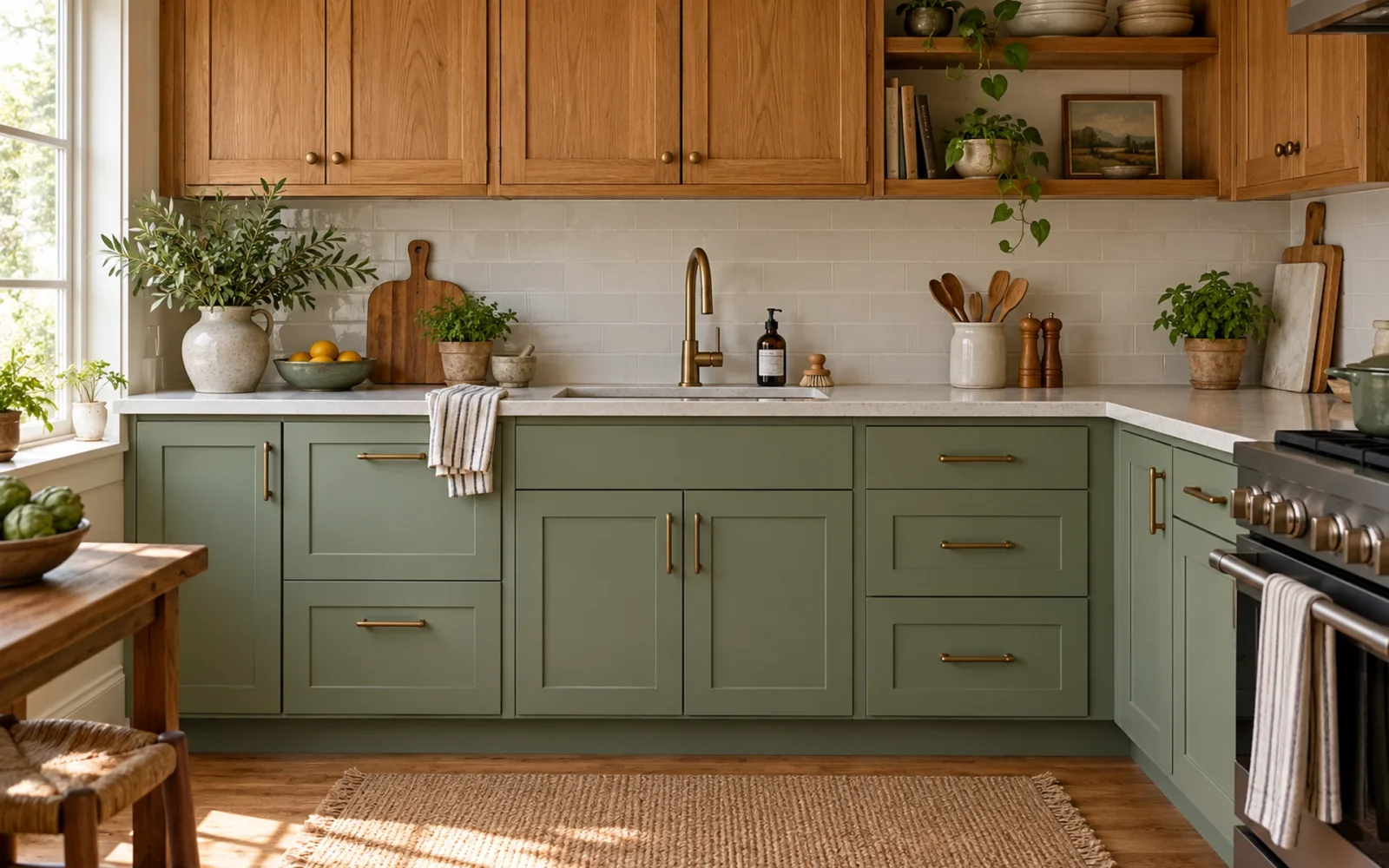
If the cabinet boxes and layout work, compare a suitable finish change, new doors and fronts, or limited storage improvements. Price the complete preparation and installation rather than assuming painting is a quick coat over the existing finish.
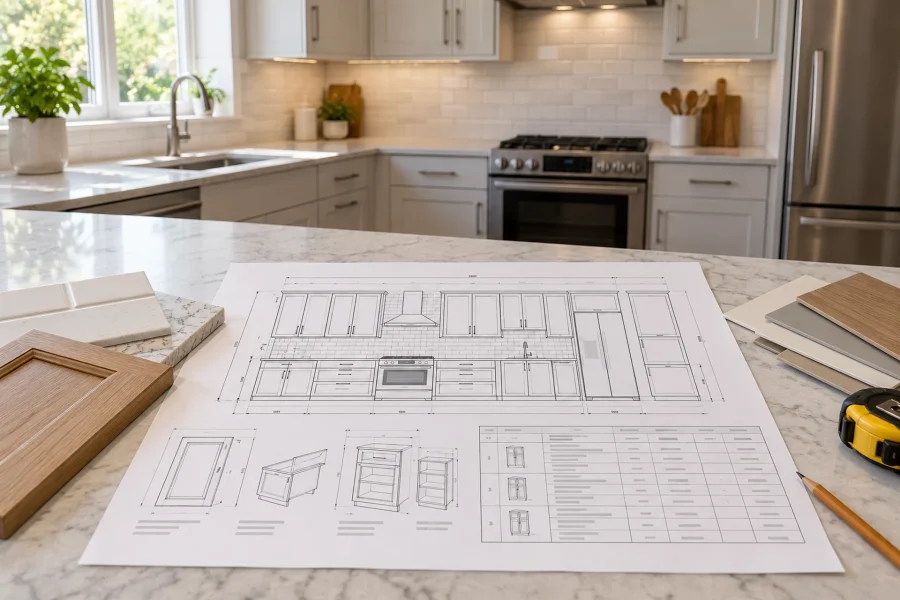
If you need new boxes, move appliances, or change the layout, settle that scope first. A new custom counter is measured to a particular arrangement. Buying it before deciding whether the underlying cabinets stay can create a costly dependency.
For example, imagine a homeowner who dislikes the cabinet color but likes the storage. Retaining the boxes and changing their finish may be worth pricing. Another homeowner with damaged sink-base material and an unusable corner needs a different comparison. The same decorative solution does not serve both situations.
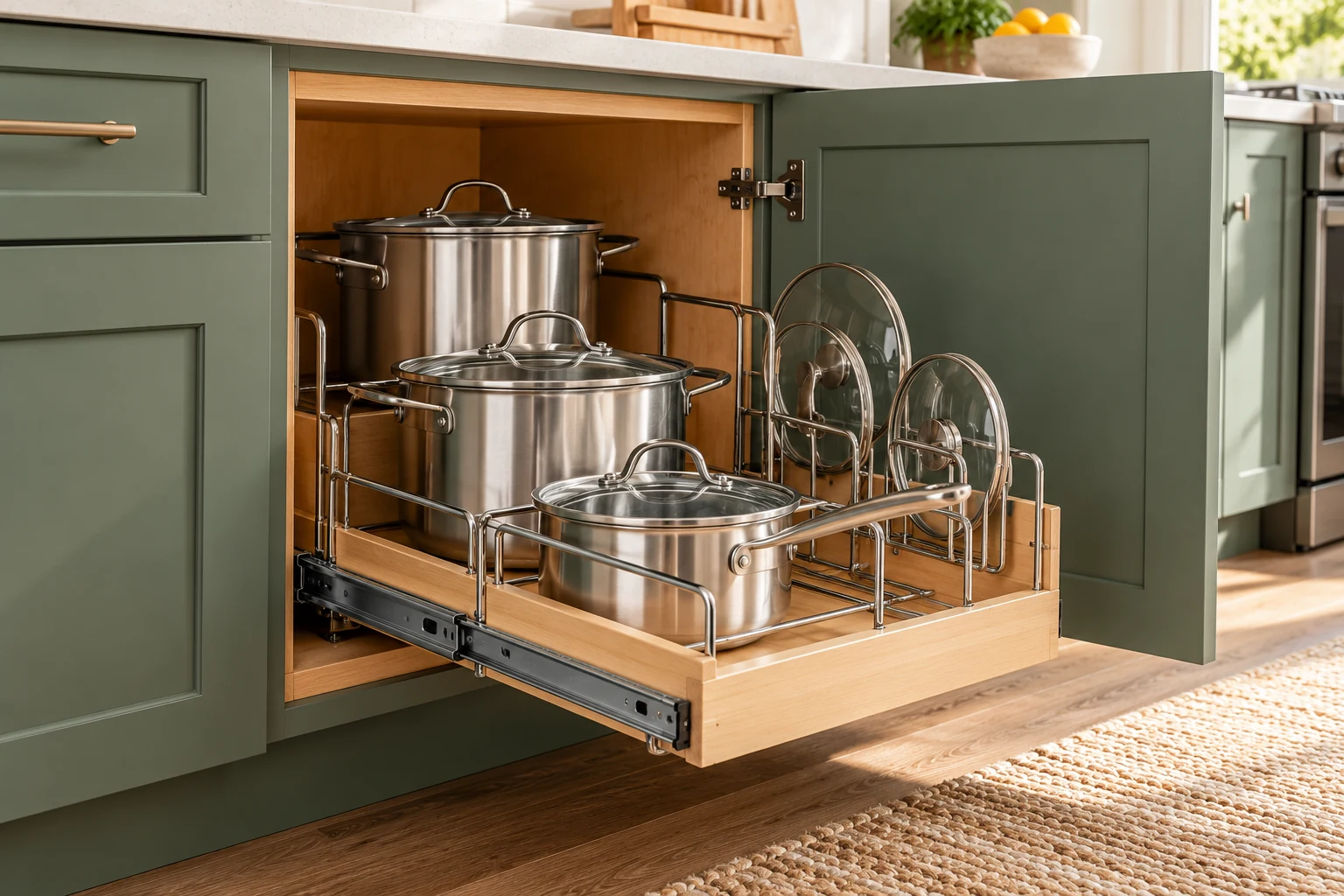
Make a few visible changes work together
Choose a restrained combination of cabinet finish, hardware, lighting, and wall color around the materials you retain. View samples in the room. A new finish that clashes with the existing counter can create pressure to replace another item you meant to keep.
Hardware is a useful small purchase when it fits. Check hole spacing, door thickness, screw length, grip, and nearby appliance or drawer movement before ordering a full set. Our kitchen hardware guide compares finish and shape choices with everyday use in mind.
A simple backsplash and counter edge can reduce visual complexity and simplify the specification. Compare installed alternatives, including preparation and transitions. An inexpensive material with numerous cuts or special details may not produce the saving its shelf price suggests.
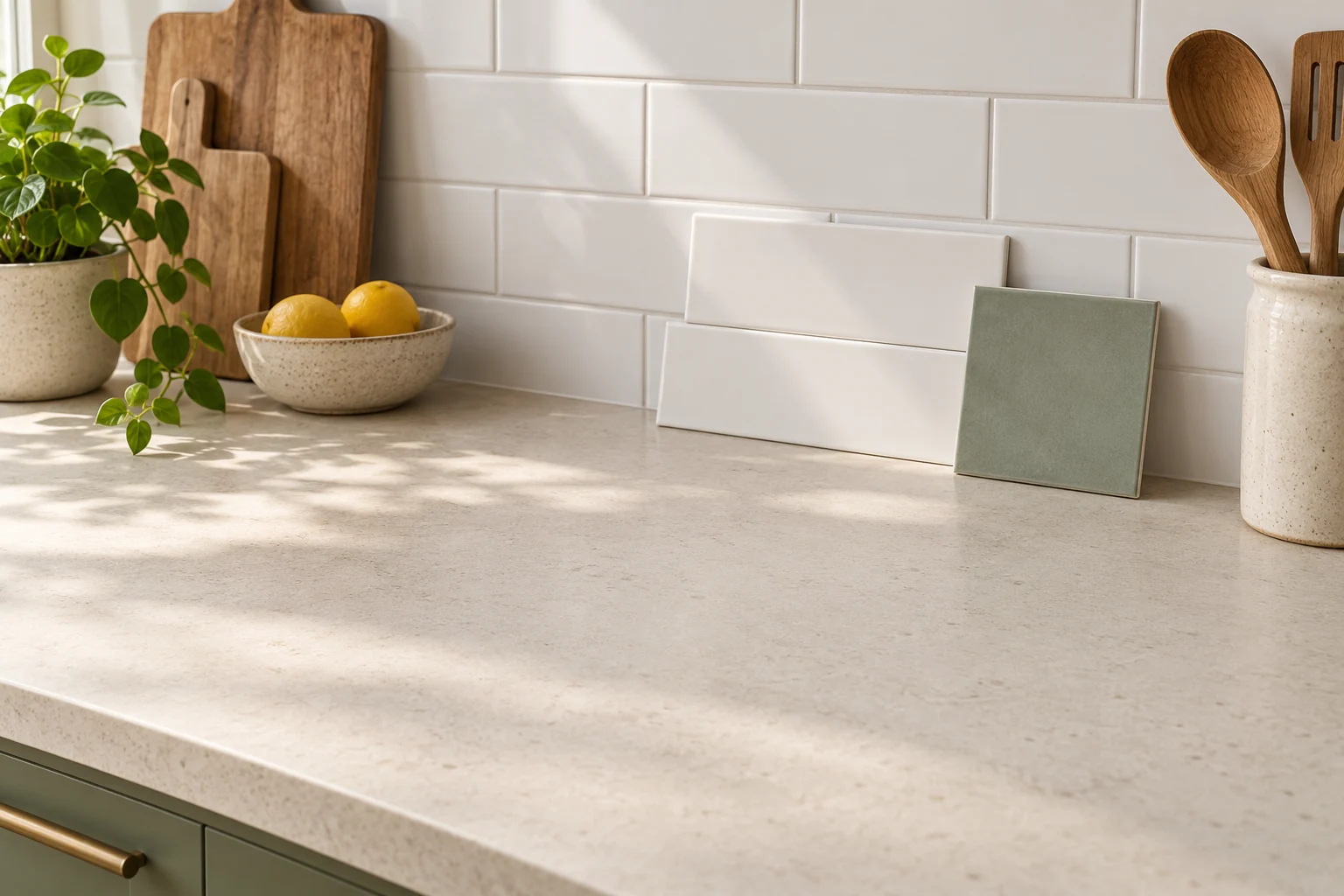
Be selective with overlays, films, and coatings. Check the actual product’s permitted substrate, heat exposure, cleaning, and intended contact conditions. A decorative covering should not be assumed suitable around every cooking surface or capable of repairing a damaged counter.
Compare the whole installed saving
For a ready-to-assemble cabinet option, include assembly, missing-part handling, finishing pieces, delivery, and installation. For a discounted appliance, confirm the exact model’s condition, warranty, connections, and fit. A saving on the purchase can disappear if it requires unplanned service changes.
When comparing contractor alternatives, ask what work is removed or simplified and what remains complete. “Cheaper cabinets” is less useful than a revised inventory with the same required storage. Do not delete necessary plumbing, electrical, support, or repair work to preserve a decorative upgrade.
If an offer uses a standard cabinet package, our small kitchen cost guide explains the exclusions to check before comparing it with an installed kitchen proposal.
Phase by dependencies instead of shopping urgency
Small improvements can be phased when they remain useful in the intended final kitchen. New compatible hardware, a storage insert, or a carefully chosen finish change may stand alone. A custom counter, relocated sink, or new flooring edge may tie directly to decisions elsewhere.
Write the next likely phase beside each purchase. Will this item stay, be modified, or be discarded? Set a limit for temporary work so a short-term cosmetic fix does not consume the funds needed for a lasting correction.
The budget is doing its job when you can name the problem solved, the complete cost, and the parts you will keep. That is a stronger basis for spending than a collection of individually discounted upgrades.

Ethan Miller
Ethan Miller writes about home improvement, interior design, cleaning, and everyday living at Home & Living Daily. He shares practical tips and simple ideas to help readers create more comfortable and functional homes.