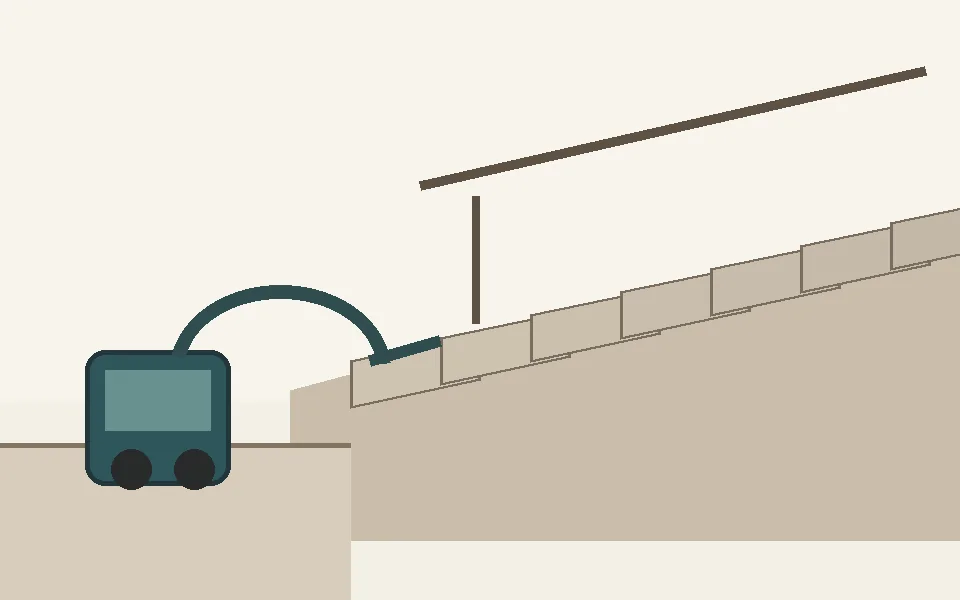
A portable carpet spot cleaner with a hose and a hand tool is usually the easiest type to maneuver on carpeted stairs. Before choosing one, check the tool shape, hose reach, filled weight, tank design, and the machine maker’s stair instructions. A large upright can also work if it has a suitable hose attachment and can stay stable on a landing; never balance a machine on a step.
This guide explains what to compare and how to clean stairs with a carpet extractor. It is a buying and care guide, not a hands-on product ranking: we have not tested individual machines on a staircase.
What matters in a carpet cleaner for stairs?
A hand tool that fits the tread and stair nose
Look for a compact upholstery or stair tool that can reach the tread, the vertical riser, and the curved nose without forcing your wrist into an awkward angle. A narrow head may fit tight corners; a wider head can cover a broad tread faster. If a model includes a dedicated stair attachment, check whether it is compatible with that exact machine and whether replacement parts are available.
Practical hose and cord reach
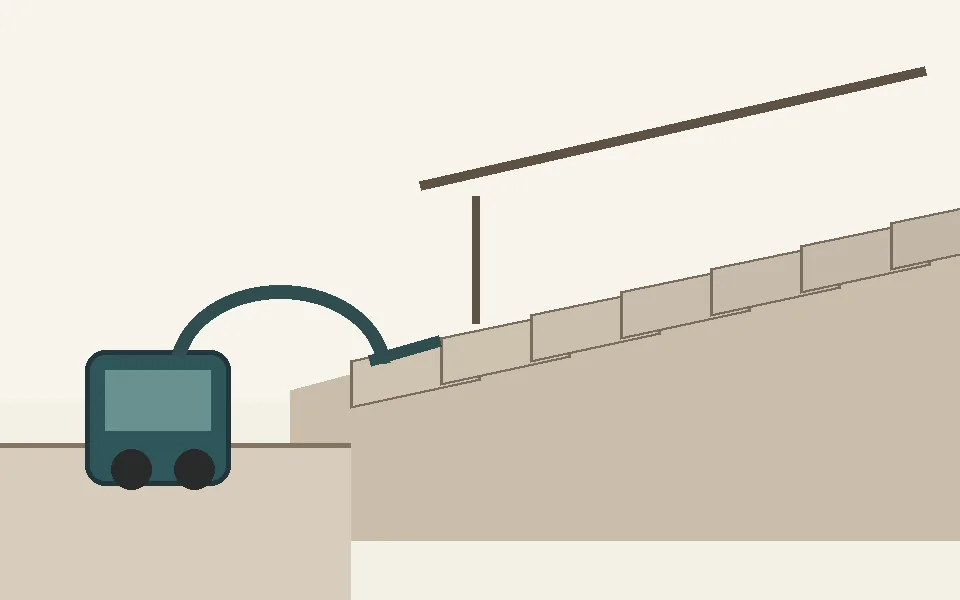
Measure from a safe, level place for the machine to the farthest step you need to reach. Compare that distance with the usable hose length, then check cord reach and outlet placement separately. A long hose may reduce repositioning, but it does not make it safe to stretch across a landing or pull a heavy unit by its hose. For a cordless model, compare runtime with the number of steps you plan to clean and allow for pauses or a second charge.
Carry weight, tanks, and controls
Check the cleaner’s weight when empty and think about how heavy it will feel after adding water. A carry handle and a secure tank latch matter if you must move it between floors. Separate clean- and dirty-water tanks make the process easier to manage; wide openings and simple-release parts make rinsing less fiddly. Controls should be reachable while you hold the tool without needing to lean over the stair edge.
Portable spot cleaner or full-size carpet cleaner?
- Portable spot cleaner: a good fit when stairs, upholstery, car seats, and spills are the main jobs. It is easier to place on a landing, though the smaller tanks may require refills and emptying.
- Full-size extractor with a hose tool: worth considering if you also clean large carpeted rooms. Confirm that the manual permits above-floor or stair use and that the base can sit securely on a landing while you work.
- Rental or professional service: consider this for a full flight with embedded soil, recurring odor, delicate carpet, or a machine that is difficult to position safely. Follow the carpet manufacturer’s warranty and care instructions.
Do not choose by suction claims or tank capacity alone. On a staircase, controllable reach and safe placement can matter more than a larger floor head.
How to clean carpeted stairs with a portable extractor
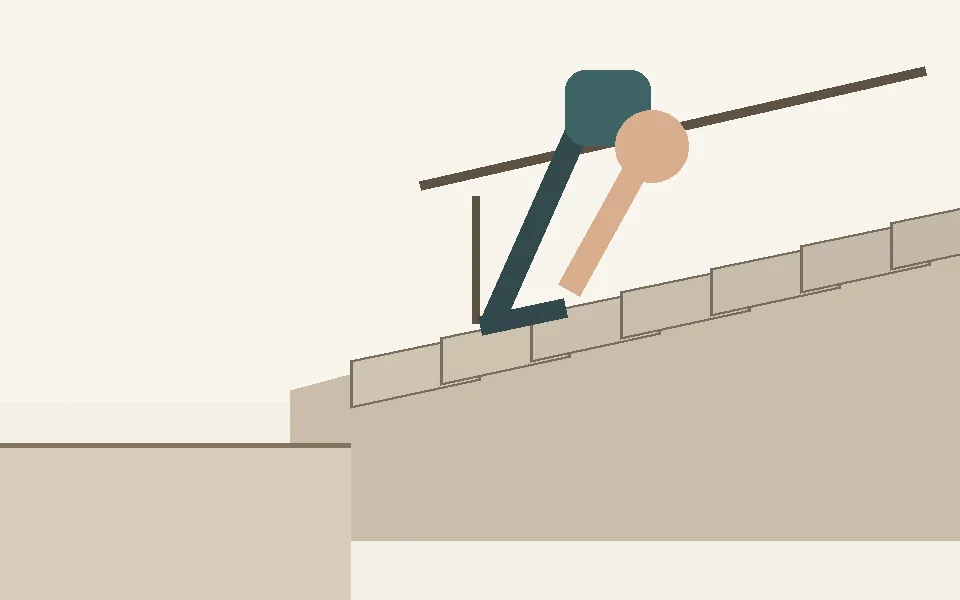
- Read both sets of instructions. Check the carpet maker’s care guidance and the cleaner manual. Confirm the fiber and backing are compatible with wet extraction, and use only the recommended solution and dilution.
- Test first. Apply the solution in an inconspicuous area and let it dry to check for color change or texture damage. Follow the product label. This is especially important for wool, natural fibers, and older carpet.
- Vacuum thoroughly. Remove loose grit, hair, and debris before adding moisture. Use a stair or hose attachment and work carefully around edges.
- Set up on a stable, dry landing. Keep the machine on a level surface where it cannot slide or tip. Keep the cord and hose out of your walking path. Use a spotter if the layout makes handling awkward.
- Clean one step at a time. Work from the upper steps toward the bottom so you do not need to cross freshly cleaned stairs. Use short, controlled strokes and the tool’s spray and extraction directions. Apply only enough liquid to clean the carpet; make additional suction-only passes if the manual allows.
- Let the carpet dry fully. Keep people and pets off the stairs while damp. Ventilate the area or use a fan placed safely on a landing, and do not assume a machine’s advertised dry-time applies to your carpet or conditions.
- Rinse and store the tool. Empty and rinse tanks, clean the attachment, and flush the hose only as the manufacturer directs. This helps prevent residue and stale odors.
Common mistakes to avoid
- Using an upright’s floor head on a tread: use the approved hose tool and follow the manual’s stair precautions.
- Over-wetting the carpet: too much solution can leave residue and lengthen drying. Make slow extraction passes and follow the cleaner’s directions.
- Scrubbing a stain hard: blot spills first and avoid aggressive brushing that can distort carpet fibers.
- Mixing cleaning products: use the formula specified for the machine; do not add household chemicals or extra detergent unless the manufacturer explicitly permits it.
- Walking on wet steps: damp carpet can be slippery. Keep the staircase closed until it is fully dry.
When a portable cleaner is not enough
Repeated pet accidents, lingering odor, widespread discoloration, or a stain that returns after drying may need a carpet-specific treatment or professional assessment. For urine, avoid heat unless the carpet and cleaning-product instructions specifically recommend it; use a method designed for the stain and seek a professional if odor remains. The Carpet and Rug Institute recommends regular vacuuming of high-traffic areas and using carpet-compatible products according to their directions.
For routine soil, vacuuming often and treating spills promptly can reduce how often you need a deep clean. A portable extractor is most useful when you can place it securely, reach each step without strain, and control how much moisture goes into the carpet.
Sources and further reading
- The Carpet and Rug Institute: Cleaning and Maintenance
- The Carpet and Rug Institute: Carpet and Rug Care Guide
- BISSELL: How to Clean Carpet on Stairs
- Rug Doctor: Portable Spot Cleaner Instructions
Related home care: Cleaning & Organizing guides.

Ethan Miller
Ethan Miller writes about home improvement, interior design, cleaning, and everyday living at Home & Living Daily. He shares practical tips and simple ideas to help readers create more comfortable and functional homes.