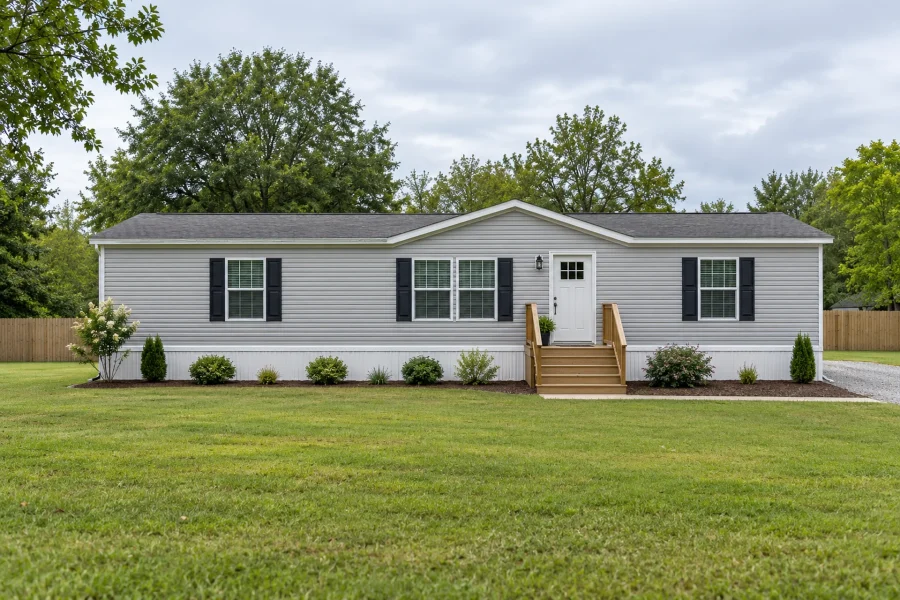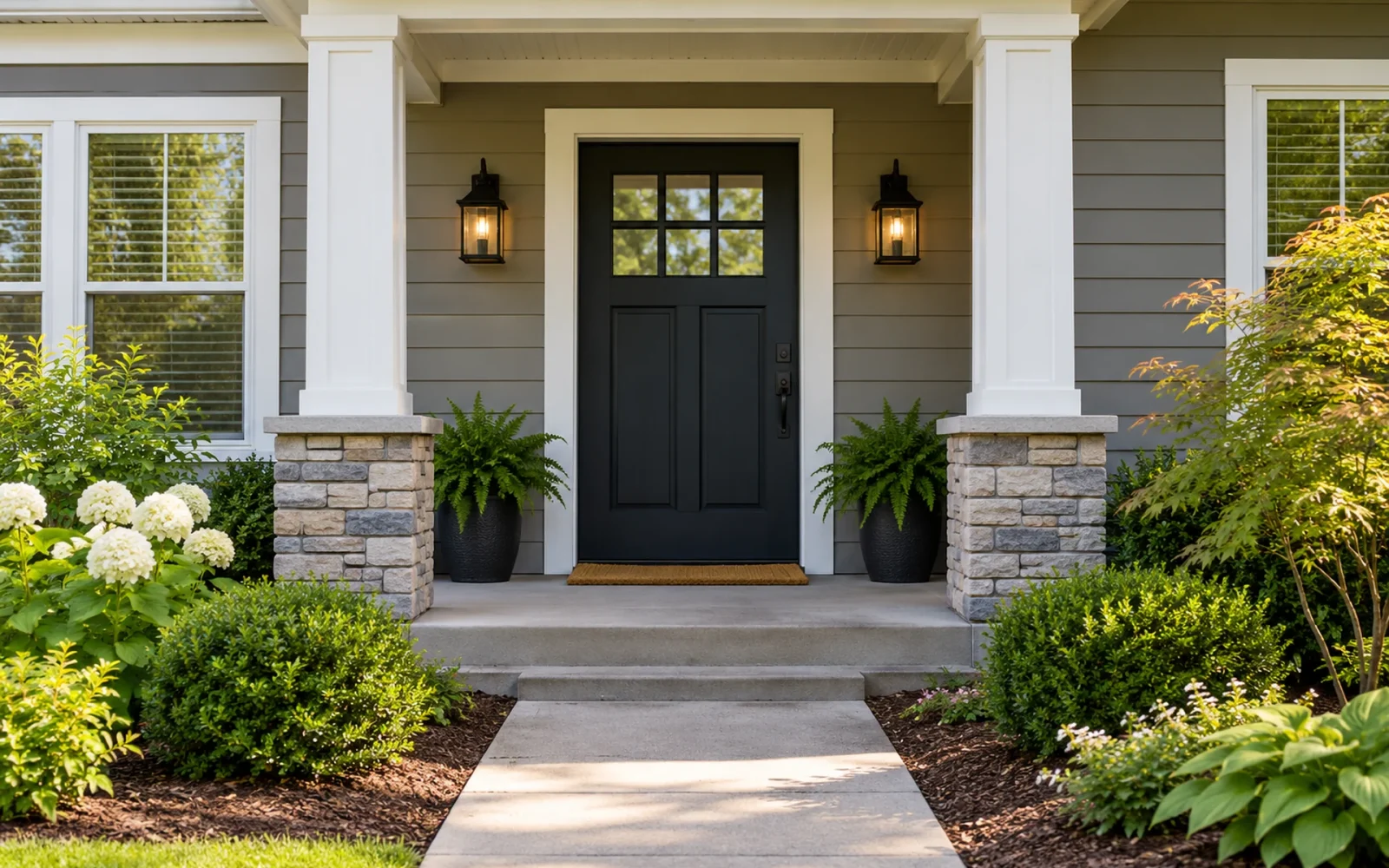
The home improvements that add the most useful value are usually those that address a real weakness in the property, improve how it works, and suit local buyer expectations. National cost-recovery reports can help you compare project categories, but they cannot rank the best purchase for every home.
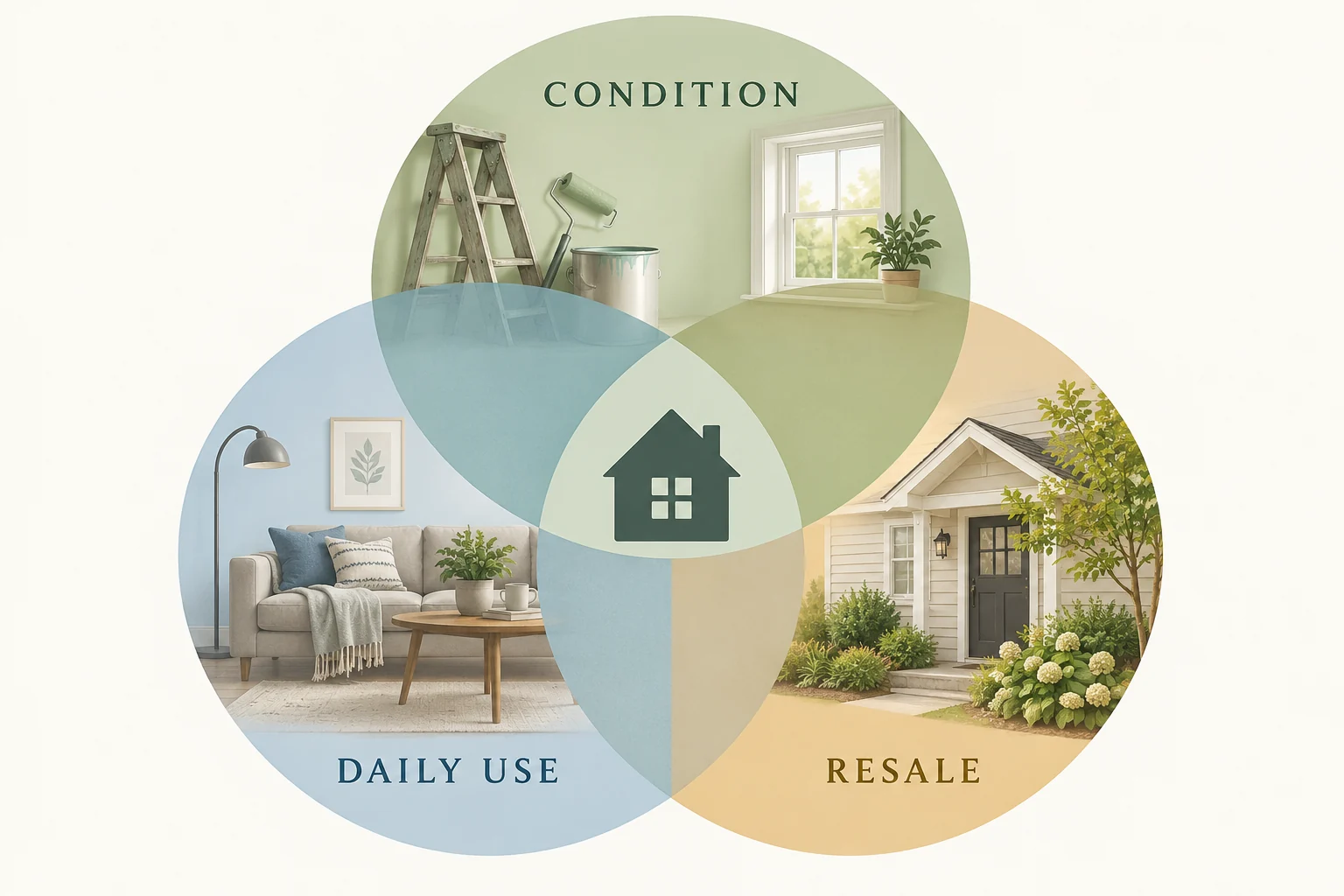
Begin with condition, then decide whether your main goal is continued use or a near-term sale. A sound roof, a comfortable room, and a fashionable finish provide different kinds of value and should not compete solely on a headline return percentage.
Resolve the condition problem before the optional upgrade
Investigate leaks, recurring dampness, deteriorated materials, and unreliable building systems before covering or decorating them. Fixing a cause and improving its appearance are separate tasks. A tidy finish can hide a problem without resolving it.
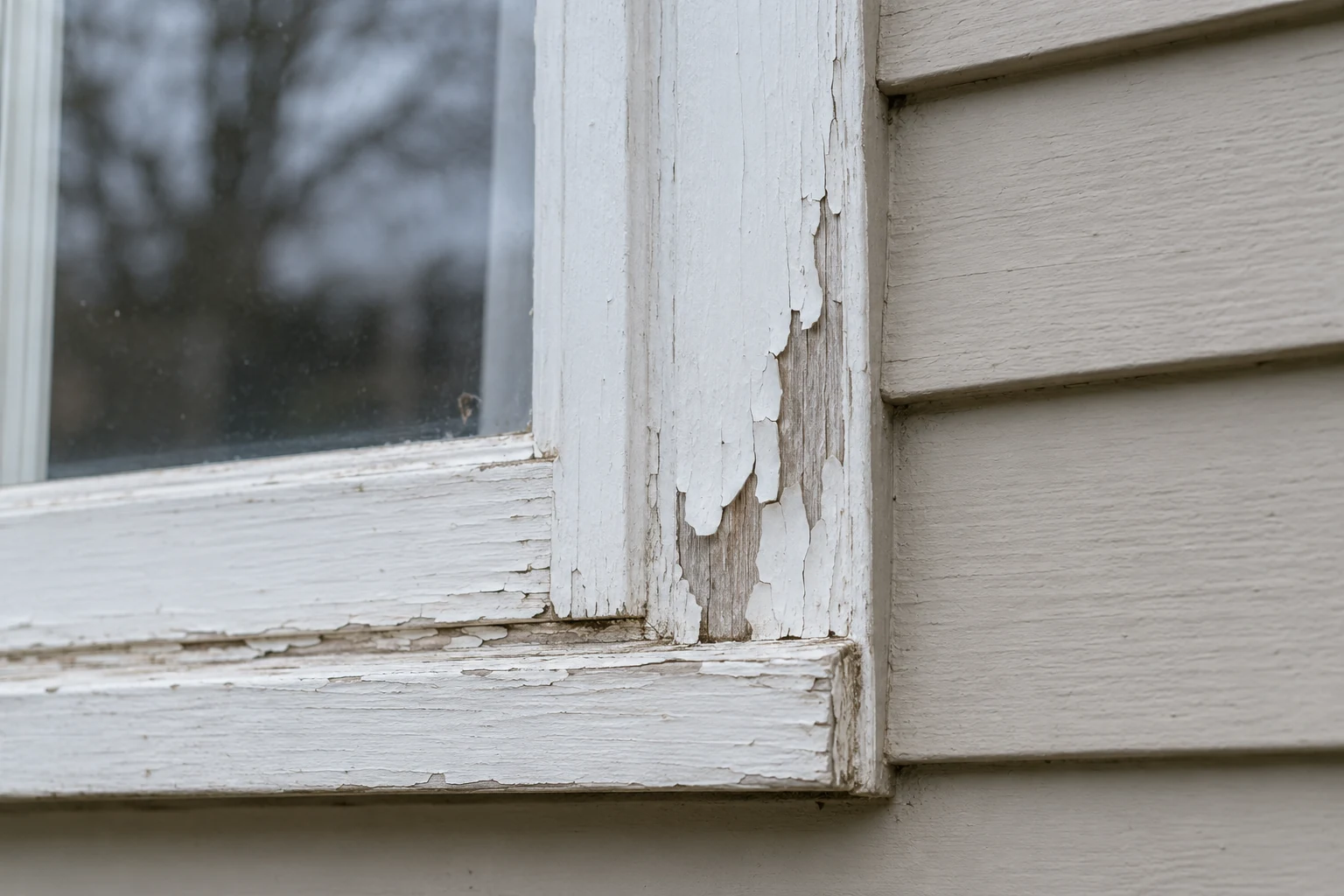
A necessary repair may be a sensible priority even when it does not lead a resale ranking. If the roof needs work, price its actual condition and replacement scope. Our new roof cost guide explains measurement, assembly details, hidden repairs, and comparable proposals.
Retain a record of the assessment, work, and relevant completion documents. Do not interpret a defect correction as a guaranteed sale-price increase; the practical outcome may be a more dependable home and fewer unresolved questions.
Use published recovery figures with their meaning attached
The 2025 NAR/NARI Remodeling Impact Report summary offers the following selected estimates. They describe cost recovery for its project categories, not percentage increases in an entire home’s price.
| Selected project | Estimated cost recovery in the 2025 report |
|---|---|
| New steel front door | 100% |
| Closet renovation | 83% |
| New fiberglass front door | 80% |
| New vinyl windows | 74% |
These are dated benchmarks, not quotes or promises for your property. The report does not establish that replacing a sound door is a better decision than repairing a failing roof. A high percentage on a smaller project can also represent fewer dollars of added value than a lower percentage on a much larger project.
Cost recovery compares estimated resale value added with project cost. For hypothetical arithmetic, recovering $6,000 of a $10,000 project is 60% recovery, leaving $4,000 unrecovered through that measure. This is a calculation example, not a forecast.
When another report gives a different figure, check its year, geography, project specification, and estimation method. Do not average unrelated percentages or select the largest one to justify a preferred design.
Choose functional improvements by the problem they solve
Useful storage, a workable kitchen route, an appropriate bathing arrangement, or better room comfort can justify a project for the household. Compare a focused change with full reconstruction. The smaller alternative may solve the same difficulty without disturbing sound components.
For comfort or energy work, establish what is causing the problem. A replacement window, attic treatment, air sealing, and equipment adjustment are different measures. Our home insulation guide explains using an assessment to locate weaknesses before choosing materials. Do not assume a fixed bill saving or payback period without information relevant to the house.
Keep maintenance in the comparison. A new surface or outdoor feature can improve appearance while adding cleaning, care, or seasonal work. Value for the household includes living with those obligations.
For an upcoming sale, ask what the local market is missing
Have a local real estate professional compare similar recently sold homes and identify whether your property’s condition or function is noticeably below buyer expectations. Price the work needed to address that weakness before adding premium features.
Presentation improvements can be worth considering when the underlying home is sound. Repairs to worn finishes, consistent lighting, a clear approach, and suitable decoration should respond to the property. An online claim about one paint color does not establish what buyers will pay for yours.
Compare the complete cost and listing implications of repairs only, a restrained refresh, and a larger renovation. If you will not use the finished result for long, personal customization has less time to provide a household benefit.
Rank actual proposals rather than abstract projects
For each candidate, record the problem solved, complete installed cost, remaining uncertainty, maintenance, disruption, and expected period of use. Separate necessary work from optional upgrades and identify what can be deferred without causing later rework.
Choose the project whose case remains convincing without an optimistic resale promise. The strongest priority is one you can connect to the home’s condition, your daily needs, and credible local evidence.

Ethan Miller
Ethan Miller writes about home improvement, interior design, cleaning, and everyday living at Home & Living Daily. He shares practical tips and simple ideas to help readers create more comfortable and functional homes.