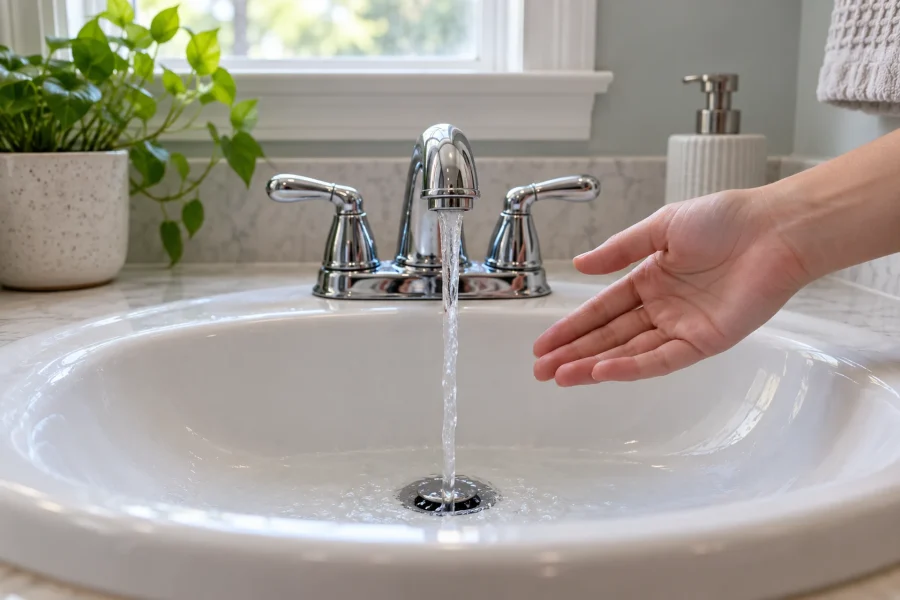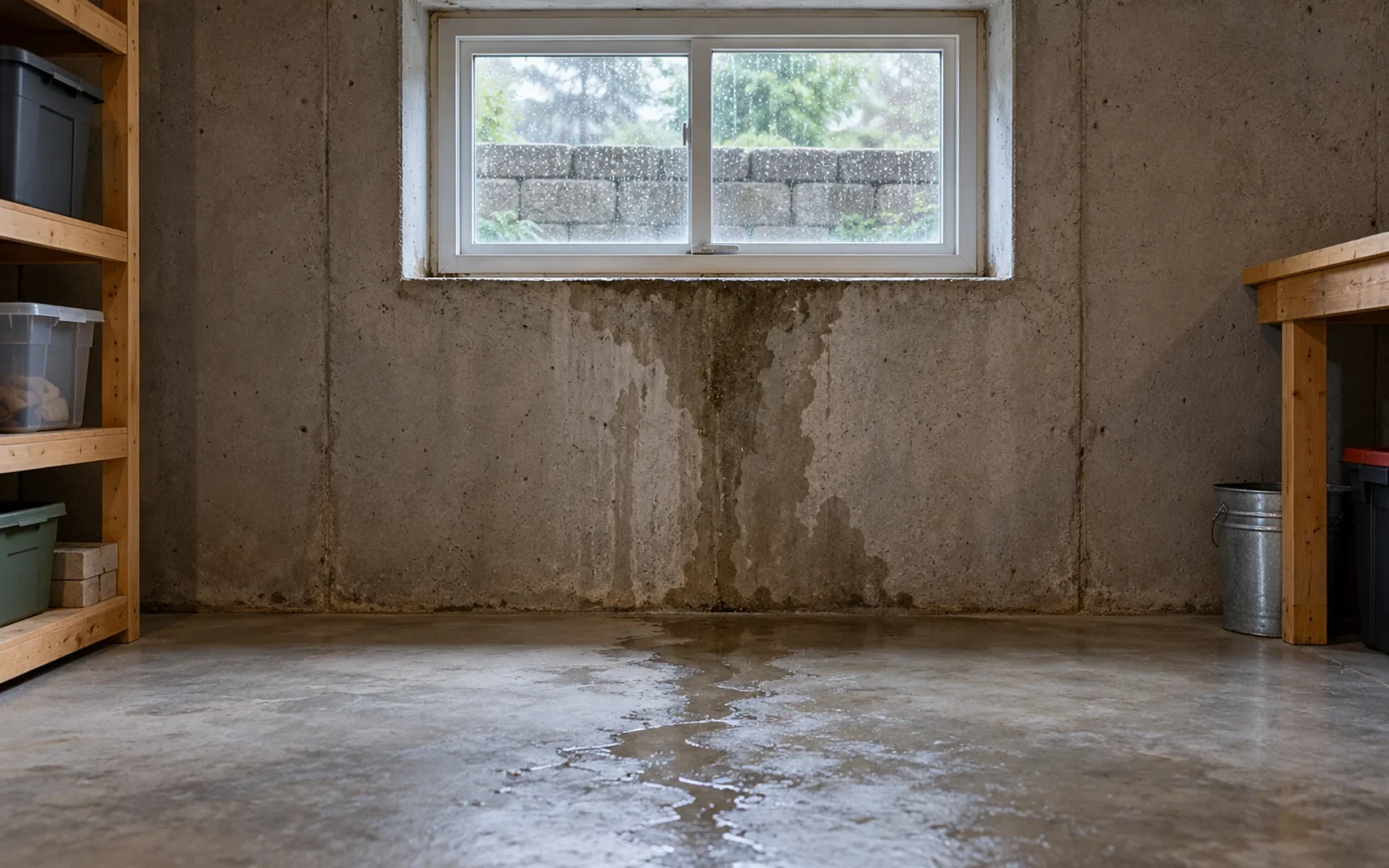
To find why water is coming into your basement, record when it starts and where it first appears. Rain-related entry, a plumbing leak, drain backup, and condensation need different responses. The deepest puddle is often a collection point rather than the source.
If standing water could be in contact with electricity, stay out. The CDC’s flooded-home guidance says to call an electrician if reaching the main shutoff would require entering standing water. Do not plug in a pump or wet vacuum while standing in water.
Capture the first clue before cleanup erases it
When the area is safe to observe, photograph the first wet spot, a wider view of the wall or floor around it, and the corresponding outside location. Record the time, recent rainfall, and whether a fixture or appliance was running. A short video of the water’s first appearance can be more useful than a photograph of a later puddle.
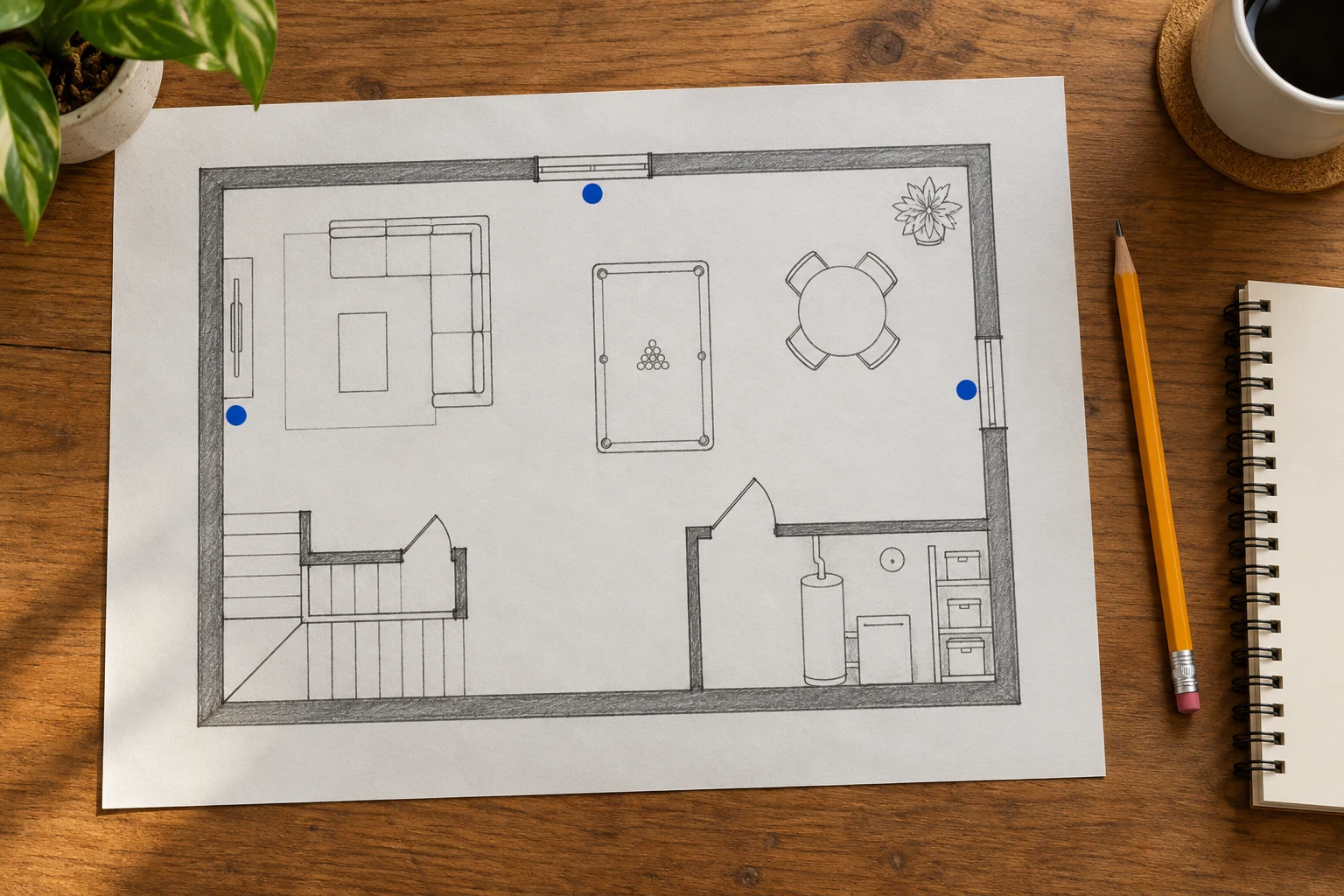
Mark the location on a simple floor plan. Include nearby windows, pipes, drains, the sump basin, and finished walls that hide the foundation. Repeat the record during another event if the source remains uncertain. Do not open electrical equipment or enter contaminated water to improve the evidence.
Use timing and location together
| Pattern you observe | Possible explanation | Useful next check |
|---|---|---|
| A wet track beneath a window during rain | Window-well drainage, runoff, or an opening around the window | Observe the well and surrounding grade from a safe exterior position |
| Water at a wall crack or floor perimeter after prolonged rain | Groundwater or runoff reaching a vulnerable foundation detail | Compare exterior water paths and the condition of any existing drainage system |
| A localized leak when a fixture or appliance runs | Supply, waste, appliance, or condensate-line leakage | Arrange a plumbing or equipment inspection tied to that use |
| Water rising from a floor drain or several fixtures draining poorly | A drainage obstruction or backup | Stop using affected fixtures and contact a plumber or the relevant sewer service |
| Broad dampness on cool surfaces in humid weather | Condensation, possibly alongside another source | Compare room humidity, surface conditions, and the absence or presence of a distinct entry path |
These are leads, not diagnoses. Water can travel behind finishes, along a pipe, or across the floor before becoming visible. A crack can be the exit point for water without being the whole cause. A previously dry wall can also become wet after exterior conditions change.
After heavy rain, inspect the route water takes outside
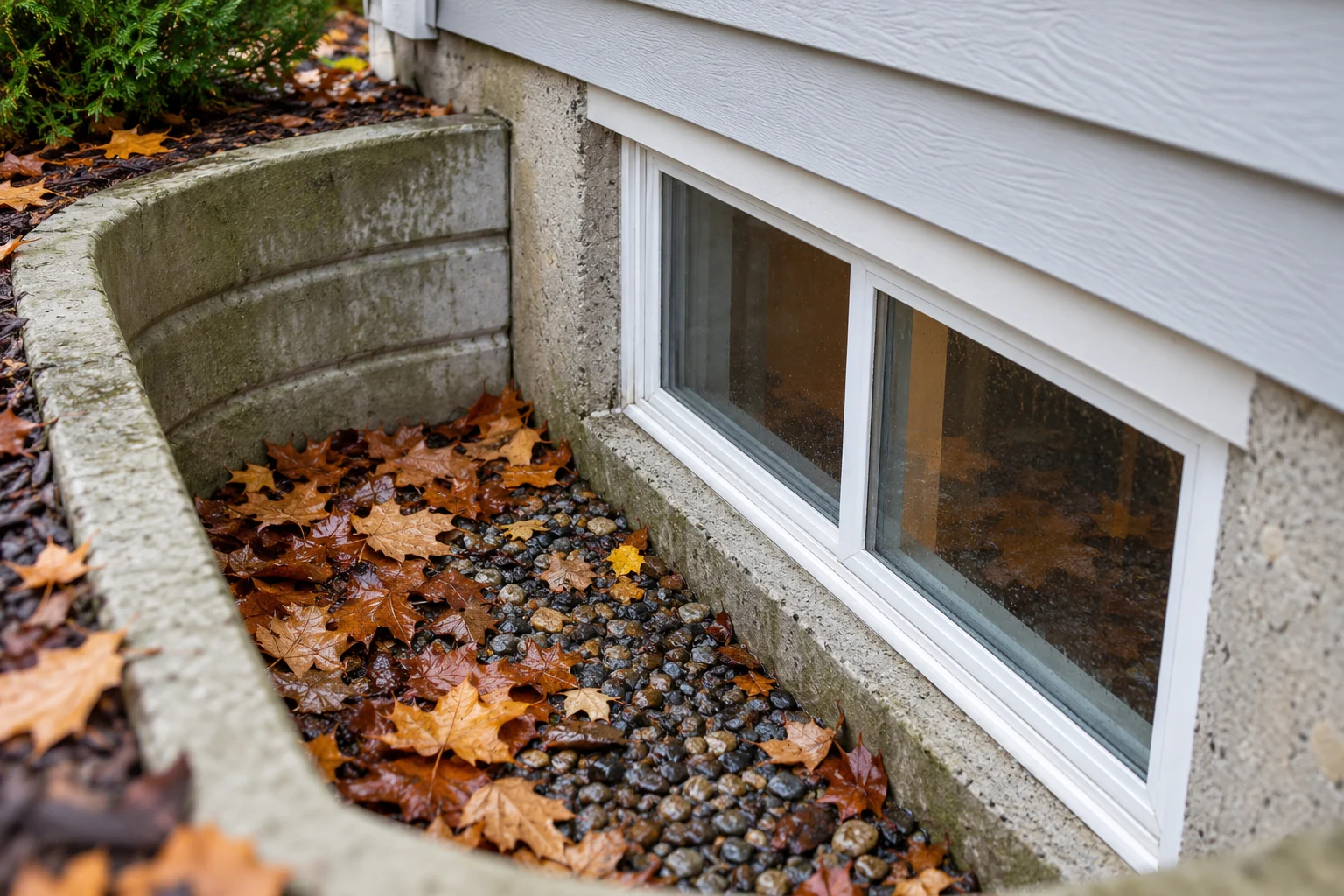
From safe ground, look for overflowing gutters, a disconnected downspout, pooling beside the foundation, settled paving, and a window well collecting runoff. Record what happens during rain if you can observe without climbing or entering a hazardous area.
A drain outlet deserves attention too. Is it obstructed or discharging where water can return toward the house? Do not disconnect or redirect a system without understanding its intended destination and local requirements. A visible discharge pipe is not proof that the underground drainage system is functioning.
During dry weather, widen the investigation
Check whether water appears after laundry, showering, an appliance cycle, or air-conditioning operation. A contractor should inspect the relevant connections and drainage rather than automatically proposing foundation work.
Water that smells unusual or comes up through a drain should not be treated as clean rainwater. Keep people and pets away from suspected contamination and have the backup assessed. Clear-looking water is not a reliable assurance of safety.
Call the professional who can test the leading explanation
For a fixture-linked leak or drain backup, start with a plumber or the responsible utility. For repeated rain-related entry through the foundation, a waterproofing or drainage specialist can evaluate the water path and existing systems. Movement, a bowed wall, or a changing crack may also require structural assessment before a surface repair is chosen.
Give each contractor the same observations. Ask what supports the proposed diagnosis, what alternative cause was considered, and how the recommended work addresses the observed entry. A proposal that names a product without explaining the water path is difficult to evaluate.
Once the cause is established, our basement waterproofing planning guide explains how runoff changes, crack treatment, drainage, and pumping fit different situations.
Judge the correction against the event that caused the leak
Drying the room is necessary, but it does not establish that entry has stopped. Keep access to the affected area and compare it during the next relevant rain or plumbing-use event. Record whether the first wet spot returns, whether a new spot appears, and whether a collection system is operating as intended.
Delay permanent finishes until the cause, cleanup needs, and repair performance are clear. The strongest next step is usually the one that explains the evidence you have, rather than the largest waterproofing package available.

Ethan Miller
Ethan Miller writes about home improvement, interior design, cleaning, and everyday living at Home & Living Daily. He shares practical tips and simple ideas to help readers create more comfortable and functional homes.