“Patio tile” can describe thin tile bonded to concrete or thicker outdoor pavers laid over an aggregate base or pedestal supports. Those are different products and installation systems. Choose the system first, then select a surface that is approved for that use.

Outdoor patio tile options at a glance
| Material | Best fit | What to weigh |
|---|---|---|
| Outdoor porcelain pavers | A consistent stone, concrete, or wood look with relatively simple surface care | Buy a product specifically rated for exterior floors; confirm climate, traction, thickness, and installation method. Porcelain can be hard to cut and may chip at exposed edges. |
| Natural stone pavers | Distinct color and texture variation that feels integrated with a garden | Performance and upkeep vary by stone and finish. Ask about freeze-thaw suitability, sealing, cleaners, and replacement availability. |
| Concrete pavers | A modular patio where individual units can be lifted or replaced | Color and surface can weather; joints need maintenance. The base and edge restraints help limit shifting. |
| Quarry or other exterior-rated ceramic tile | A particular look or application supported by the product manufacturer | Do not assume a standard indoor ceramic tile belongs outdoors. Confirm the exact exterior-floor rating and local climate suitability. |
Porcelain has a useful low-absorption body, but no material label makes a product automatically suitable. The Tile Council of North America (TCNA) says exterior suitability must be confirmed for the specific tile, and that drainage, setting materials, and movement accommodation matter to the complete assembly.
Choose the installation system before the surface
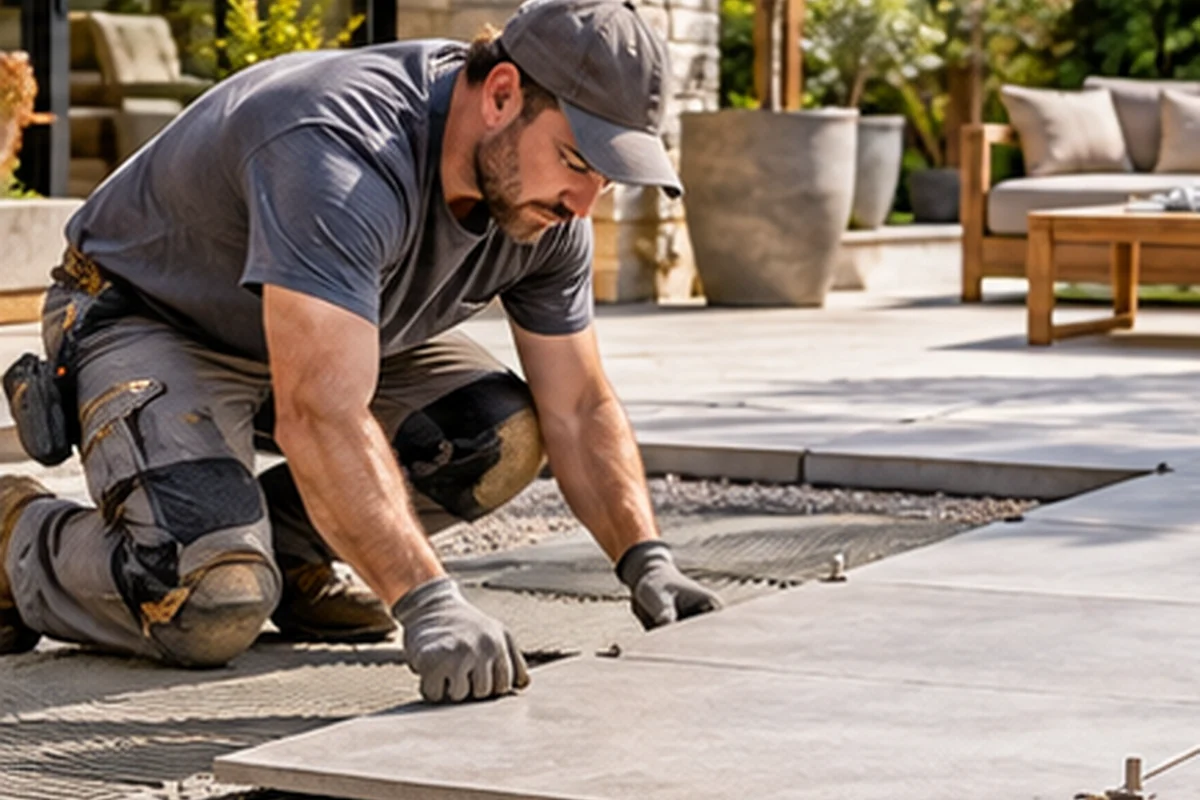
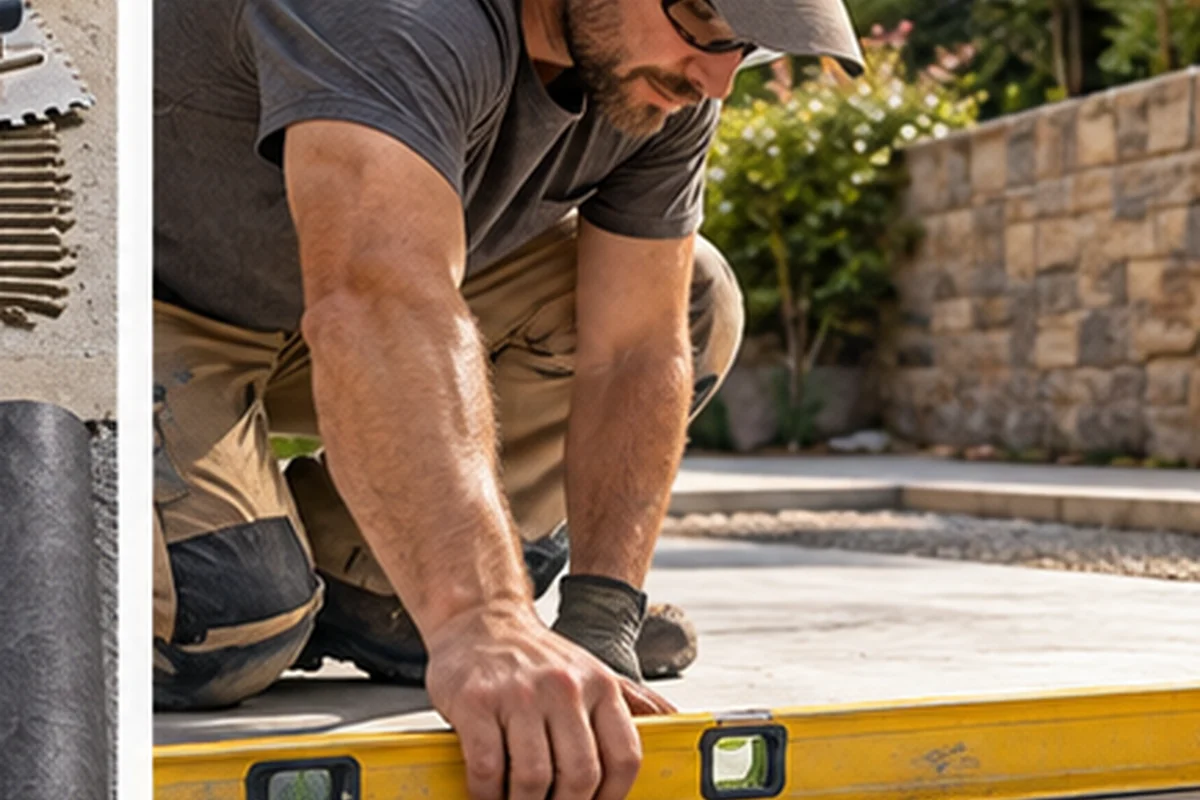
The same-looking paver may be designed for one installation method and unsuitable for another. Follow the product’s instructions, local requirements, and the system manufacturer’s details. A patio that holds water or moves under load can fail even when the visible tile is appropriate.
Bonded over an existing concrete slab
This can work when the slab is sound, stable, clean, and able to drain away from the home. The installer needs an exterior-rated mortar and grout system, proper coverage, and movement joints that account for sun and seasonal temperature changes. Cracks, coatings, poor slope, and slab movement need to be addressed before tile goes down. TCNA notes that exterior walkway installations call for high mortar contact and exterior-rated setting materials; the exact method should match the project.
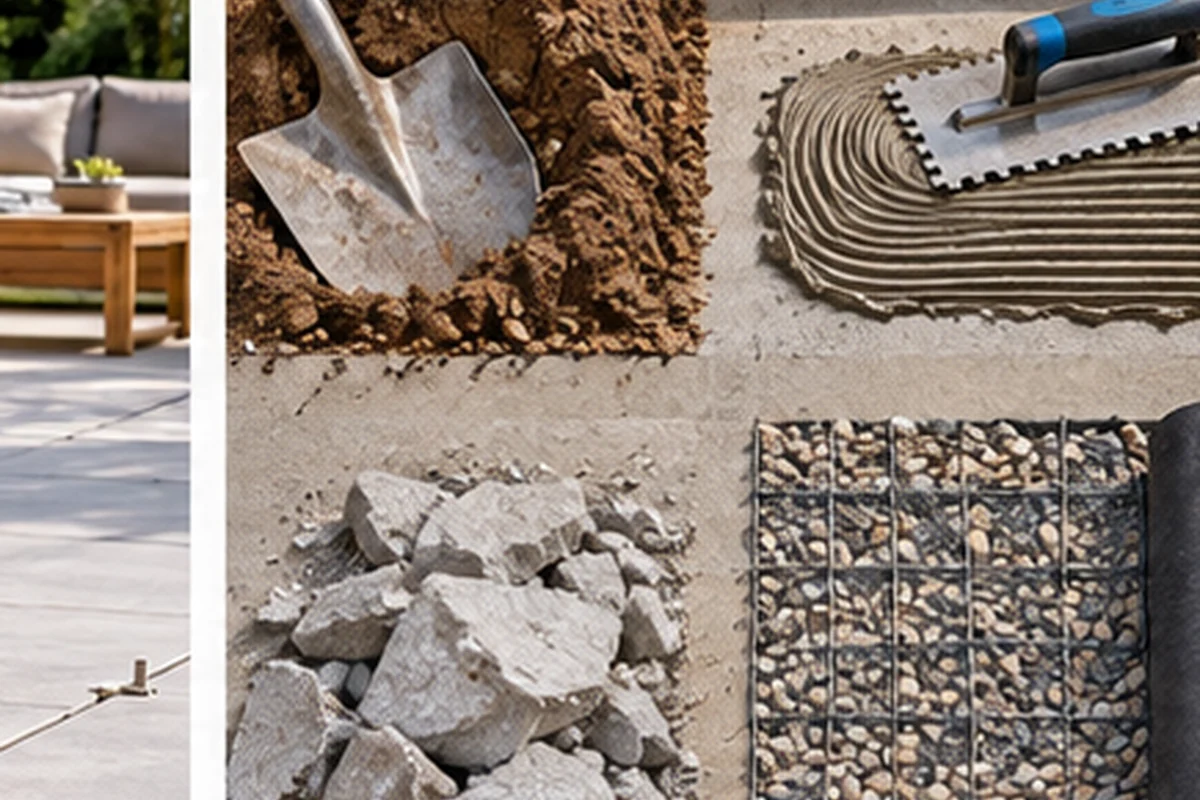
Dry-laid over a prepared aggregate base
Some thicker porcelain pavers are designed to be laid without bonding mortar over a properly prepared gravel or open-graded aggregate base. This can provide a permeable joint system and make individual units accessible, but the base still needs compaction, a stable edge, an intentional slope, and a product-approved joint detail. Do not transfer a thin tile’s instructions to a dry-laid paver.
Raised on pedestals over a deck or terrace
Pedestal systems can create a level walking surface above a sloped waterproof deck and allow access to drainage or utilities below. The deck structure, waterproofing, paver thickness, pedestal spacing, wind exposure, and edge restraint need to be designed together. Have a qualified designer or installer confirm structural capacity and the manufacturer’s system requirements.
Check climate, water, and traction
- Exterior approval: Find an explicit exterior-floor use in the technical sheet for the exact product and proposed installation method. “Porcelain,” “matte,” or “thick” alone is not an exterior approval.
- Freeze-thaw exposure: In climates with freezing temperatures, ask for the manufacturer’s exterior and freeze-thaw guidance. TCNA cautions that water trapped in grout joints or voids under tile can damage even frost-resistant products.
- Drainage: Plan where rainwater goes at the surface and through the assembly. Keep water moving away from the home and avoid low spots, trapped moisture, and blocked drains.
- Wet use and slope: Ask the manufacturer for the appropriate ANSI A326.3 product-use classification, including Exterior, Wet where relevant. TCNA says a DCOF reading is only one consideration and does not predict whether a person will slip; slope, water, dirt, shoes, and maintenance also matter.
- Heat and sun: Dark surfaces and exposed slabs can become uncomfortable in direct sun. Review samples outdoors at different times of day, especially if the patio is used barefoot.
If the question is simply whether ceramic tile can work outdoors, see our guide to using ceramic tile on an outdoor patio. For traction details, rely on the product’s technical information and the site conditions rather than a one-number promise.
Match the look to maintenance and use
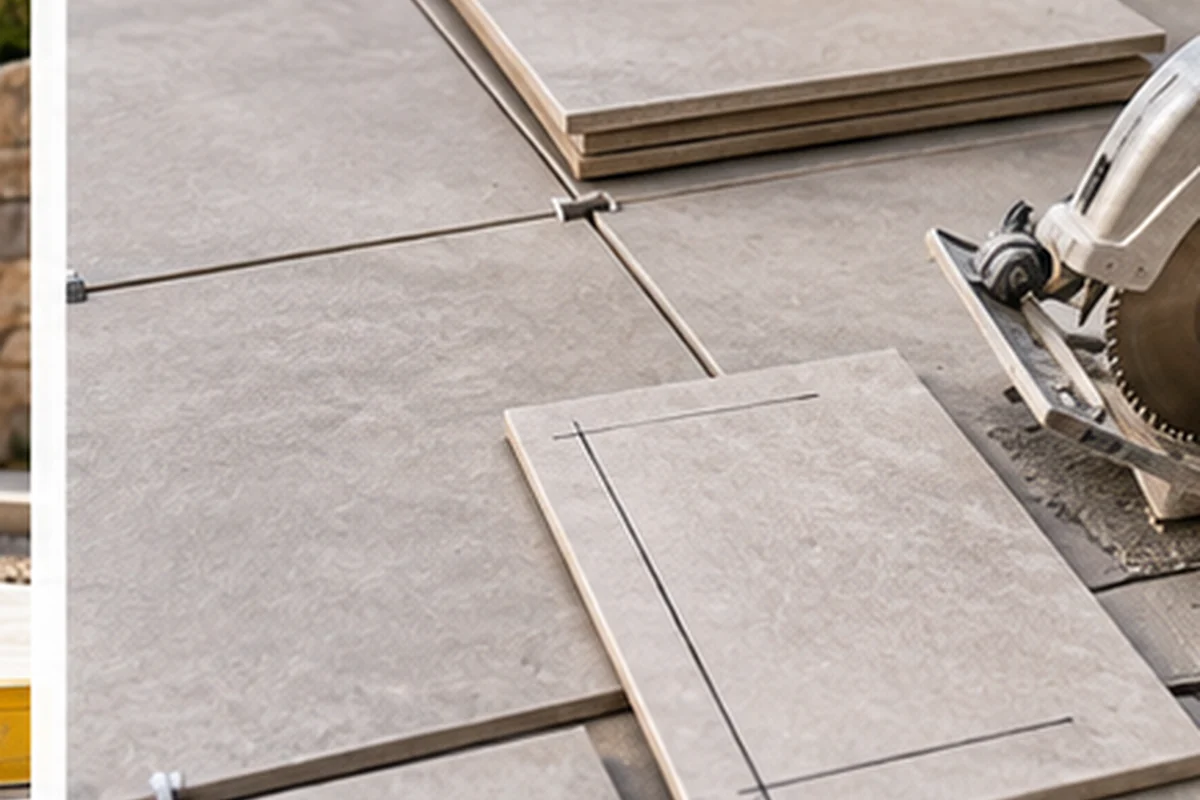
Large-format pavers can make a small patio feel quieter because they reduce the number of joints. Smaller modules can be easier to carry, replace, or arrange around curves. They also create more joints to sweep and maintain. Before ordering, dry-lay a sample layout and check border widths, step edges, door clearances, and the transition to lawn or decking.
Natural stone varies from piece to piece, which can be the point if you want an organic surface. But stone type and finish influence staining, cleaning, sealing, and weathering.
Ask what the surface feels like when wet, how it should be cleaned, whether a sealer is recommended, and how matching replacement units can be sourced. On a busy outdoor dining area, food spills and furniture movement may matter more than a showroom sample suggests.
Questions to ask before you buy
- Is this exact product approved for outdoor flooring and my local climate?
- Which installation methods does its manufacturer allow, and what base does each require?
- How does the planned assembly drain surface water and moisture below the pavers?
- What product-use and wet-traction guidance applies to my patio, including any slope or pool exposure?
- How are edges, steps, door thresholds, movement joints, and drains finished?
- What cleaning, sealing, joint maintenance, and spare-material plan does the manufacturer recommend?
Then compare bids on the same scope. Include demolition, base or slab preparation, drainage corrections, materials, cuts, edge details, joints, and cleanup.

Which patio tile is right for you?
Choose outdoor porcelain when you want a manufactured surface with consistent color and straightforward routine care, provided the product and base are approved for your conditions. Choose natural stone when its variation and character are worth the material-specific upkeep. Choose concrete pavers when modular repairability and a familiar paver system fit the project. For any option, product approval, drainage, stable support, and appropriate wet-use guidance matter more than the name on the box.
Before placing an order, get the product technical sheet and installation detail in writing. Confirm the patio’s drainage plan and ask the installer to explain how the base, joints, transitions, and edges work together. That decision does more to protect the finished patio than picking a tile by color alone.
Sources and further reading
- Tile Council of North America: Exteriors FAQ
- Tile Council of North America: Frost Resistance FAQ
- Tile Council of North America: Dynamic Coefficient of Friction FAQ
- Tile Council of North America: Movement Joint Placement
- Belgard: Professional Tips for Installing Outdoor Porcelain Pavers
- TileBar: Outdoor Porcelain Pavers Installation Guide

Ethan Miller
Ethan Miller writes about home improvement, interior design, cleaning, and everyday living at Home & Living Daily. He shares practical tips and simple ideas to help readers create more comfortable and functional homes.