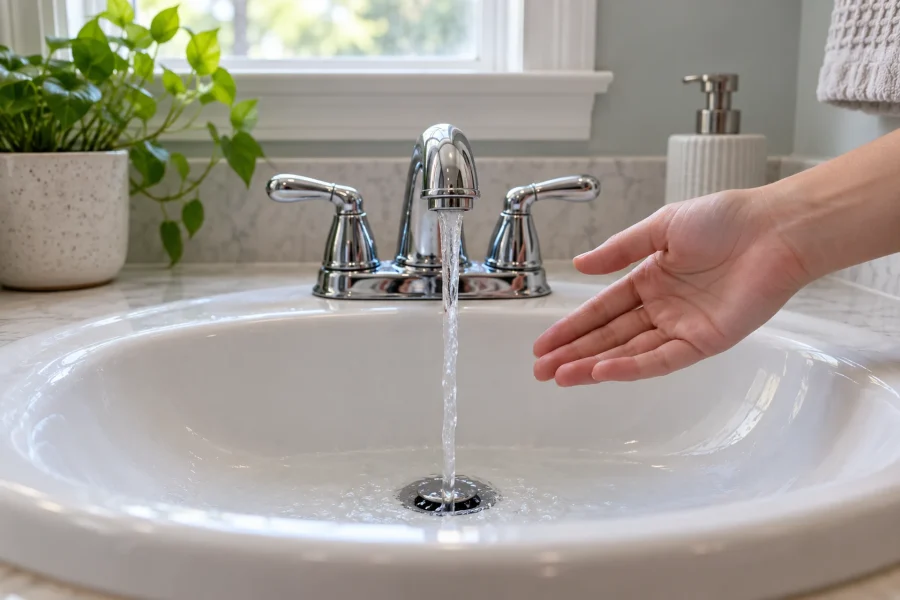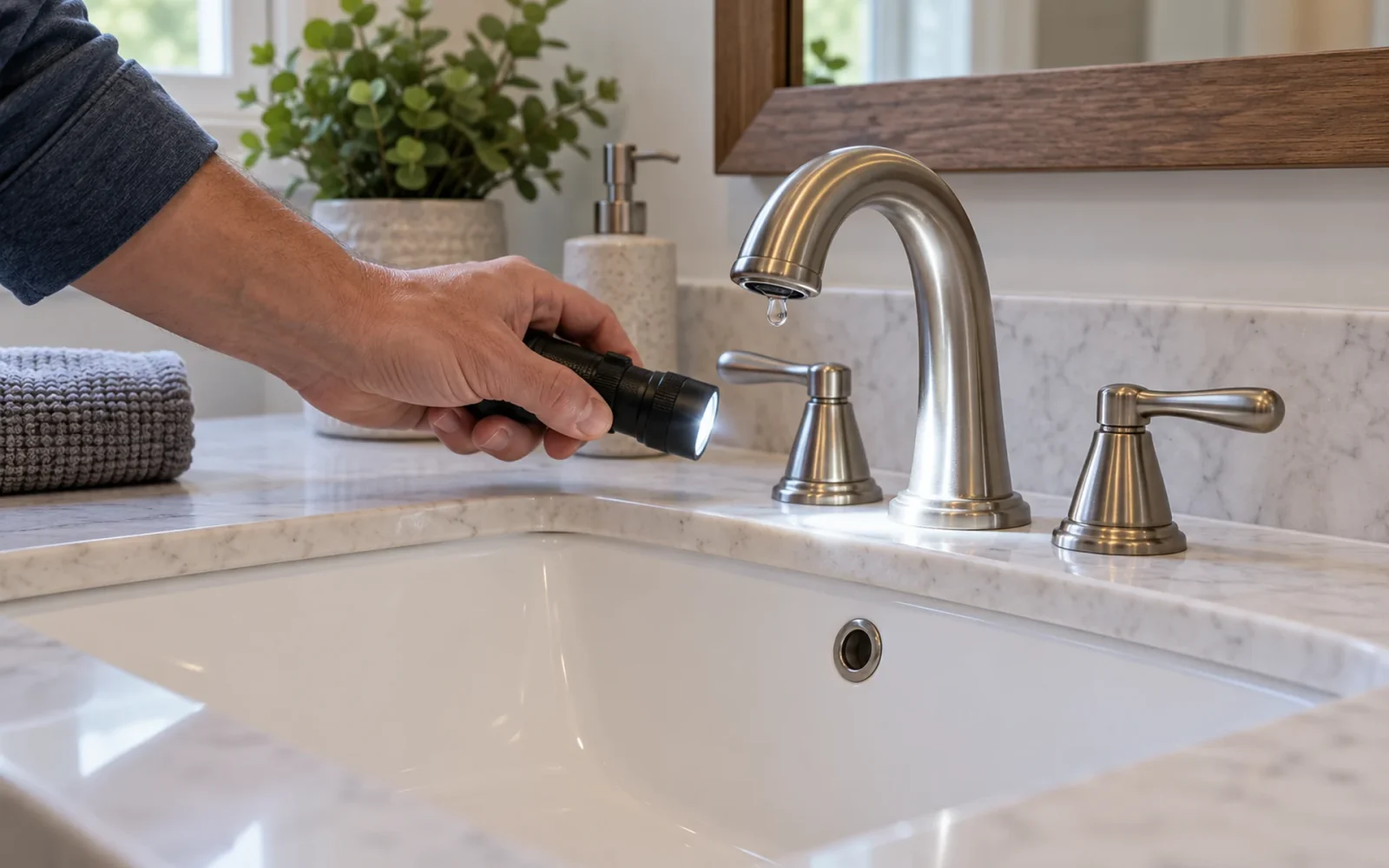
Maintain home plumbing by checking for small changes before they become urgent: drips, damp cabinet bases, running toilets, deteriorating hoses, and drains that no longer empty normally. Keep shutoffs accessible, follow the service instructions for your equipment, and have recurring symptoms investigated. A useful routine combines observation, sensible drain habits, and equipment-specific maintenance.
You do not need to dismantle the system to keep better records. The homeowner’s job is often to notice the first sign, know what it affects, and arrange the right response rather than repeatedly patching the same symptom.
Know the system before you need to stop the water
Locate the home’s main water shutoff and the individual fixture shutoffs you can access safely. Keep a clear route to them and show other household members where they are. If you cannot identify the correct valve, ask a plumber or the utility to explain the arrangement.
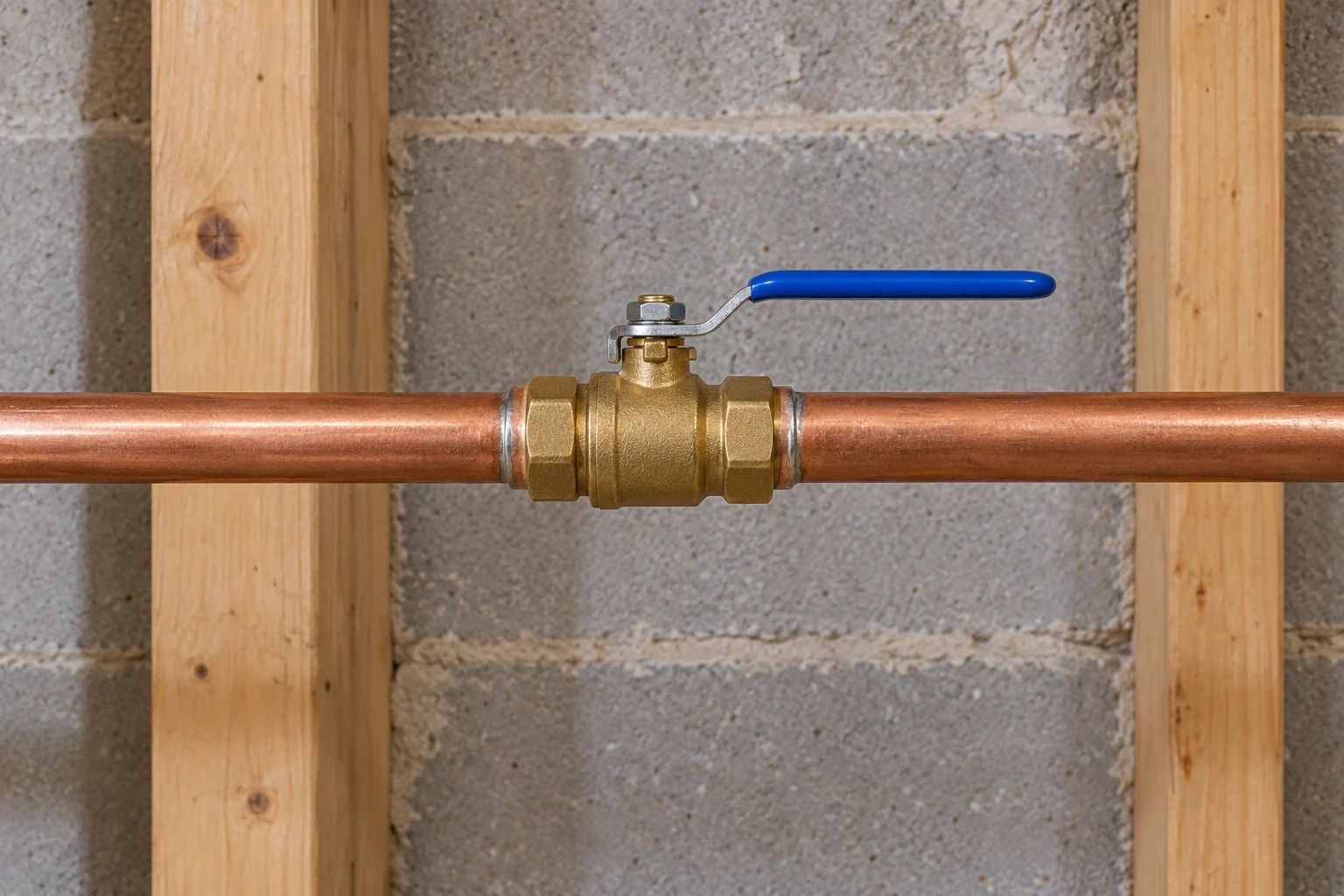
A valve that is corroded, stiff, or leaking needs assessment. Do not force an unfamiliar old valve merely to tick a maintenance box. Arrange a reliable shutoff before a planned fixture repair, and confirm which parts of the service are the utility’s responsibility.
Keep appliance model numbers, manuals, repair dates, and a plumber’s contact in one place. Note whether the home uses a public sewer or a septic system, and whether equipment such as a softener, filter, sump, or leak shutoff has separate maintenance requirements.
Add a short plumbing check to your regular routine
Choose a repeatable time, such as a monthly household check, and look again after relevant repairs or when something changes. This is a suggested observation routine, not a universal service interval for every component.
| Area | What to observe | Useful response |
|---|---|---|
| Under sinks | Fresh moisture, staining, odor, or damaged cabinet surfaces | Identify whether water appears during supply use, draining, or splashing; arrange repair |
| Toilets | Running between flushes, movement, or moisture at the base | Check the relevant symptom rather than assuming every problem is a flapper |
| Appliance connections | Visible deterioration, wet fittings, or water beneath the machine | Follow the appliance and hose instructions; replace unsuitable components through an appropriate service provider |
| Water heater | Visible leaks, corrosion, or a change in normal operation | Record the model and symptoms for equipment-specific service |
| Drains | Slower emptying, recurring blockage, gurgling, or backup | Note which fixtures are affected and investigate a recurring pattern |
Keep cabinet storage from hiding the surfaces you need to see. A small moisture alarm can help alert you to water at its location, but it does not prove that the rest of the system is dry. Check the device according to its instructions and make sure someone will receive and act on an alert.
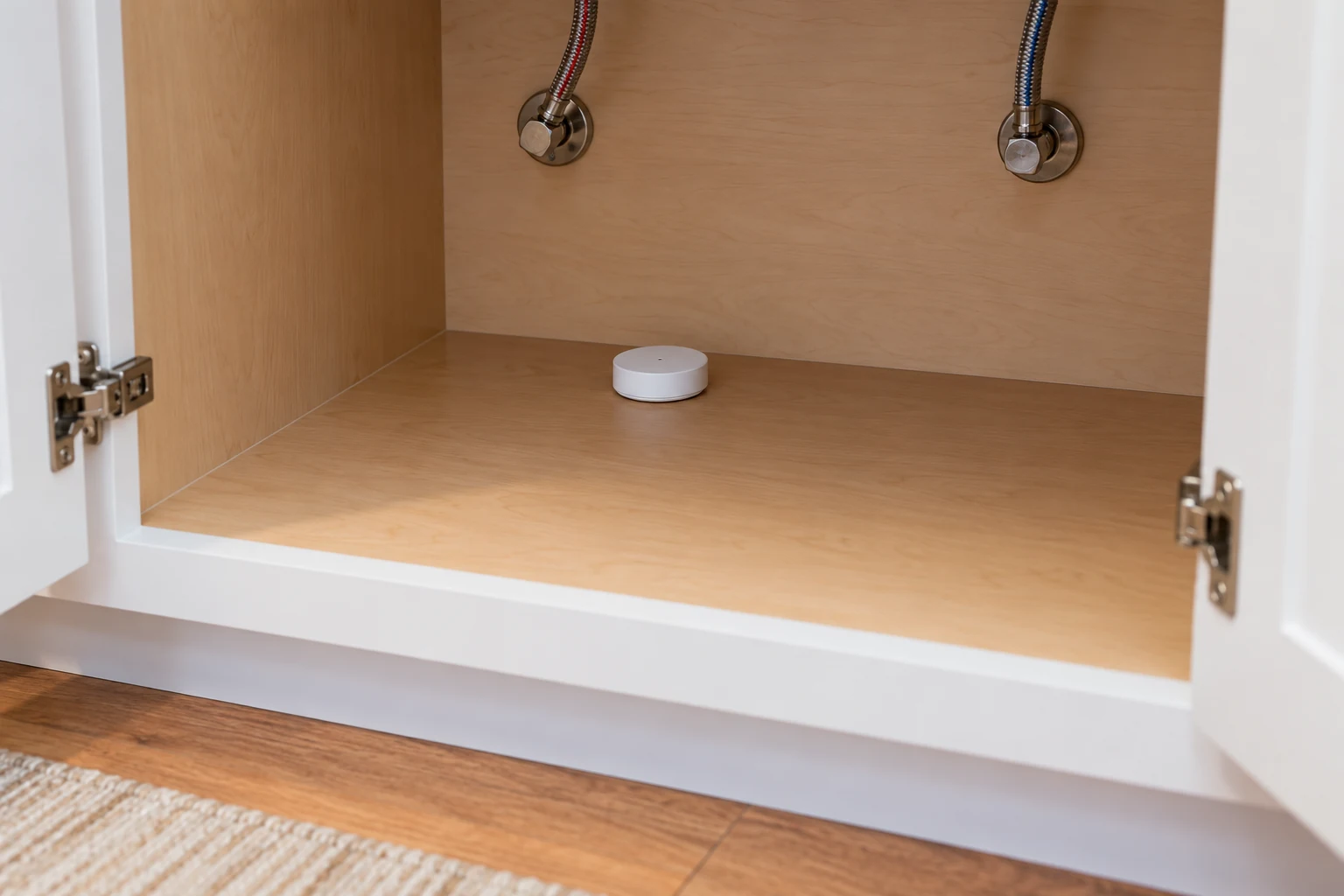
EPA WaterSense’s home-maintenance guidance recommends watching for faucet drips and moisture at connections beneath sinks. It also describes a toilet check: put a small amount of food coloring or a dye tablet in the tank, wait 10 minutes without flushing, and look for color in the bowl. Flush afterward to avoid staining. A positive result identifies leakage into the bowl; the correct repair still depends on the toilet.
Prevent debris from becoming a drain problem
Use suitable strainers where hair and food debris collect, and empty them into the appropriate waste stream. Keep grease and food scraps out of drains rather than treating the disposal as permission to send everything through the pipe.
Seattle Public Utilities says to flush only human waste and toilet paper, including avoiding wipes marketed as flushable. A convenient bathroom trash bin makes that habit easier to maintain.
For a repeatedly slow fixture, record how often it happens and what else is affected. A local obstruction, shared drain problem, and sewer issue need different responses. Repeatedly adding a household mixture or drain chemical does not establish the cause. Tell the plumber what products have already been used before further work.
How often should a sewer line be cleaned?
There is no single interval that this checklist can assign to every house. Ask a qualified drain professional to base the recommendation on the line’s condition, blockage history, and any inspection evidence. A known recurring root or buildup problem is different from a line with no symptoms or documented defect.
Put equipment and seasonal work on their own schedule
Water heaters, filters, softeners, pumps, and backflow equipment are not one maintenance category. Follow the exact manufacturer’s instructions and applicable service requirements. Keep the next due date tied to the model and the last completed service.
For the water heater, ask what service is appropriate for its type, water conditions, age, and history. Tank and tankless systems have different tasks. Do not begin draining an unfamiliar heater or operating safety components based only on a generic checklist. A qualified service visit can establish the correct procedure and interval.
Before freezing weather where relevant, have exposed plumbing and outdoor fixtures assessed for the local winterization needs. A hose connection, irrigation system, and pipe in an unheated space may require different arrangements. Before a long absence, check your monitoring and shutoff plan with a professional if equipment depends on a continuing water supply.
Know when a routine check becomes a repair call
Active leakage, recurring backups, damp building materials, and sudden unexplained changes deserve attention rather than waiting for the next scheduled check. If water is near electrical equipment or a sewage backup is present, keep people clear and arrange qualified help. Do not enter the hazard to complete a checklist.
When calling, give the location, timing, affected fixtures, photographs where safe, and any recent work. Distinguish an observed drop in faucet flow from measured service pressure; they are not the same observation. Clear information helps the professional decide what to inspect.
The routine is working when you can spot a new condition, explain it, and act before it becomes a familiar unresolved problem. A record of what changed and what was repaired is more useful than a long maintenance list that nobody can realistically repeat.

Ethan Miller
Ethan Miller writes about home improvement, interior design, cleaning, and everyday living at Home & Living Daily. He shares practical tips and simple ideas to help readers create more comfortable and functional homes.