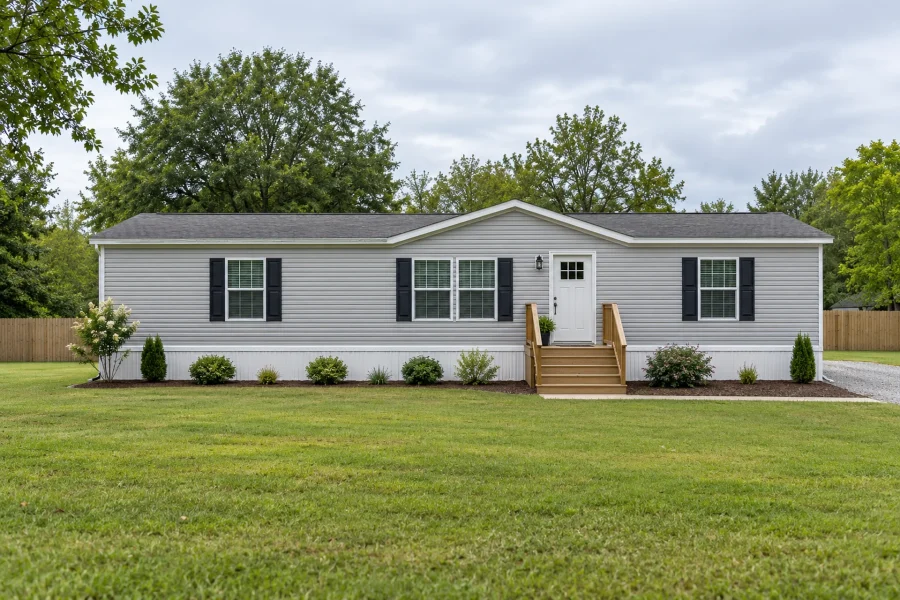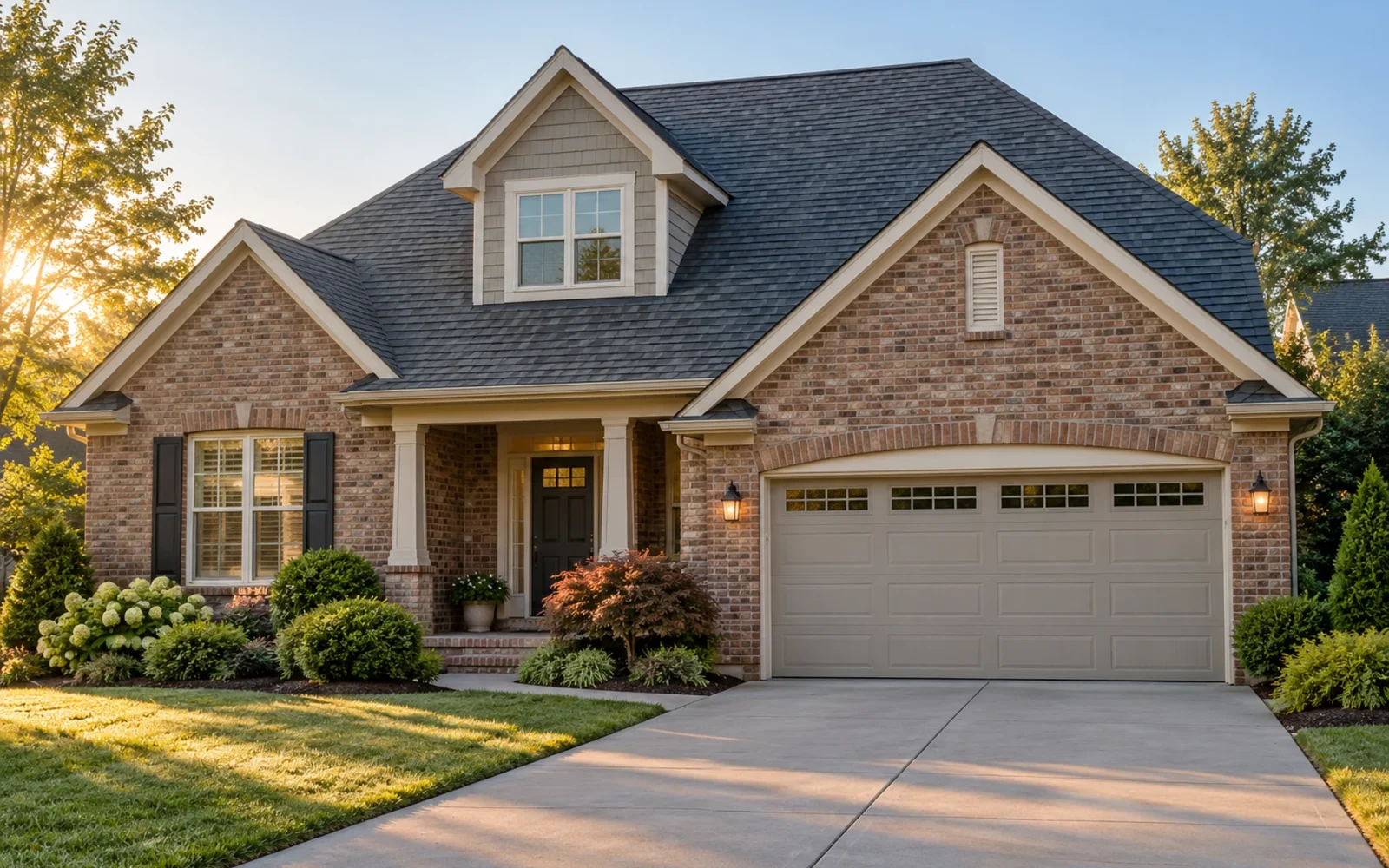
A new asphalt-shingle roof often falls somewhere from several thousand dollars into five figures, but the roof area and job scope matter more than the house’s advertised size. As one starting benchmark, Roofing Calculator’s published estimates put a 1,700-square-foot asphalt replacement at about $5,840 to $10,100. Treat that as a planning example, not a nationwide price guarantee.
Local bids can be substantially higher. A steep roof, expensive labor market, several old layers, damaged decking, or premium materials can change the total enough that an online average stops being useful. The practical goal is to establish what your measured, complete replacement will include before deciding whether a quote is high.
Start with roof area, not interior square footage
A roofer prices the surfaces being covered. A two-story house with 2,000 square feet of living space does not necessarily have a 2,000-square-foot roof. Overhangs, garages, porches, slopes, and separate roof planes also affect the measured area.
One roofing square means 100 square feet of roof surface. A measured 2,000-square-foot roof is therefore 20 squares before any ordering allowance. Waste is a separate consideration: cuts around hips, valleys, and dormers can require more purchased material than the finished surface area.
Ask whether the quote’s square count describes measured coverage or material ordered with waste included. Otherwise, a higher material quantity may look like an inflated roof measurement when the two contractors are simply reporting different things.
A useful calculation, with its limits
If an actual local installed quote is $7 per square foot for a measured 2,000-square-foot roof, the starting total is $14,000. This is arithmetic using a hypothetical bid, not an independent market estimate. Before using the number, establish whether it includes removal, disposal, flashing, permits, and any decking allowance. Adding those again to an inclusive price would overstate the budget.
The material price is only part of the replacement
Changing the roof covering changes the quote, but broad labels hide important differences. Exposed-fastener metal panels and standing-seam metal are different systems. Architectural shingles and specialty designer shingles are different purchases. Compare named products and installation scopes rather than a generic material category alone.
| Choice | What to clarify in the proposal |
|---|---|
| Asphalt shingles | Exact shingle line, underlayment, starter and ridge products, and flashing scope |
| Metal | Panel system, finish, fastening method, trim details, and treatment of penetrations |
| Tile or slate | Product weight, suitability of the supporting structure, underlayment, and specialized labor |
Regional pricing illustrates why a national calculator cannot settle an individual bid. Bay Area contractor Clean Roofing publishes an installed asphalt range of $4.50 to $8.75 per square foot, while separately identifying tear-off, access, local labor, and roof complexity as cost drivers. That is one contractor’s regional guide, not a rate to apply unchanged across the United States.
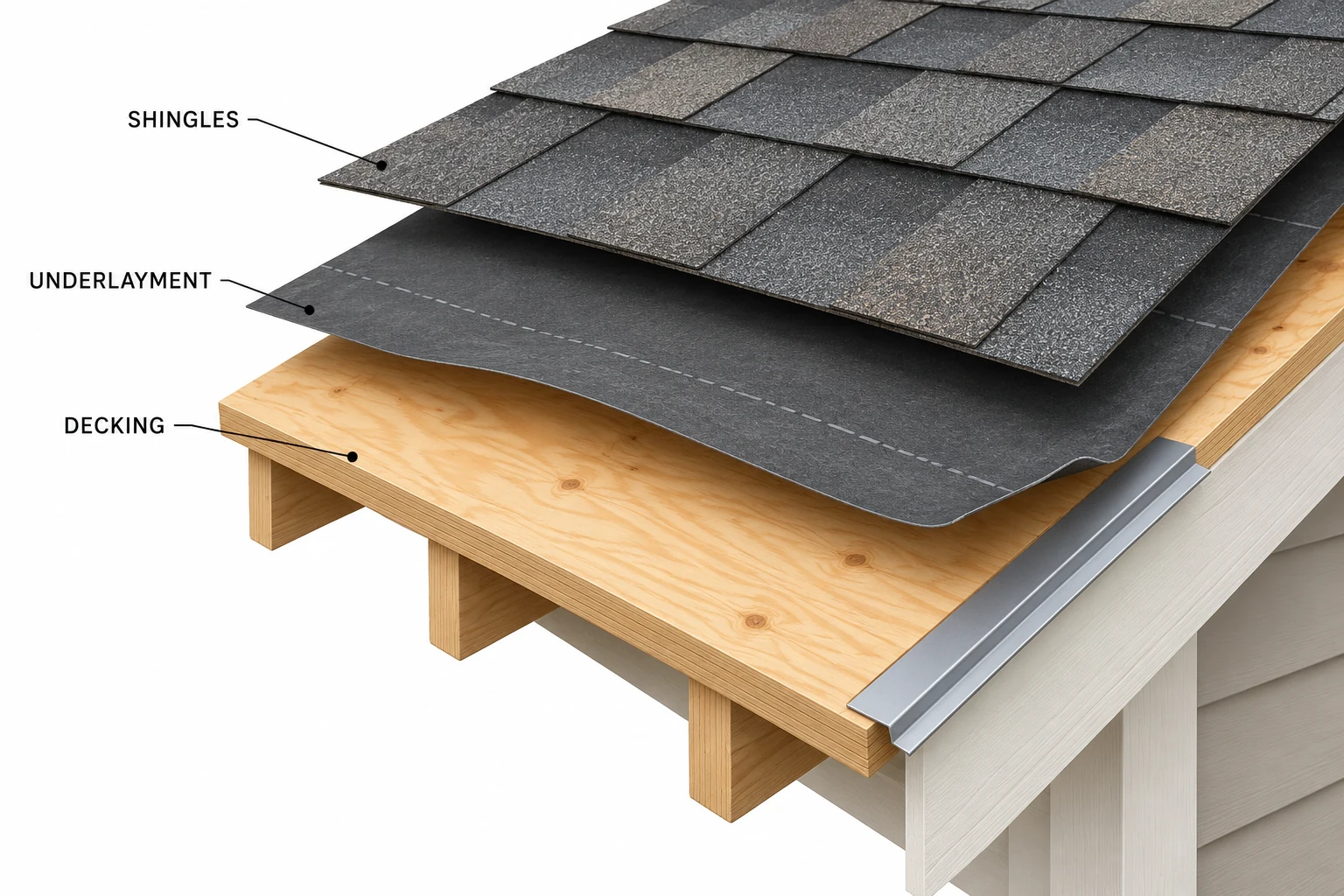
Look beyond the large shingle field. Roof-to-wall junctions, chimney flashing, pipe penetrations, valleys, and edges need a stated treatment. A proposal that says only “new shingles” leaves too much room for different assumptions about those details.
Separate known work from conditions revealed during tear-off
Some scope can be measured before work starts. Other conditions become clearer when the old covering is removed. The contract should distinguish those categories rather than hiding uncertainty inside a vague “repairs extra” clause.
Removal and disposal
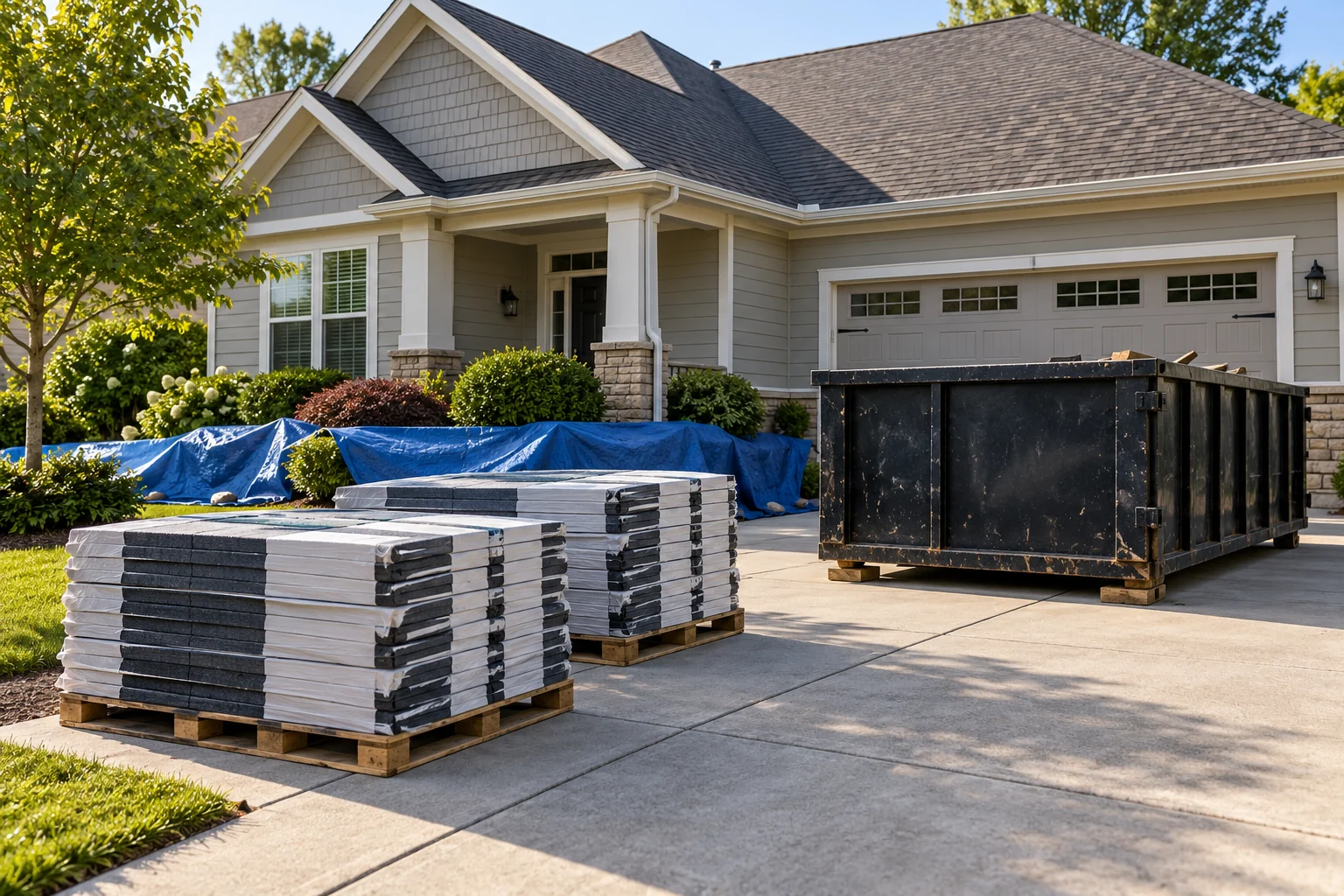
Confirm how many existing layers are included, who handles disposal, and whether the price assumes unusually heavy material. Also establish where the container will sit and how the driveway and landscaping will be protected. Removing a single shingle layer is a different scope from removing several layers or heavy tile.
Decking and hidden repairs
Ask for the amount of decking replacement included, the unit used for additional work, and the approval process. “Per sheet” pricing should identify the sheet size, material, thickness, and whether labor is included. Board decking may need a different unit. Photographs and a written change authorization help connect an extra charge to the condition actually found.
Deck replacement and structural repair also deserve separate descriptions. Replacing damaged sheathing is not the same as repairing a sagging support system. If the roof needs structural evaluation, resolve that scope instead of assuming a routine reroof price covers it.
Compare the complete bids before comparing totals
Give each contractor the same requested scope and ask them to mark exclusions. You do not need a lengthy spreadsheet; a one-page comparison can reveal whether two prices describe the same job.
- Roof and product: measured area, waste allowance, manufacturer, product line, and color.
- Removal and assembly: old layers, disposal, underlayment, required barriers, edges, flashing, penetrations, and ventilation work.
- Conditional charges: decking quantities, repair rates, and how changes receive approval.
- Other trades: responsibility for solar equipment, skylights, gutters, or chimney work when applicable.
- Completion: permits where required, inspections, property protection, cleanup, payment milestones, and written warranty documents.
A gutter replacement should not silently appear in one bid and be absent from another. The same applies to solar removal and reinstallation: identify who performs it, what the roofing contractor includes, and how the work is coordinated. An apparently cheaper roof may simply leave a separate invoice for later.
Where to reduce the budget without obscuring the work
Request a base proposal and clearly priced alternatives. Changing a premium appearance option may be a straightforward saving; deleting unspecified flashing or substrate work is harder to evaluate. Ask the contractor to explain what each alternative changes in the finished system and warranty.
Keep the material warranty and the contractor’s workmanship warranty separate. Ask who responds to a leak, what coverage requires registration, and which documents you receive at completion. A longer headline warranty does not make two installation scopes equivalent.
Is $30,000 too much for a roof?
The total alone cannot answer that. It might be difficult to justify for one small, simple asphalt job and quite plausible for a large, steep, complex roof or a premium system. First compare measured area, material, access, removal, and repairs. If equivalent local bids still differ sharply, ask the higher bidder to identify the specific scope or service behind the difference.
A useful roofing budget leaves you knowing both the agreed price and what could change it. Choose the proposal whose quantities, details, and responsibilities you can understand, then keep a separate reserve for documented concealed work rather than treating every possible extra as an automatic charge.

Ethan Miller
Ethan Miller writes about home improvement, interior design, cleaning, and everyday living at Home & Living Daily. He shares practical tips and simple ideas to help readers create more comfortable and functional homes.