
Most financed home purchases close about 30 to 60 days after the buyer and seller sign the purchase contract. The exact date depends on underwriting, the appraisal, title work, inspections, how quickly documents are provided, and the closing date agreed to in the contract. A cash purchase can close faster because there is no mortgage underwriting, but title, contract, and local requirements still take time.
This clock starts when the home is under contract—not when you begin looking at houses. The broader process, from getting financially ready to finding a home, can take months. If you are planning a move or lease, use the contract’s closing date as a target, not a guarantee, and ask your agent and lender what could affect it.
How long does it take to close on a house? A typical timeline
For a purchase with a mortgage, plan on roughly four to eight weeks from a signed purchase contract to closing. Recent estimates vary: published industry reports and lender explainers put typical transactions around a month to six weeks, while the wider 30–60-day range allows for differences in loan type, local process, and complications. These are planning ranges, not promises about a particular transaction.
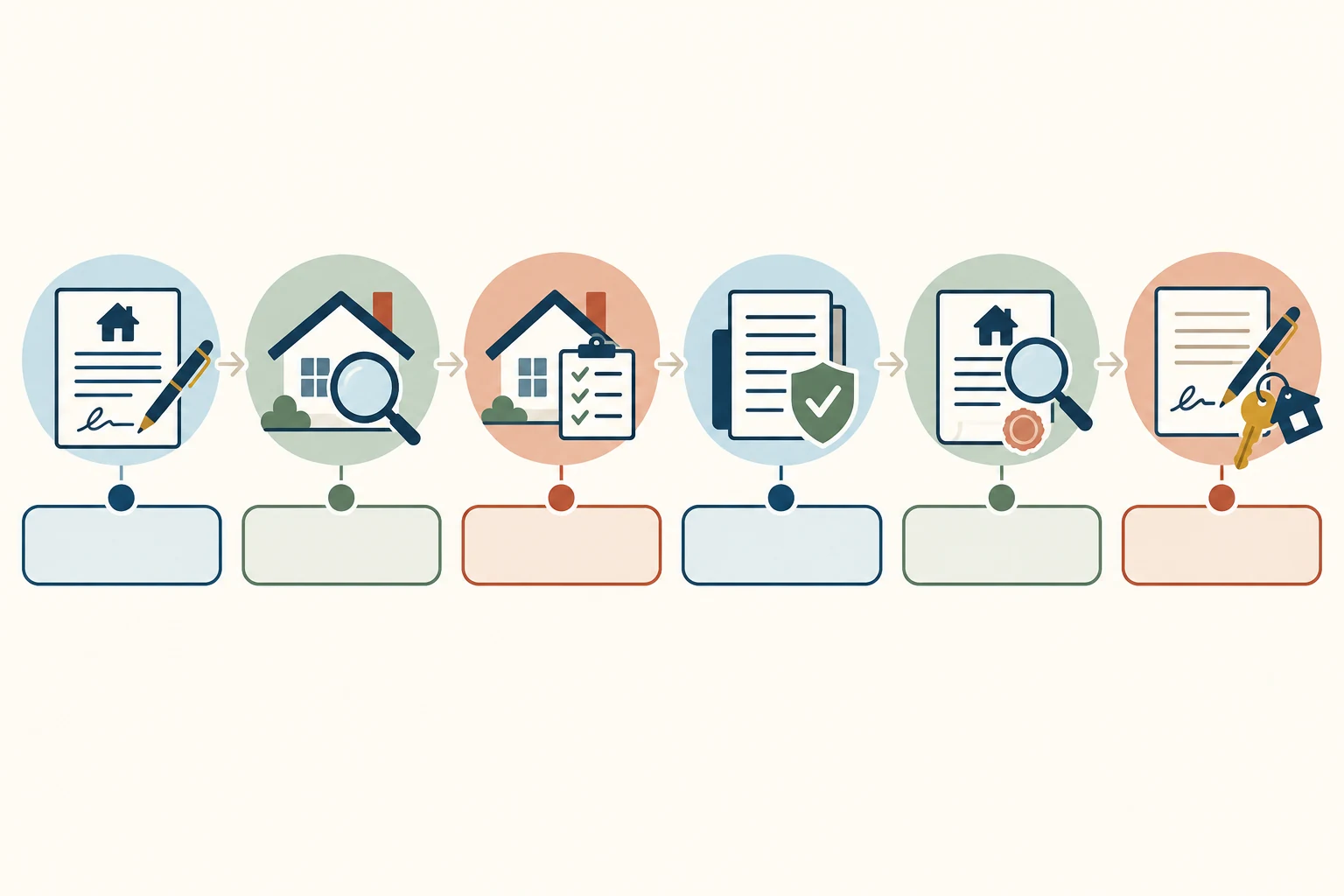
| Stage | Common timing | What is happening |
|---|---|---|
| Contract and loan application | First few days | Buyer and seller sign the agreement; buyer submits a complete mortgage application and lender disclosures begin. |
| Inspection and appraisal | Often during the first 1–3 weeks | Buyer evaluates the home; lender orders an appraisal to assess value for the loan. |
| Underwriting and title work | Several weeks, often overlapping | Lender verifies finances and property details; title or settlement professionals check ownership records and prepare the transfer. |
| Final approval and Closing Disclosure | Before the scheduled closing | Buyer reviews final loan terms and cash needed. For most covered mortgage loans, the Closing Disclosure must be received at least three business days before consummation. |
| Signing and funding | Scheduled contract date, if ready | Parties sign required documents, funds are distributed, and ownership transfer is completed under local practice. |
Some tasks overlap, and “business days” matter for lender and disclosure deadlines. Weekends, holidays, a delayed appointment, or a document that needs correction can shift the calendar date even when the number of workdays seems small.
What happens between an accepted offer and closing?
1. The contract starts the clock
Once both parties sign the purchase agreement, it sets the target closing date and deadlines for items such as earnest money, inspections, financing, and contingencies. The exact deadlines are contract-specific, so refer to your signed agreement and ask your real estate professional to explain any date you are unsure about.
2. The lender processes the mortgage
The buyer completes the formal application and sends requested documents. The lender verifies income, assets, debts, employment, and other details, then underwriters review the file. Preapproval helps prepare, but it is not final approval: the lender still evaluates the borrower and the property for this specific transaction.
3. Inspection and appraisal address different questions
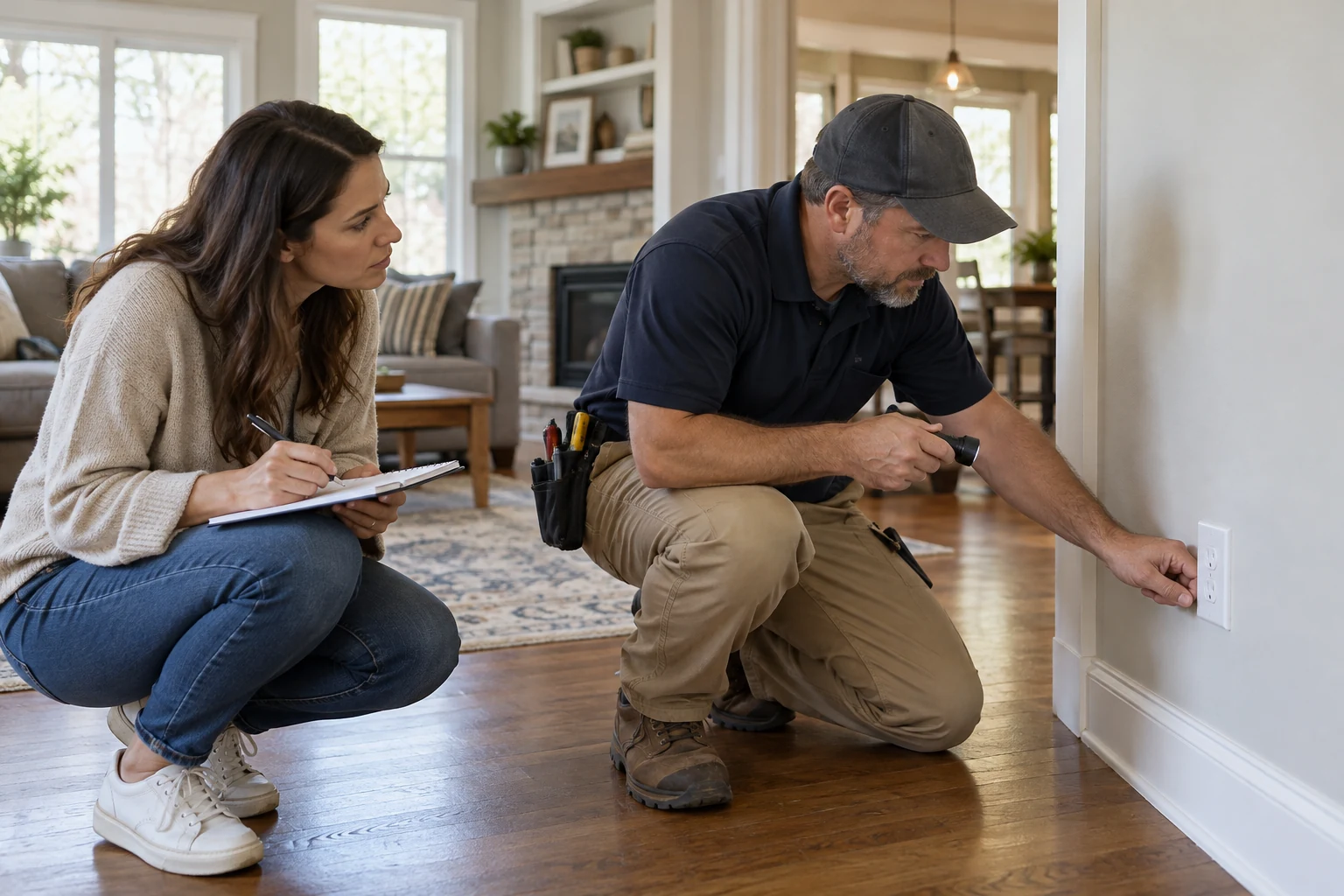
A home inspection helps the buyer understand the property’s condition and may lead to repair discussions under the contract. An appraisal estimates market value for the lender’s collateral review. They are separate processes; one does not replace the other. Scheduling either promptly can leave more room to respond if a concern arises.
4. Title and settlement work prepare the transfer
A title company, escrow or settlement agent, or attorney—depending on the state and transaction—checks records, coordinates required documents, and prepares the closing. A title issue, missing payoff, or unresolved lien can require research and add time.
5. Final review leads to the closing appointment
When the lender is ready, it issues final figures and coordinates funding. For most covered mortgage loans, the buyer must receive the Closing Disclosure at least three business days before consummation. Review the loan amount, rate, monthly payment, closing costs, and cash due; contact the lender promptly if something is unclear. The CFPB explains the disclosure and provides a Closing Disclosure guide.

What can make closing take longer?
- Incomplete or changing financial documents: missing statements, unexplained deposits, or new information can prompt follow-up review.
- Appraisal issues: scheduling delays, a low valuation, or questions about property condition can require more work or negotiation.
- Inspection findings or repair negotiations: parties may need time to agree on remedies within the contract’s terms.
- Title complications: ownership records, liens, probate, or payoff information may need correction or additional review.
- Loan program and property details: lender requirements vary, and some property or program conditions require extra documentation.
- Third-party coordination: appraisers, insurers, title professionals, attorneys, sellers, and lenders all have scheduling and document steps.
- Contract changes: a negotiated extension or amended terms can move the agreed date.
No single step explains every delay, and a slower timeline does not automatically mean the loan will be denied. Ask the lender or settlement contact what item is outstanding, who owns the next step, and whether the contractual closing date is still realistic.
How can you help closing stay on track?
- Submit complete documents quickly. Upload requested pay statements, tax records, bank statements, and explanations through the lender’s secure channel.
- Schedule early. Coordinate the inspection, appraisal access, insurance, and title or settlement appointments as soon as the transaction allows.
- Keep your finances steady. Before changing jobs, taking on new debt, moving large sums, or making a major purchase, ask the lender how it could affect underwriting.
- Answer follow-up questions promptly. A quick response does not guarantee approval, but it can prevent avoidable waiting for information.
- Review disclosures and verify payment instructions. Read documents before signing. Confirm wire instructions using a trusted phone number already on file; do not rely on last-minute changes sent by email.
- Build a little schedule flexibility. Avoid arranging a nonrefundable move or ending housing before the closing date is secure and your agent confirms possession timing.
For general preparation, use the CFPB’s home closing checklist. Your contract, lender, and local closing professional remain the sources for transaction-specific dates.
How long does closing day itself take?
The signing appointment is only the final part of the larger timeline. It may take around an hour or longer depending on the documents, questions, and local process. In some states or transactions, parties sign separately, electronically, or through a settlement professional rather than sitting together at one table. After documents are signed, the lender and settlement agent still need to complete funding and record or otherwise finalize the transfer according to local practice. Ask when keys and possession are actually available; signing time and move-in time are not always identical.

How long does it take to close with cash?
A cash purchase may close in days to a few weeks when both parties are ready because it skips mortgage underwriting and lender appraisal requirements. It still needs a valid contract, title work, funds verification, and any inspections or other due diligence the buyer chooses. The date depends on the agreement and local process; “cash” does not make every closing immediate.
Frequently asked questions
Can you close on a house in 30 days?
Yes. A 30-day closing is common in many financed transactions when the contract, lender, appraisal, title work, and documentation stay on schedule. The lender should confirm whether the timeline is feasible for your specific file.
Can you close in two weeks?
It may be possible for a cash buyer or an unusually well-prepared financed purchase, but it is a tight schedule and depends on the lender, appraisal, title, disclosure timing, and contract. Do not assume a two-week close until the parties responsible for the steps confirm it.
Does the closing timeline start when my offer is accepted?
Usually, the practical timeline starts when the purchase agreement is fully signed and the home is under contract. Your agreement determines the operative dates and deadlines.
Does the three-day Closing Disclosure rule mean closing always takes three days after I get it?
No. For most covered mortgage transactions, the buyer must receive the Closing Disclosure at least three business days before consummation. This is a minimum waiting period within a longer process, not a full estimate of how long a purchase takes. Certain changes to key loan terms may require a corrected disclosure and a new waiting period. Ask your lender how the rule applies to your loan.
What should I do if my closing date is delayed?
Ask your agent, lender, and closing professional what is causing the delay, what remains outstanding, and what date is now realistic. Review any contract extension or amendment with the appropriate professional before agreeing to it.
Plan around the contract date, with room for changes
For a financed purchase, use 30–60 days after contract as a practical planning window, then refine it with your lender and closing team. The best estimate comes from the actual file: loan type, appraisal and title progress, remaining documents, and local settlement steps. Keep communication moving, review disclosures carefully, and leave flexibility in your move plan until the closing team confirms funding and possession.
Sources and further reading
- Consumer Financial Protection Bureau: Closing Disclosure guide
- Consumer Financial Protection Bureau: Close on your mortgage
- Consumer Financial Protection Bureau: What is a mortgage closing?
- Rocket Mortgage: How long does it take to close on a house?
- NerdWallet: How long does it take to buy a house?

Ethan Miller
Ethan Miller writes about home improvement, interior design, cleaning, and everyday living at Home & Living Daily. He shares practical tips and simple ideas to help readers create more comfortable and functional homes.